
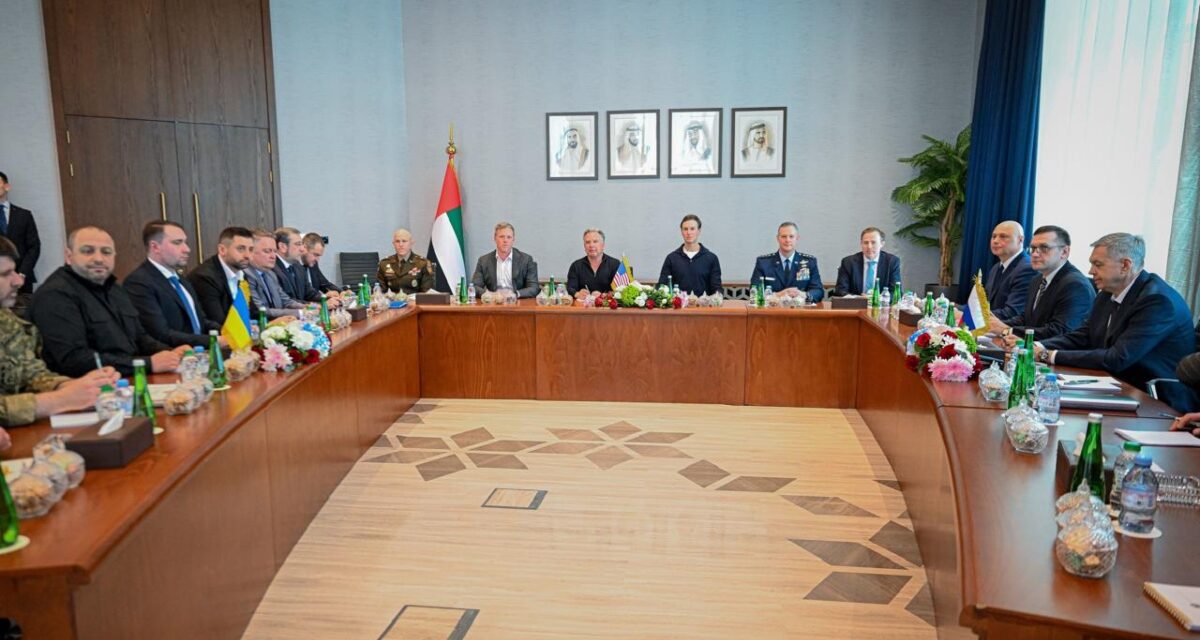
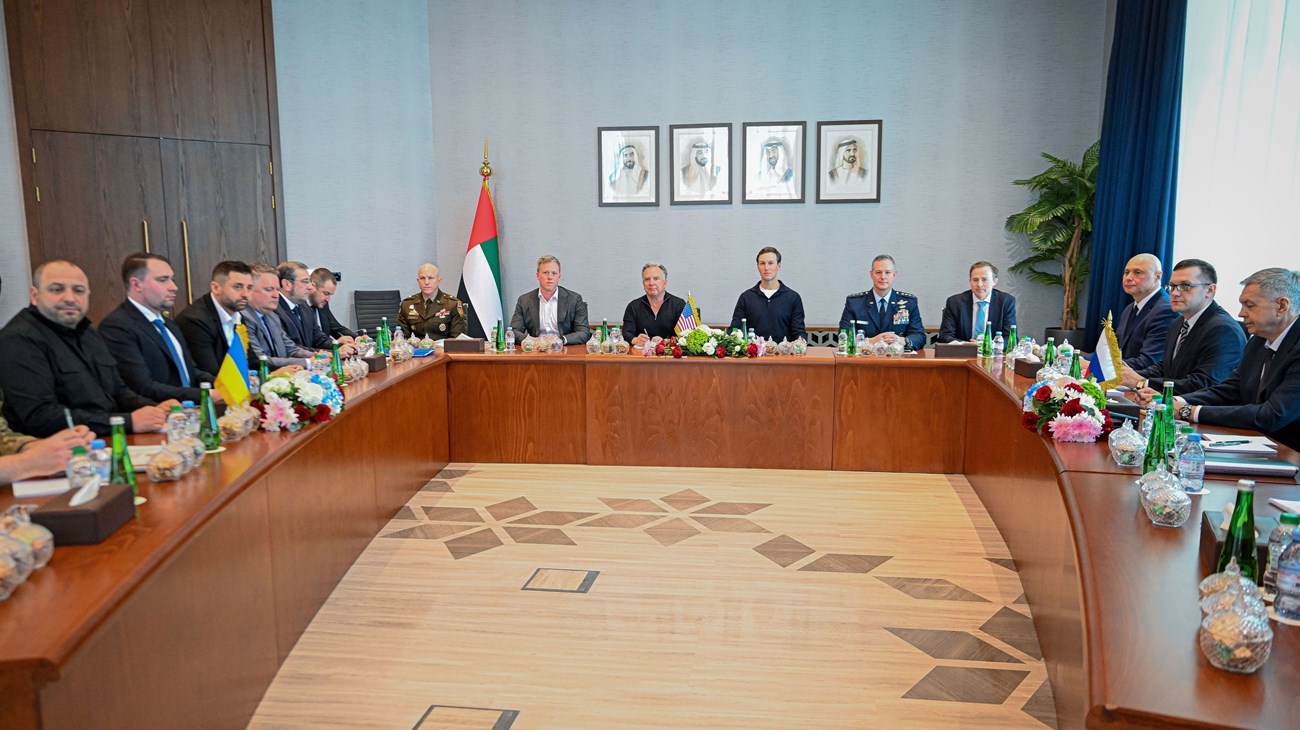
US and Ukrainian negotiators have discussed a March target for a peace deal on ending Russia's war against Ukraine, with elections and a referendum possibly as early as May, Reuters reported citing multiple sources. The timeline has drawn widespread skepticism—including from people directly involved in the talks—as none of the fundamental disputes that have blocked progress for months have moved.
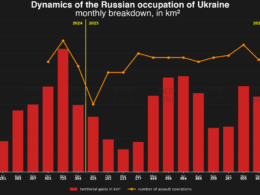
Should negotiators somehow agree a deal, Ukrainian voters could still reject the terms. Russia occupies roughly 20% of Ukraine's territory, including Crimea and parts of Ukraine's south and east. Since early 2023, Russia managed to seize only about 1.3% of Ukrainian territory. Polls show a notable majority of Ukrainians oppose territorial concessions even in exchange for Western security guarantees.
Washington's clock is ticking—but not because of the war
According to Reuters sources, the US negotiating team—special envoy Steve Witkoff and US President Donald Trump's son-in-law Jared Kushner—told Ukrainian counterparts in Abu Dhabi and Miami that Trump will likely shift his attention to domestic politics ahead of November's congressional midterms. Two sources said US negotiators explicitly warned that the president's bandwidth for deal-making is shrinking.
The second round of US-brokered talks wrapped up on 5 February in Abu Dhabi without any breakthroughs. Zelenskyy said the next trilateral meeting would likely take place soon in the US.
A May vote that no one knows how to organize
Two sources told Reuters that US and Ukrainian officials discussed holding Ukraine's national elections and a referendum simultaneously—possibly in May. Voters would choose new leaders and decide whether to accept whatever deal emerges.
Several sources called that timeline "fanciful," according to Reuters. Ukraine's election authorities have estimated that organizing an election takes roughly six months under current conditions.
Ukrainian law bans elections during martial law. Holding one would require legislative changes, enormous funding, and a solution for millions of displaced voters, soldiers, and citizens in Russian-occupied territory.
Kyiv insists on a ceasefire throughout any voting campaign—and points out that Russia has a track record of violating agreed-upon halts in fighting.
Trending Now
"Kyiv's position is that nothing can be agreed until the security guarantees for Ukraine from the United States and partners are in place," one source said.
Washington and Moscow to reopen military communication channel shut down before Russian invasion of Ukraine
One Ukrainian official said Zelenskyy is open to elections—a Russian demand Washington has repeated since Trump took office.
Zelenskyy's approval has declined since 2022 but remains well above 50%. The official told Reuters the President is confident he would win.
The same two problems that have blocked talks for months
Russia’s demand for full control of Donetsk Oblast remains the key barrier. Ukraine still holds a large part of the region, and Russia has not broken through the so-called Fortress Belt. Kyiv rejects the demand but is open to exploring options like a demilitarized zone or free-trade area.
Ukraine's Zaporizhzhia Nuclear Power Plant, under Russian occupation, remains another major point of contention. Washington earlier proposed its control and shared electricity. Moscow refused, insisting on sole control and offering Ukraine cheap power, which Kyiv predictably rejects.