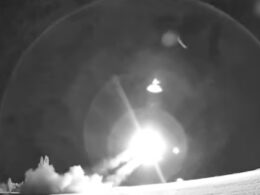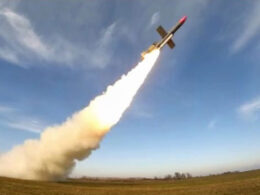
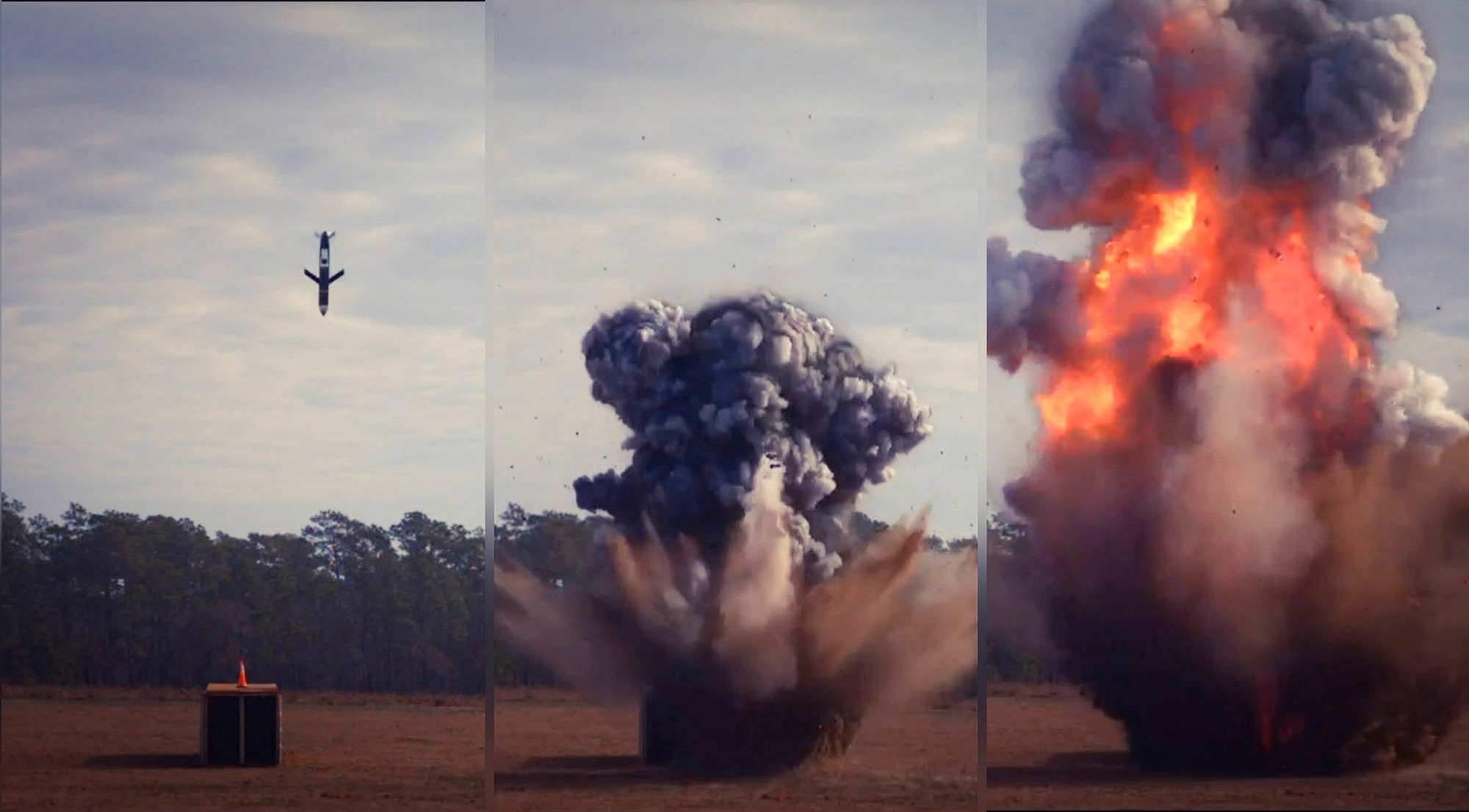
The US Air Force completed testing of a cruise missile developed specifically for Ukraine under the ERAM program. Tests with a live warhead took place on 21 January 2026, at the Eglin Air Force Base range in Florida, according to the official website of the service.
"The test allowed the collection of critically important data for developing a new, cost-effective and long-range strike system," the air base press office reported. The project team confirmed complete warhead detonation and high-precision impact on target.
Released photos show the moment of impact and detonation of the warhead weighing approximately 227 kilograms. Less than 16 months passed from signing the first contract to testing — speed of implementation became one of the program's priorities.
According to the Air Force Armaments Working Group Program Office, production of ERAM missiles for Ukraine began in spring 2025. Delivery of the first batch of 840 units is scheduled for October 2026.
The Defense Security Cooperation Agency confirmed to the US Congress the possibility of deploying these missiles on American F-16 fighters and Soviet MiG-29s.
The US State Department approved the sale to Ukraine of up to 3,550 ERAM missiles with a total value of $825 million in late August 2025. "This proposed sale will contribute to the foreign policy and national security objectives of the United States by improving the security of a partner country that is a force for political stability and economic progress in Europe," the official State Department press release reported.
Funding will be provided by Denmark, the Netherlands, and Norway, as well as foreign military assistance from the United States. The main contractors are Zone 5 Technologies of California and CoAspire of Virginia.
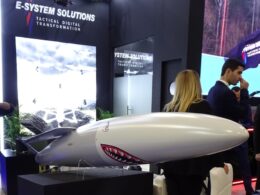
CoAspire developed the Rapidly Adaptable Affordable Cruise (RAACM) missile weighing 250 kilograms with a combined-effect warhead. Zone 5 Technologies created Rusty Dagger, whose technical specifications are not currently disclosed but should be close to RAACM due to similar technical requirements.
Both munitions meet program requirements: range of approximately 400 kilometers, speed from 0.6 Mach, accuracy of plus-minus 10 meters, ability to operate in electronic warfare conditions. The program provides for production capacity of up to 1,000 units per year.