

Two Ukrainian men have been arrested for allegedly aiding Russian intelligence by scouting the aftermath of a recent intermediate-range ballistic missile (IRBM) strike on Lviv, according to the Security Service of Ukraine (SBU). Investigators say the men gathered and relayed visual and geolocation data to Russia’s military intelligence service, the GUR, after a rare strike involving the nuclear-capable Oreshnik missile.
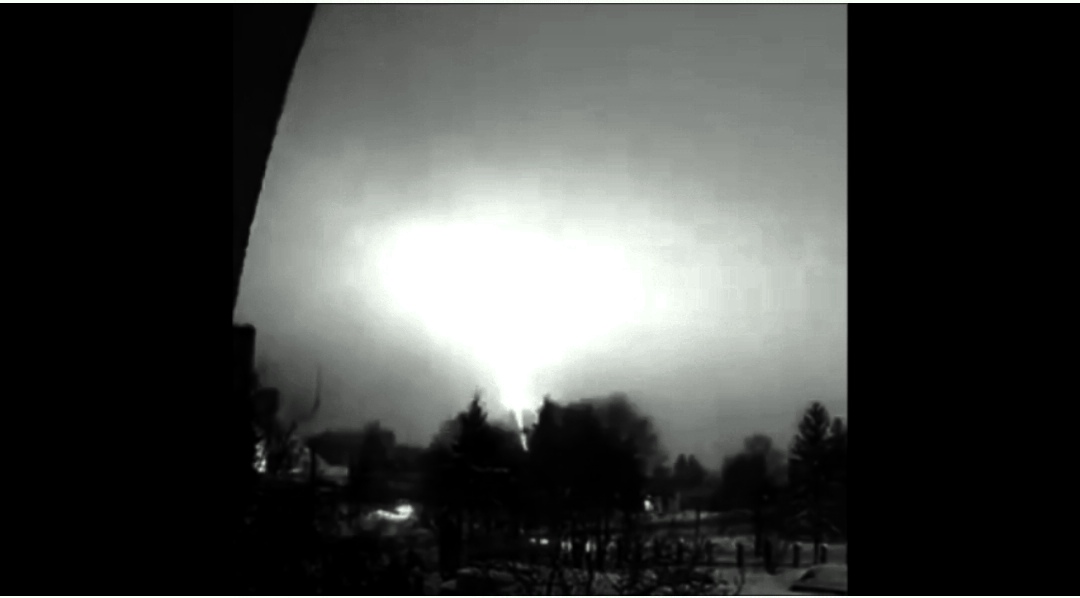
Russia attacked Lviv with a nuclear-capable Oreshnik missile overnight on 8 January. The missile was equipped with a kinetic warhead and targeted civilian infrastructure. It was the second Russian strike on Ukraine using this type of missile since 2022.
Alleged reconnaissance for Russia’s GUR
The SBU said on 22 January that both suspects were detained in connection with reconnaissance efforts following a Russian Oreshnik IRBM attack on Lviv. According to the investigation, a 64-year-old man from Mukachevo was remotely recruited by a Russian special service, and then involved his 22-year-old unemployed neighbor to conduct field reconnaissance.

Russia fires nuclear-capable Oreshnik after receiving security guarantees plan for Ukraine. But its warhead less effective than standard bomb
The younger man allegedly traveled from Zakarpattia to Lviv oblast shortly after the strike and began surveying locations around the impact zone. He reportedly took photographs and marked coordinates using Google Maps, transmitting the collected data to the older suspect in Mukachevo. The elder man then directly reported this information to his Russian handler, according to the SBU.
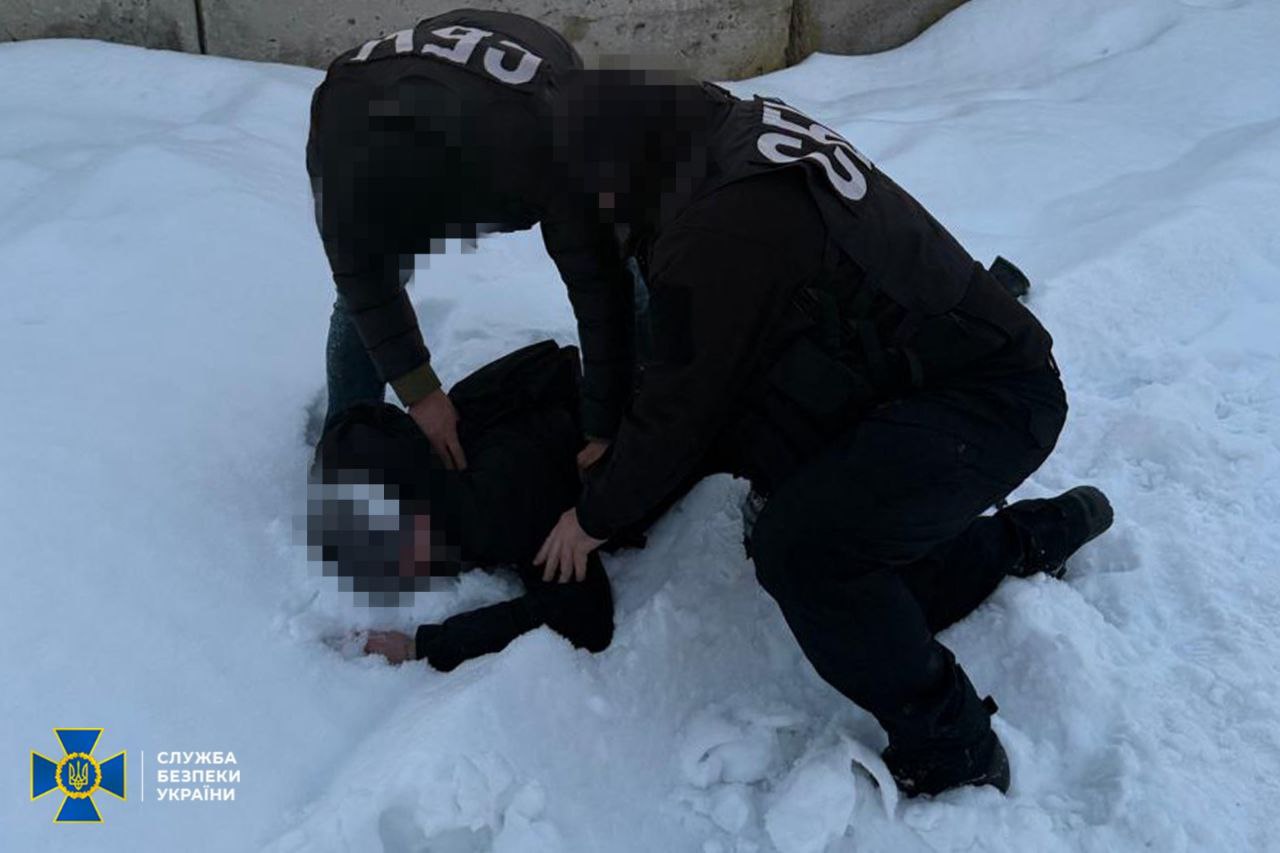
Arrests and intercepted communications
The SBU stated that both suspects were arrested simultaneously — one in Mukachevo and the other “caught red-handed” in Lviv oblast while continuing reconnaissance near the site of the Russian missile strike. During searches, law enforcement reportedly found electronic devices containing evidence of their cooperation with the Russian special service. The SBU also intercepted phone conversations between one of the suspects and their Russian contact, and has included the audio in the criminal case file.
“Choice of target was deliberate”: Russian nuclear-capable Oreshnik destroys collection of Lenin’s works in Lviv Oblast, says expert
Preliminary findings suggest Russian intelligence sought detailed information about the destruction caused by the strike in order to use it in psychological operations and in planning future attacks on the region, the SBU claimed.
Both men have been formally notified of suspicion under Part 2 of Article 111 of the Ukrainian Criminal Code — high treason committed under martial law. If convicted, they face life imprisonment with confiscation of property. As of now, both remain in custody.