
A failed arson attempt in Lithuania has led to the prosecution of six foreign nationals accused of plotting terrorist attacks against a defense supplier aiding Ukraine, according to Lithuanian police. Authorities say the suspects acted under the direction of Russian military intelligence (GRU) to sabotage equipment destined for Ukraine’s armed forces. Lithuanian police believe the goal was to intimidate societies, disrupt aid to Ukraine, and destabilize Western institutions — all in service of Russian strategic objectives.
Investigators say the same network may have carried out similar operations in Czechia, Romania, and Poland. A joint investigation team coordinated by Eurojust and involving Europol is examining the group’s activities across Europe.
Two arson attempts targeting Ukraine-bound equipment
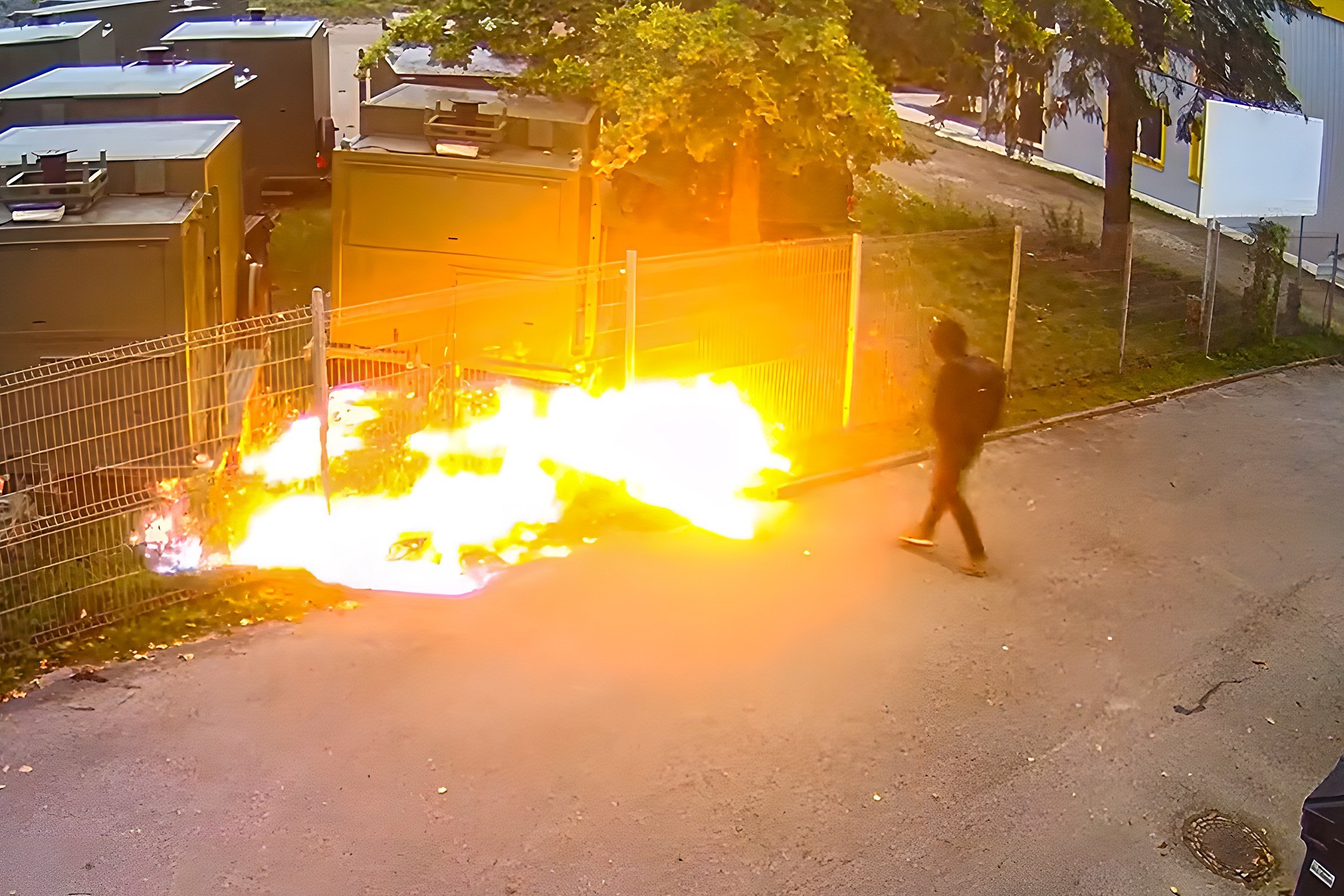
Lithuania's police reported that the investigation began after two attempted arson attacks in Šiauliai in September 2024. The attackers targeted TVC Solutions, a Lithuanian company that manufactures mobile radio spectrum analysis stations used by Ukrainian forces. Police say the first attempt on 17 September failed when two suspects — a Spanish citizen and a dual Spanish-Colombian national — fled the scene after being startled by passersby. They were later detained in Riga — the capital of nearby Latvia — and extradited to Lithuania.
A second attempt took place on 22 September. This time, a Russian citizen and a Belarusian citizen allegedly traveled from Spain to ignite stored equipment at the facility. Although they believed the arson succeeded, the matériel failed to ignite, causing no damage.
Suspected GRU links and coordinated arrests
Lithuanian authorities say the attacks were coordinated by Cuban and Colombian citizens residing in Russia who are suspected of links to the GRU, Russia’s military intelligence agency. A Cuban citizen, believed to have assessed the site after the second attempt, was detained in Šiauliai. Another Colombian suspect, allegedly responsible for funding and coordination, was arrested in Spain and extradited in May 2025.
The Lithuanian Criminal Code provides for up to 15 years in prison for involvement in an organized terrorist group. The charges were formally brought to court as of 16 January 2026.