
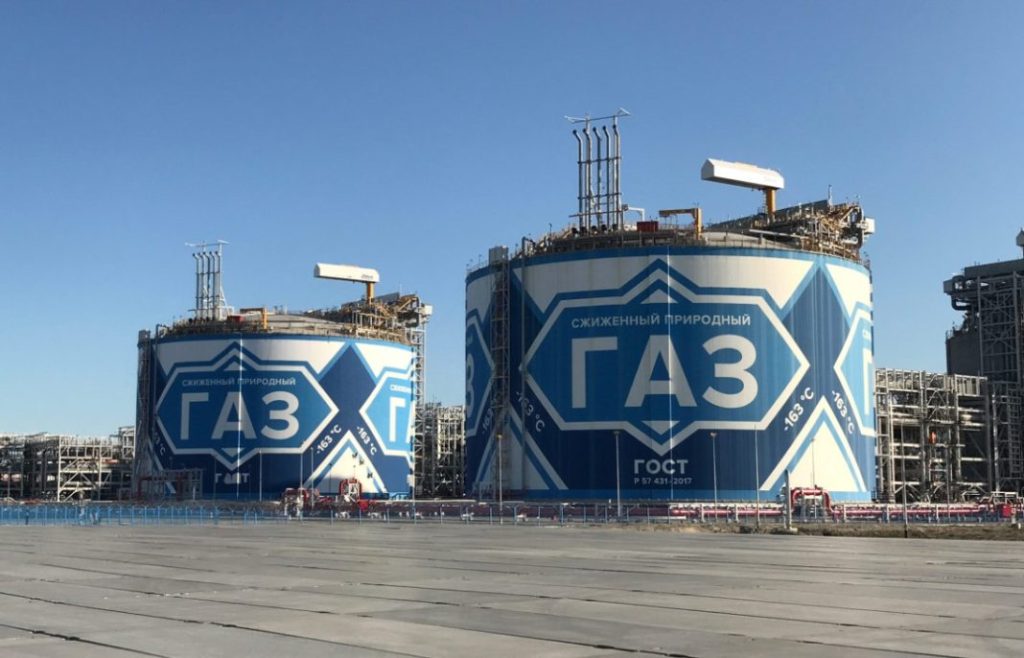
Belgium has seen a sharp increase in Russian gas flowing through its ports since the EU imposed a ban on LNG transit to non-European destinations, according to reporting from Belga, Belgium’s national news agency.
While the transit ban was designed to limit Russian LNG exports in response to Russia's full-scale invasion of Ukraine, it has reportedly redirected more gas into Europe instead.
Zeebrugge imports up more than two-thirds
Net imports of Russian gas via Zeebrugge, a major Belgian North Sea port, have risen by more than two-thirds compared with previous years.
The surge is linked to the EU’s 14th sanctions package, which came into effect on 27 March and prohibited the transit of Russian liquefied natural gas (LNG) to destinations outside Europe.
With Asian markets blocked, Russian suppliers are redirecting gas into the European grid, ultimately increasing Belgian imports.
Novatek's Yamal deliveries nearly double
Between March and October, Novatek, Russia’s largest independent gas producer, via its Arctic LNG project Yamal LNG, delivered 35.2 terawatt hours of LNG to Belgium.
By comparison, over the previous three years, roughly 20 terawatt hours of Russian LNG were delivered to the Belgian grid during the same period.
Full import ban still two years away
The transit ban is intended as a first step toward a full EU ban on Russian gas imports, which was agreed upon earlier this month by member states and the European Parliament, but will not take effect until 2027.