

Small teams of Russian soldiers, some dressed as civilians, are slipping through Ukrainian lines at night. They pinpoint weak spots, hide in buildings, eliminate defenders, and hold positions until armor arrives.
Russia has relied on these Diversionary Reconnaissance Groups—DRGs—since spring 2025. They have helped Russia gain footholds in Kupiansk and encircle the key fortress city of Pokrovsk.
Ukrainian forces are struggling to contain these small, clandestine Russian units from breaching their defenses and exploiting these breaches for tactical gains.
If the defenders hope to stop them, they will need to address their manpower shortage, make more anti-drone warfare available to frontline troops, and improve delegation so that commanders in the field can react to breaches faster.
With the aid of its allies, and by making the right decisions, Kyiv can and must achieve all of the above
The anatomy of a DRG unit
Russian DRG teams are staffed with three to ten troops. Most are incorporated into special operations forces or other specialized infantry, such as the marines.
Their job: conduct sabotage, breach weakly defended sectors, gather intelligence, and hold key sectors for potential breakthroughs.
Russia’s flag officers deploy DRGs during the night or in inclement weather. By using meteorological conditions to their advantage, the reconnaissance groups maneuver to bypass Ukraine’s FPV drones and artillery.
Once the DRG units reach a key objective, they lie low, while trying to eliminate any Ukrainian troops or civilians in the area that could detect them. This tactic has been seen in Pokrovsk, where Russian infiltrators killed several civilians in October 2025.
Once the reconnaissance groups establish a bridgehead, Russian forces gradually bring in heavy equipment and armor before Ukraine’s reinforcements can arrive to plug the gap in the defense.
DRGs helped the Russians set up in Kupiansk, Pokrovsk
With Moscow now facing extreme austerity measures to keep the wartime economy afloat, Russian autocrat Vladimir Putin wants to capture as much territory as possible before any economic upheaval comes home.
As a result, DRGs have been observed along several critical fronts of the battlefield, where Russia aims to apply maximum pressure in the autumn and winter.
These areas include Kupiansk, Lyman, Dobropillia, Pokrovsk in Donetsk Oblast, and Pokrovske in Zaporizhzhia Oblast. Beginning in early 2025, Russian DRGs gradually gained a foothold beyond the Oskil River to launch the Kupiansk offensive.
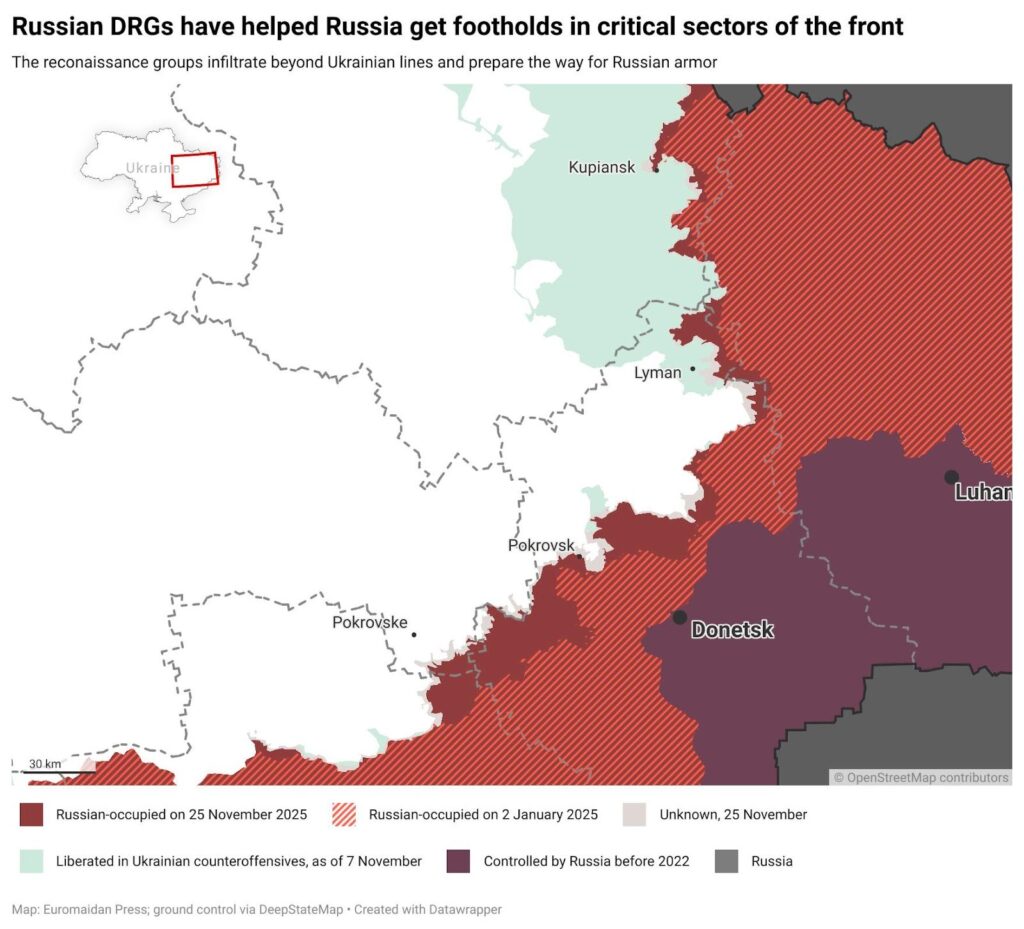
After infiltrating Kupiansk through blind spots in the line, Russian teams of three to five operators apiece disguised themselves in civilian clothing, concealed their weapons, and hid inside civilian buildings. They then set about eliminating Ukrainian defenders.
By slowly sneaking DRG operatives into Kupiansk, Russian units created a localized bridgehead, allowing Russia to gain a major foothold in the city.
Using similar tactics, DRGs have also helped Russia establish a presence in the nearby city of Pokrovsk.
The Pokrovsk offensive has been deadly for the Russians, who have lost over 600 tanks, hundreds of infantry fighting vehicles, and 100,000 troops, both killed and wounded, trying to take the city.
But now, thanks to both DRGs and the proliferation of fiber-optic drones hindering Ukrainians’ movements, the situation in Pokrovsk turned: only a 1-km-wide escape route remains for the defenders, who face encirclement.
Trending Now
Azov shows Ukraine can stop the DRGs
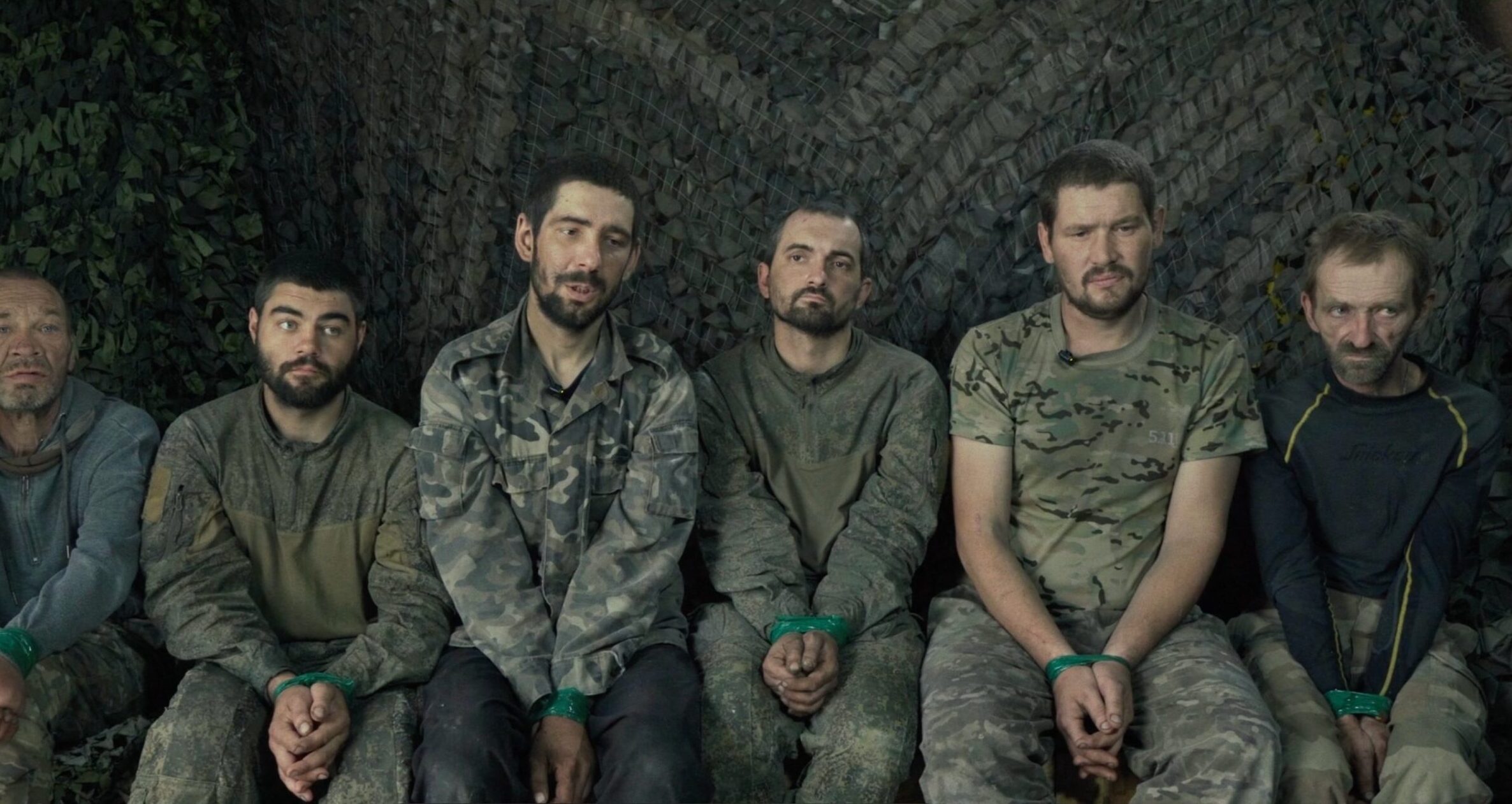
Still, the DRGs can be stopped, as the Azov Corps showed near Dobropillia. After the Russian operators broke through in August and planted flags in Ukrainian-held territory, possibly to demoralize defenders or discourage aid from the West, Azov’s elite units were able to plug the breakthrough, encircle, and capture numerous Russian troops.
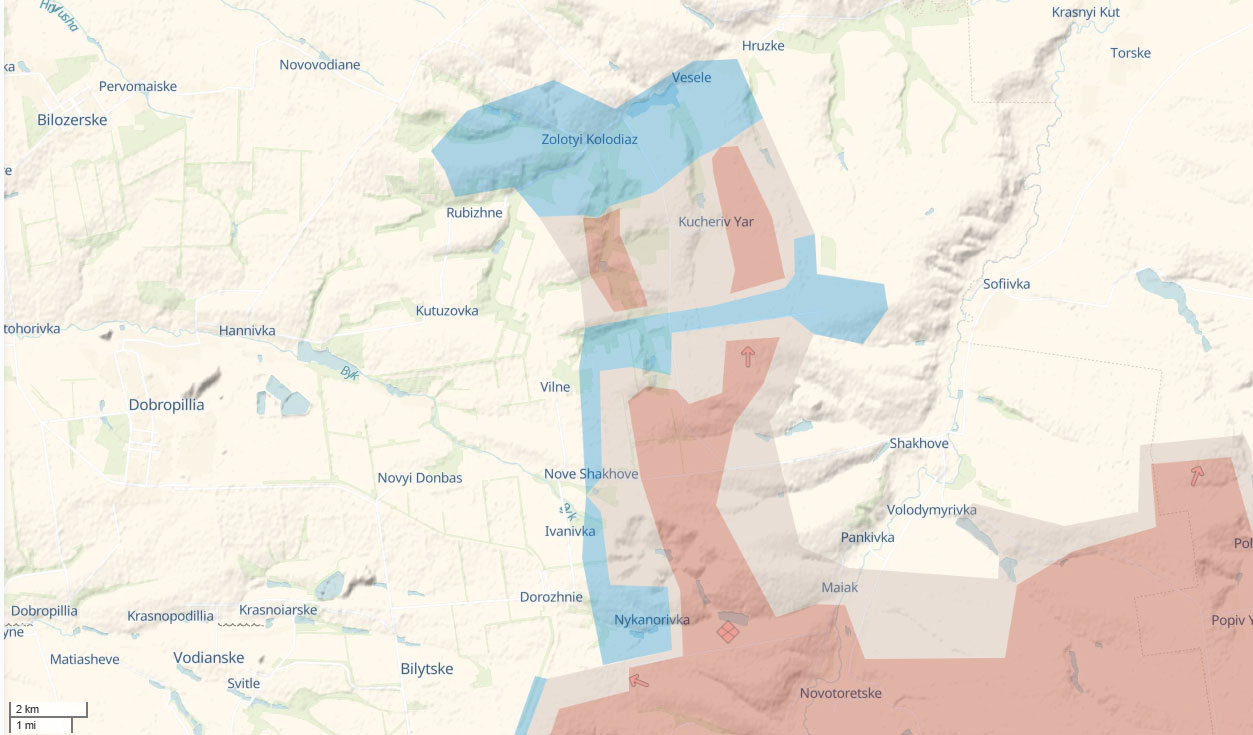
The 1st Azov Corps was able to form three different pockets near Dobropillia, as Russian units overextended supply lines instead of consolidating positions.
Three problems Ukraine must fix
Each factor behind the DRGs' success is addressable. But Kyiv needs to tackle localized problems—negligent commanders, uneven manpower allocation—before they become nationwide crises.
1. The infantry shortage. DRGs can find blind spots to exploit because there aren’t enough defenders to cover them.
Ukraine can recruit and conscript 20,000-25,000 people monthly, but struggles to retain them. Frontintelligence Insight, an independent Ukrainian intelligence analyst, has documented numerous cases of desertion and troops going AWOL—often linked to casualty rates, hazing, and lack of faith in leadership.
The high command must identify which units have the greatest staffing problems and why, before the shortage becomes an existential threat.
2. Anti-drone gaps. Countering Russian unmanned aerial vehicle (UAV) activities will be crucial as the Kremlin’s war machine continues to ramp up drone production.
Frontline defenders need more electronic countermeasures and anti-drone weapons. To make sure they have them, Ukraine needs to scale up its anti-drone capabilities. Western and Asian countries, who face the same kind of warfare in the future, must also step up their military aid to Ukraine and, in the process, learn from the Ukrainians’ experience.
3. Command authority. The Ukrainian armed forces need to put more trust in their field commanders to make critical decisions while under pressure. When a breach occurs along the front line, field commanders should be given maximum authority to immediately neutralize the threat rather than wait for higher-ups to dispatch reserves.
As the fifth year of the full-scale invasion looms, DRGs are becoming central to the Kremlin’s forward push, as its combined arms capabilities wither away.
Ukraine can counter them—Azov proved that. But doing so requires addressing the infantry shortage now, getting anti-drone systems to the front, and trusting field commanders to act fast. The tools exist. The question is whether Kyiv will use them before more breaches occur.


