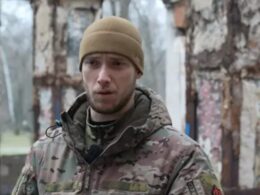
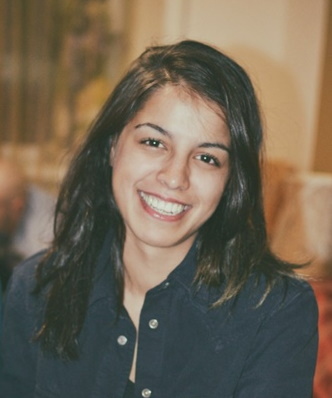

"I don't know if I should continue sharing these memories with you. Maybe it helps you understand what Russia does to people. Or maybe, on the contrary, it hurts you more, and you don't want to read about what I had to endure," with these words, Ukrainian soldier Dmytro Kanuper, also known as Rasti, described his memories of Russian captivity in his latest Instagram post.
He continues, "But I know one thing for certain: by sharing this, I am telling the truth — the truth they work so hard to hide. The truth can hurt, but it must not remain silent."
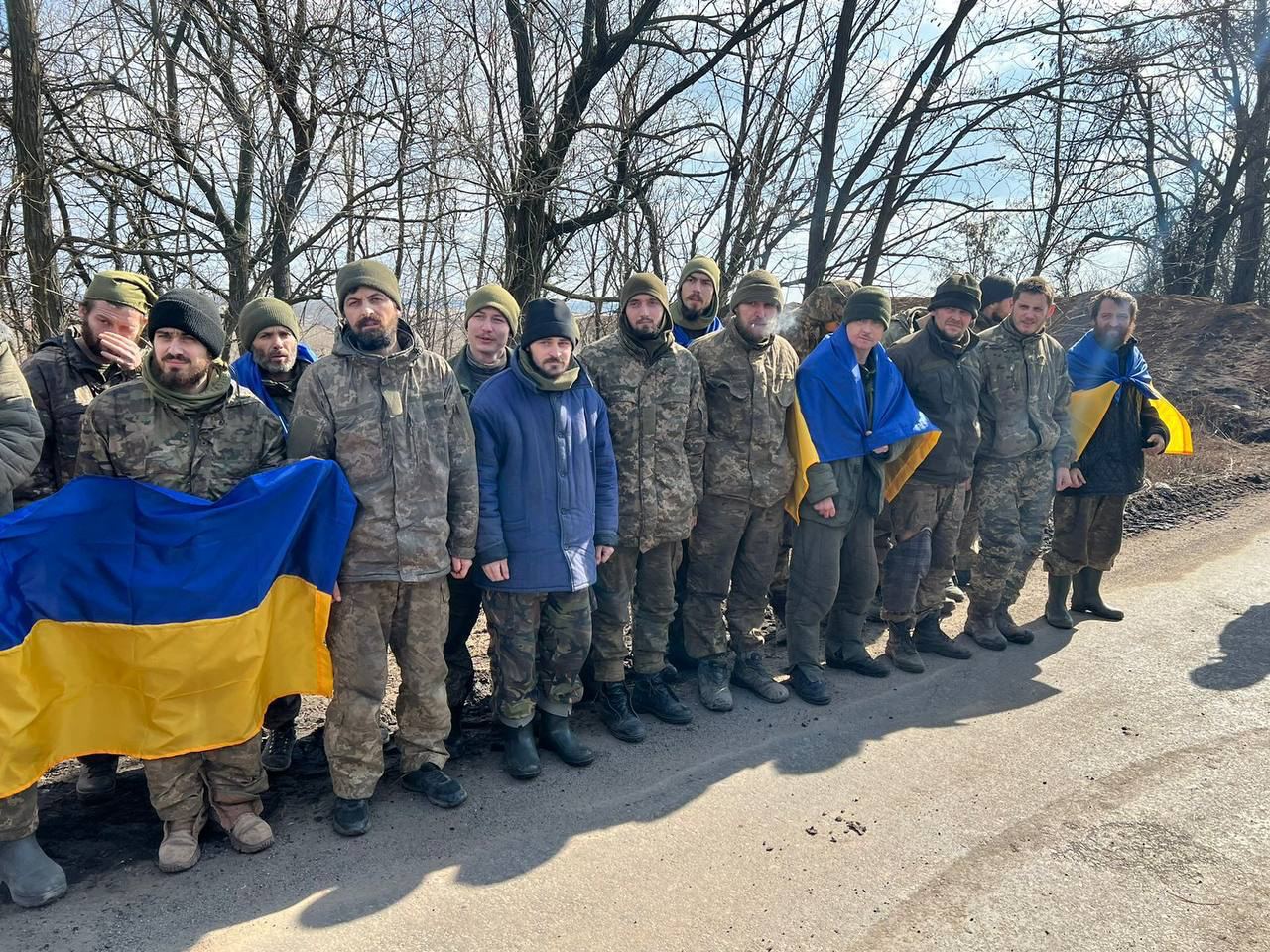
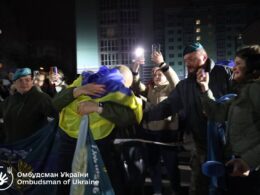
While in captivity, Dmytro was sentenced to 29 years in a maximum-security prison for a war crime he did not commit for defending Mariupol. On 18 October 2024, he was returned home as part of a prisoner exchange. A year has passed, but memories of Taganrog prison continue to haunt him.
"They slowly and deliberately turned us into savages"
"The breakfast was pulled by the 'balandior.' That's what they called a prisoner from a separate caste who distributed food in Russian prisons," Dmytro says.
While waiting for the sound, the soldiers dreamed of bread. Some closed their eyes and imagined it, others guessed which type they would get today — dark or light, toasted or raw, fluffy or stiff? Would it be half a loaf or just a slight crust?
"Hunger did strange things to us. Inside, it spun so that it felt like we could fall to our knees for a crumb," Dmytro recalls.
When the balandior opened the feeding box, everyone in the cell, except the orderly, had to instantly assume a posture: half-bent, hands behind their back, eyes down.
They were not allowed to look at the "feeding box". The orderly collected bread for everyone. It would fall to the floor, roll, and sometimes end up underfoot, but a balandior didn't care.
"If he wanted, he stepped on it, spat on it, and handed it back," he says.
Then, the Ukrainian prisoners almost fought among ourselves over who would get the coveted crust.
"We began thinking the way they wanted us to"
After breakfast came the "main dish."
"An aluminum bowl, the kind they feed a stray dog from. Inside was warm, murky water from boiled pasta. Sometimes there were two spoons of the pasta itself — that was considered a lucky morning," he describes.
There was also tea, which the prisoners called "dragon's urine."
"Sometimes it was salty, sometimes it tasted like detergent, but we drank it anyway," Dmytro recalls.
The system turned them into savages: people who argued over crumbs of bread, over who had more murky water in the bowl, who would get the crust, who would finish the tea first.
"This was life, lived by their rules. And the most frightening part was noticing sometimes that we began thinking the way they wanted us to," he says.
Russia's systematic torture program
Over 90% Ukrainian prisoners who return from captivity say Russian guards beat, torture them with different tools, such as electric shock devices. They are deprived of food, water, and sleep, and forced to sing Russian national anthems.
Many prisoners say that Russian Taganrog is not just the name of a city, but a synonym for the torture conveyor created by Russia. Here, people are being broken, forced to confess to fabricated crimes, so they can be delivered “ready” to the courtroom.
Ukrainian journalist Viktoriia Roshchyna was also held in Taganrog. She died in captivity in September 2024. Her body, showing clear signs of torture, was returned to Ukraine in February 2025.
Ukraine has charged Alexander Shtuda, the head of Detention Center No. 2 in the Russian city of Taganrog, with organizing the torture.