

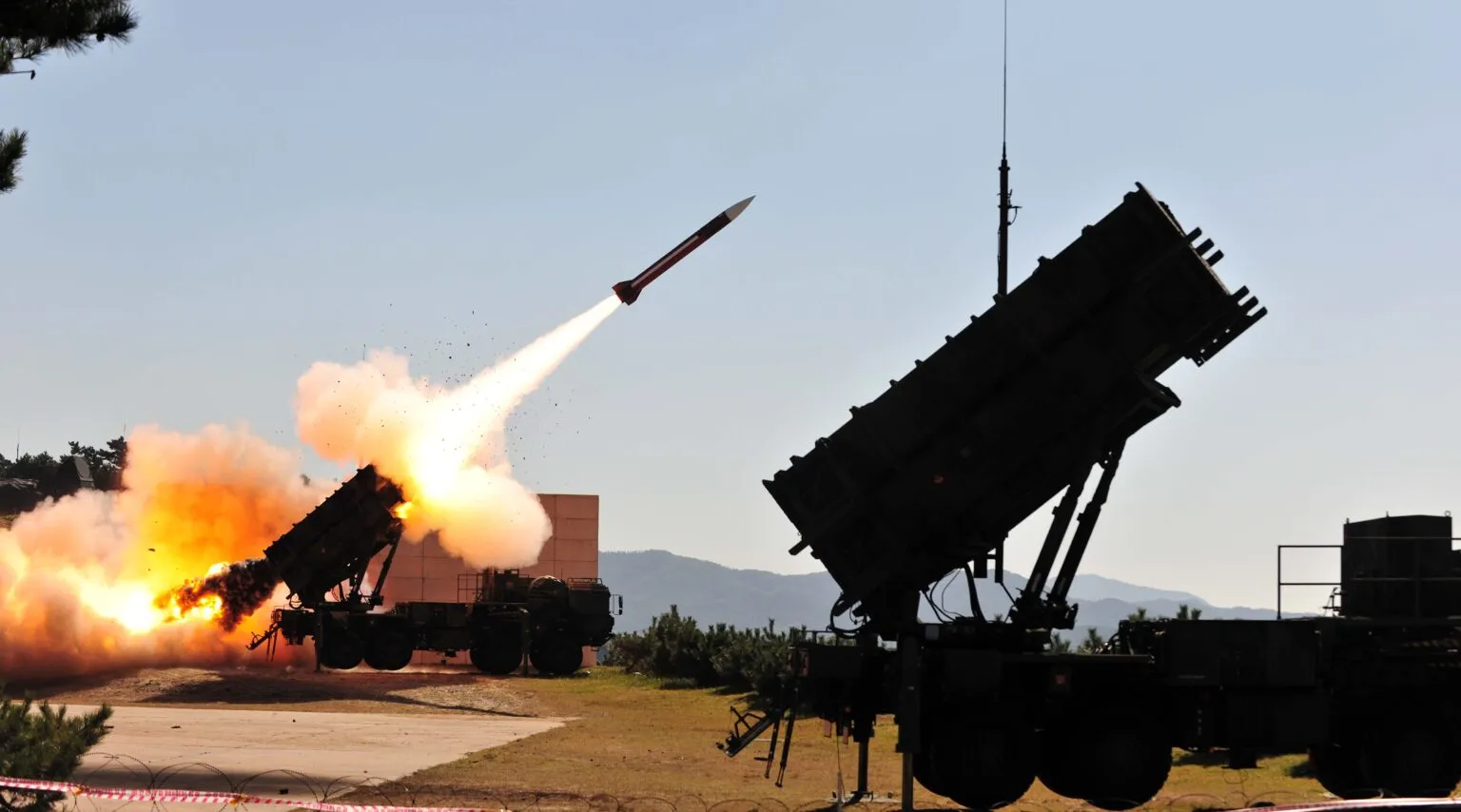
The process of granting Ukraine a license to manufacture missiles for the US-made Patriot air defense system remains stalled at the Pentagon, despite reported approval by senior US officials, Radio Svoboda reported on 14 November, citing two sources in Washington.
The delay has consequences for Ukraine's ability to defend its cities and critical infrastructure against Russian ballistic missile attacks. With Patriot systems among the few capable of intercepting these weapons, access to a reliable supply of interceptors can mean the difference between stopping an incoming missile and allowing it to hit its target, potentially killing civilians and destroying essential infrastructure.
According to Radio Svoboda correspondent Alex Raufoglu, US Secretary of State Marco Rubio and Defense Secretary Pete Hegseth reportedly agreed to the licensing arrangement in October. However, the paperwork required to issue the license has still not been completed.
The process is reportedly stalled at the level of Michael Duffey, the US Under Secretary of Defense for Acquisition and Sustainment. The Pentagon has not commented on the reported delay.
The licensing delay is part of a wider problem: Ukraine also faces lengthy delays in receiving Patriot interceptors from the United States, even when purchases have been approved and funded by European partners. New deliveries may take years, while Ukraine needs the missiles now to defend against Russia's ongoing ballistic attacks.
Why Patriot missile production matters for Ukraine
The Patriot system is among the few air defense systems capable of intercepting Russian ballistic missiles, including Iskander and Kinzhal missiles. Its PAC-3 interceptors are specifically designed to engage ballistic missile threats, making them particularly important for protecting Ukrainian cities and critical infrastructure from Russia's missile campaign.
Russia regularly uses ballistic missiles in attacks on residential areas, power facilities, and other civilian infrastructure. These weapons travel at high speeds and are difficult to intercept, leaving Ukraine heavily dependent on a limited number of advanced air defense systems and their interceptors.
Permission to manufacture Patriot missiles domestically could help Ukraine reduce its dependence on foreign stockpiles and deliveries, giving it greater control over its long-term supply. It would also help address the persistent shortage of interceptors as Russia continues large-scale missile attacks.
The United States has also faced pressure to maintain its own interceptor stocks and meet demand from other countries, making access to additional production capacity particularly important.

Trending Now

“Above all, we do not have enough missiles for Patriots”—Zelenskyy after 100+ ballistic missiles
Zelenskyy said Trump had approved the license in September
Ukraine has been seeking permission to manufacture Patriot missiles for several months. In September, President Volodymyr Zelenskyy said US President Donald Trump had made a final decision to grant Ukraine the production licenses during their meeting in New York on the sidelines of the UN General Assembly.
Trump did not publicly announce such a decision, however, and the reported October agreement between Rubio and Hegseth has not yet translated into completed licensing documents.
The reported delay comes amid broader controversy surrounding Hegseth's leadership of the Pentagon. The former Fox News host has faced increased criticism over his management of the Defense Department and decisions on US military policy.
For Ukraine, the unresolved licensing process is not simply an administrative issue. Every delay in expanding access to Patriot interceptors prolongs its dependence on limited supplies while Russian ballistic missiles continue to threaten civilian lives, homes, and critical infrastructure.
Read Also
-
Ukraine flew a Flamingo cruise missile into the Kerch Bridge like an FPV drone, watching through its camera to the last seconds
-
Ukraine has almost nothing to stop Russia’s ballistic missiles, presidential tech adviser says, listing seven weapons Kyiv needs
-
Ukraine’s Neptune missiles hit Russian airbase used for glide-bomb attacks – fourth airbase hit in two weeks


