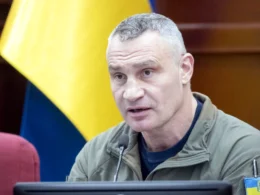
Kyiv has received 31 more generators from the city of Warsaw, Poland, Mayor Vitali Klitschko announced, bringing the total delivered from the Polish capital to 90 units. The first batch of 59 generators arrived last Friday.
The aid comes as Kyiv struggles with repeated Russian strikes on power plants and heating facilities during the coldest winter in years. Extensive damage to the energy infrastructure has left thousands of residents without electricity and heat, forcing emergency measures and temporary shutdowns across the city.
Generators deployed to hardest-hit areas
Most of the generators are diesel-powered, with capacities ranging from 10 to 64 kW. The city immediately deployed some of the units to areas where heating systems remain offline to restore electricity to essential equipment in affected buildings.
Klitschko said the shipment followed his appeal to international partners for assistance in dealing with the ongoing energy emergency. He noted that Warsaw Mayor Rafał Trzaskowski personally called to offer support, and the Polish side acted quickly to send the equipment.

Polish volunteers raised €2 million in 10 days
“This is extremely necessary help in the conditions of the energy crisis,” Klitschko said, thanking Warsaw and Polish partners. He added that another batch of generators, purchased with donations from Polish volunteers, is expected soon.
The first set of 130 generators purchased through charity donations arrived last week. In just 10 days, around 60,000 Poles contributed nearly €2 million to fund the equipment through the “Warmth from Poland for Kyiv” campaign.
These generator deliveries are part of a broader effort by local authorities and international partners to maintain essential services and protect residents during the ongoing energy crisis.

Read also
-
Independence Day gift from inside Russian army: Partisans say soldier whose comrades were killed over extortion money destroyed truck resupplying Kostiantynivka front
-
Every Russian attack on Kyiv costs the city about $12 million. They now come almost twice in week
-
Ukraine’s drones hit two Russian fighters and a spy drone—and blinded radars from occupied Crimea to Rostov