

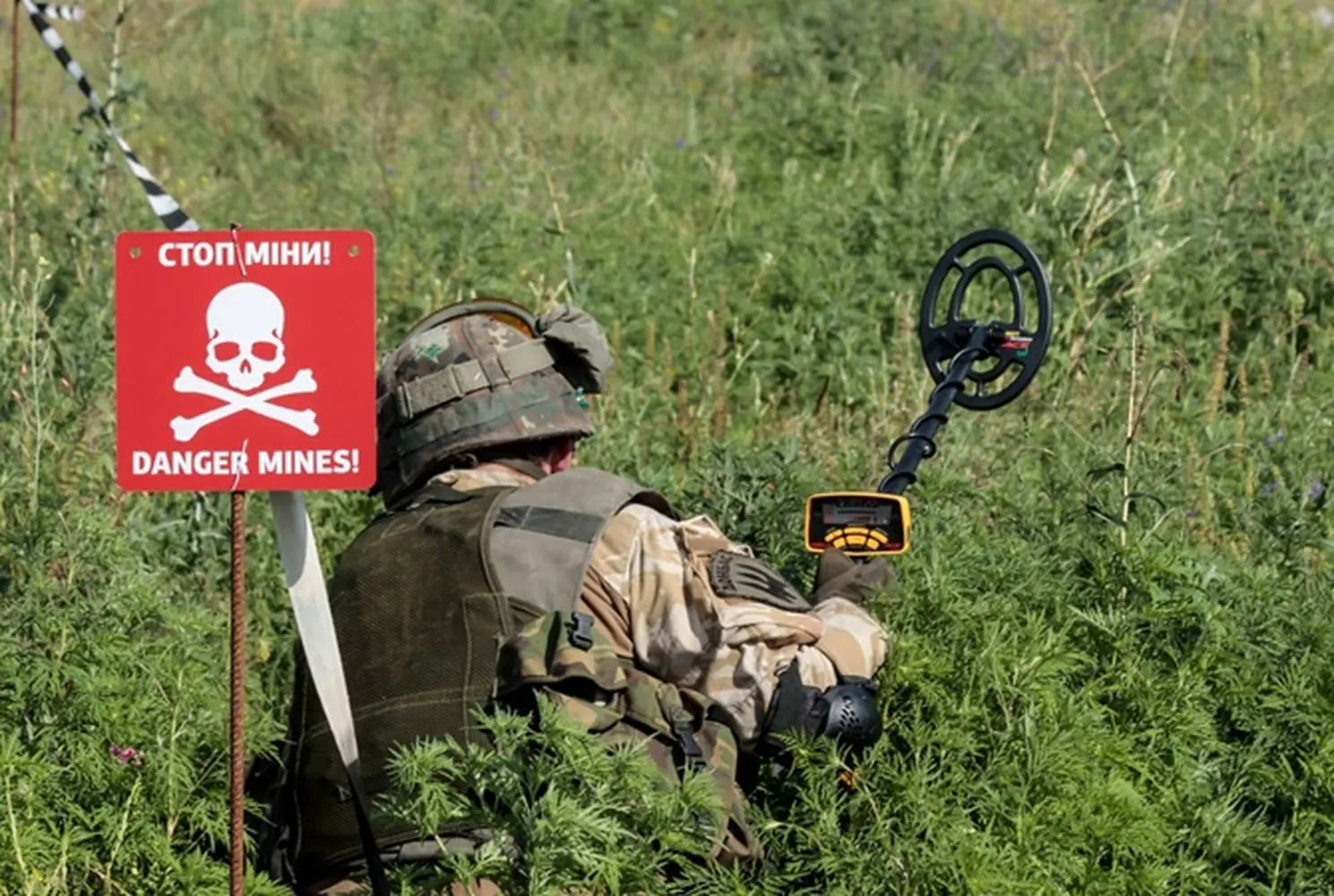
As of 1 September, Russian mines and unexploded ordnance (UXO) had harmed 1,688 civilians since the start of the full-scale invasion, Ukraine's Main Directorate of Mine Action, Civil Protection and Environmental Safety said. The figure breaks down into 1,515 adults and 173 children, with farmers the worst-hit occupational group at 296.
More than 20% of Ukraine's territory—139,000 km²—was suspected of contamination as of mid-2025, according to the UN Mine Action Service (UNMAS). The contamination poses a long-term civilian hazard because mines and unexploded ordnance can remain dangerous long after fighting has moved on. UNMAS has described Ukraine as the most heavily contaminated country since the end of the Second World War.
Ukrainian law enforcement opens criminal proceedings after each civilian detonation on a Russian mine as part of investigations into Russia's violations of the laws and customs of war, the directorate said. The data is collected under Protocols II and V of the Convention on Certain Conventional Weapons, Ukrinform reported.
Beyond farmers, the occupational groups most affected were the unemployed (238), pensioners (166), schoolchildren (165), critical infrastructure workers (164), and drivers (108), the directorate said.
UN human rights monitors recorded 51 civilian casualties from mines and explosive remnants of war in June, including seven killed and 44 injured.
The danger also extends to the people clearing contaminated areas: a Russian strike killed two Norwegian People's Aid deminers and wounded four in Kherson Oblast the same month. Russian forces had hit a clearance team before, killing two Danish Refugee Council workers near Chernihiv in September 2025.
The annual economic losses from contaminated land are estimated at around $11 billion, largely from lost exports and local tax revenue, according to the deputy minister coordinating Ukraine's demining.


