

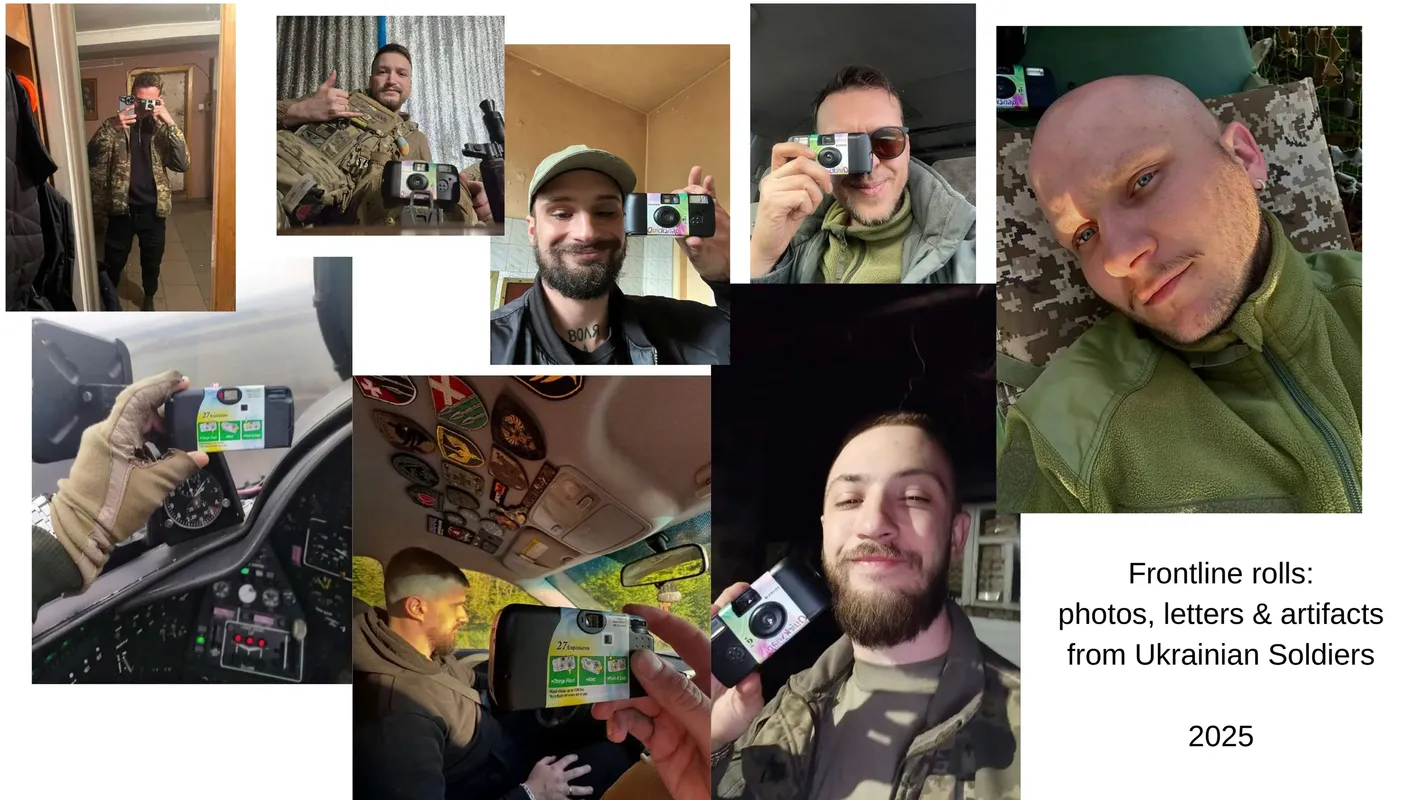
Frontline Rolls, a documentary photography project by Ukrainian photographer Serhii Melnychenko, began in February 2025, when Serhii started sending disposable film cameras to soldiers serving in different areas of the front line. He asked them to document their daily lives, routines, and work.
The project has since been published as a standalone photobook and adapted into an exhibition, with photographs, handwritten letters, and artifacts returned by the participants. In 2026, it won the PhMuseum 2026 Photography Grant Main Prize.
The Ukraine War Archive calls Russia’s war against Ukraine the most documented war in history. Frontline Rolls records it from the soldiers’ own perspective through their photographs, letters, and chosen objects.
How Frontline Rolls began
Serhii spent nearly all of 2024 working on Along the Dnipro. Since he did not have time to travel to soldiers’ positions but wanted to document their experiences, he began looking for alternative ways. He asked himself one question:
“Do I really have to be there in person to document this?” Serhii writes in the foreword to the book, the project’s print format.
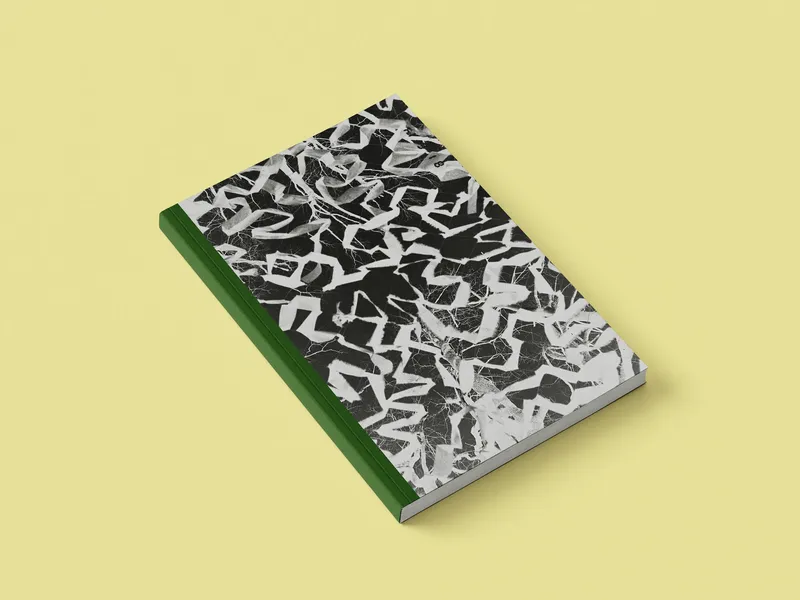
The answer was for the soldiers themselves to document their lives for a period of time. Serhii reached out to Fotovramci, which agreed to provide him with disposable film cameras free of charge.
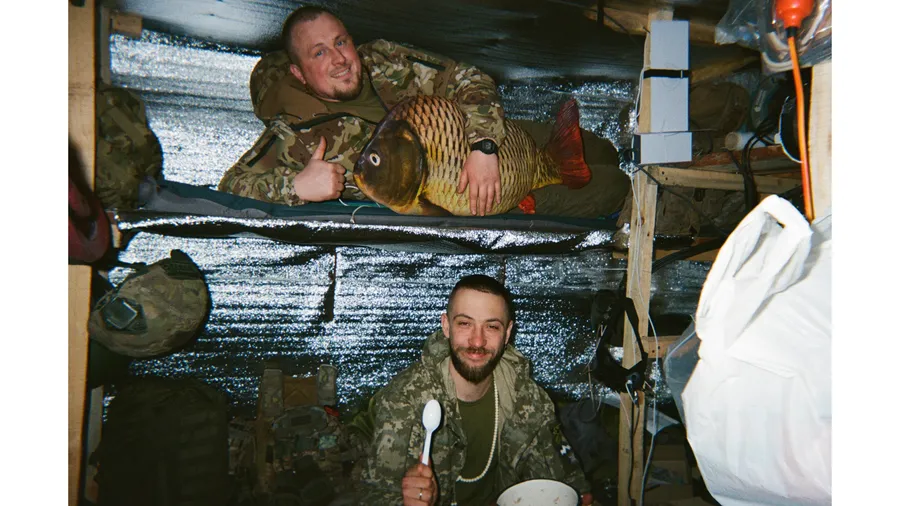
The photographs that came back document the soldiers’ daily lives and the spaces in which they served.
Project participants also shared their stories in the book:
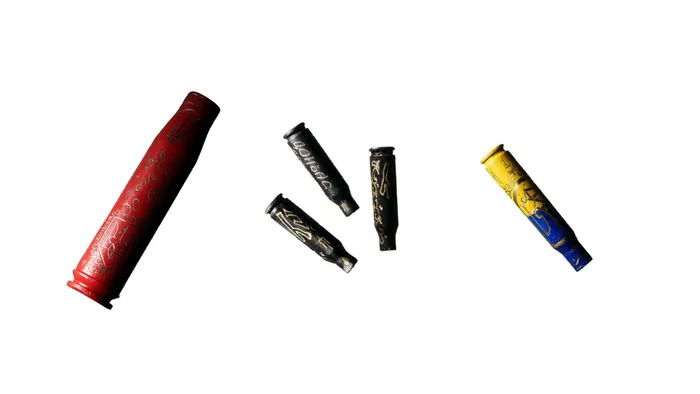
“I joined because I have to protect my family from the orcs. Before the full‐scale invasion I was an artist–designer, worked in advertising. Now a tank commander and reconnaissance pilot on a Mavic. In my free time I decorate shell‐casings and send them to volunteers for help,” says Oleksii, a soldier and participant in the project who goes by the call sign “Lapa.”
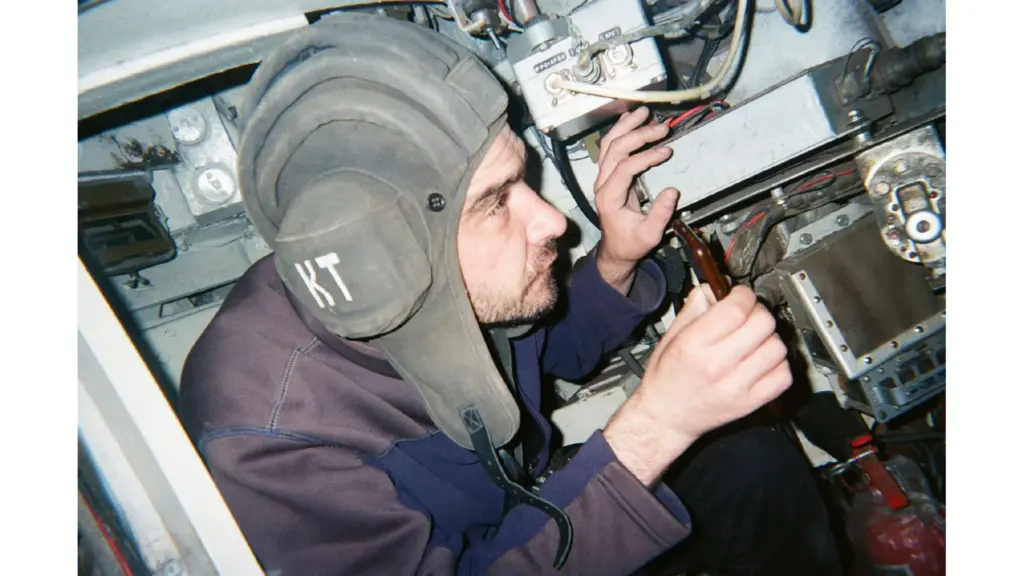
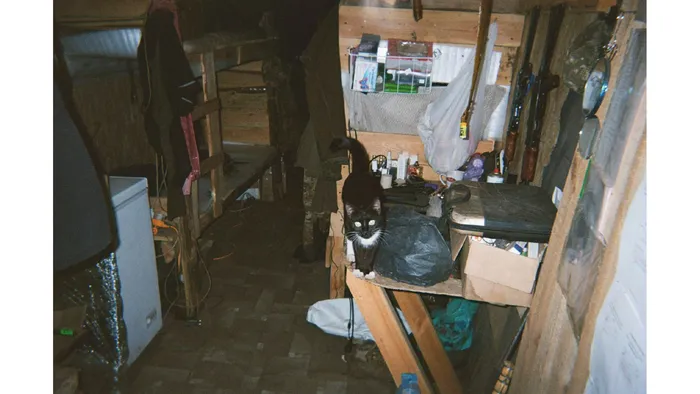
“For almost 3½ years I have remained in my soul a civilian. This system is very alien to me. In it I suffer a lot, in particular due to the huge restrictions on freedom. But I am here so that my country remains free. And for my values and convictions I have already paid a considerable price. If I had the option to choose another path—I would still choose this one,” says Oleksii “Photographer,” a soldier and project participant.
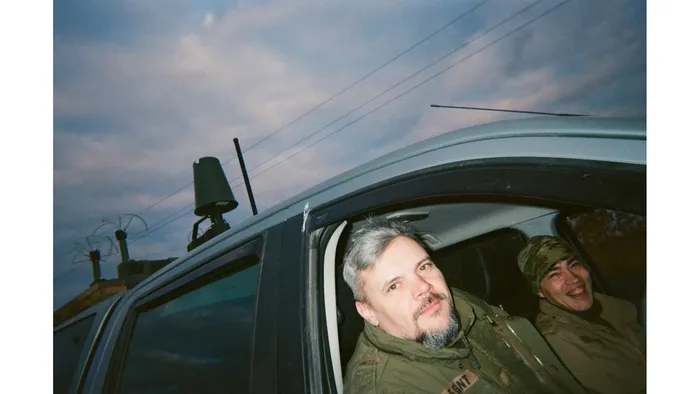
“I don’t have a callsign, because everyone knows me as Holikov. In the military since November 2023. From the very start of the full‑scale invasion I volunteered, but with each trip to the front I felt that I was doing not enough and decided to join the ranks of the 109th Separate Brigade of Territorial Defence,” says Viktor Holikov.
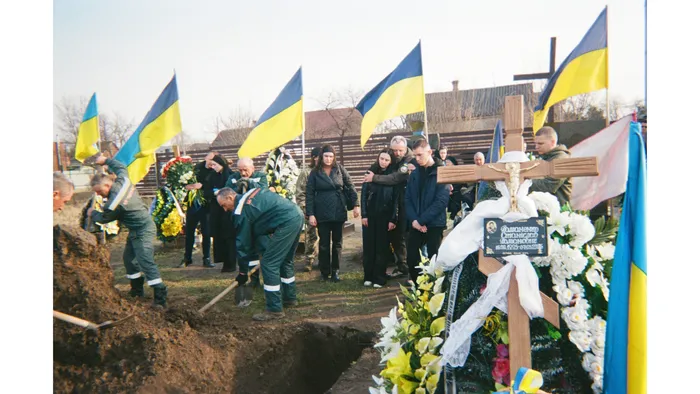
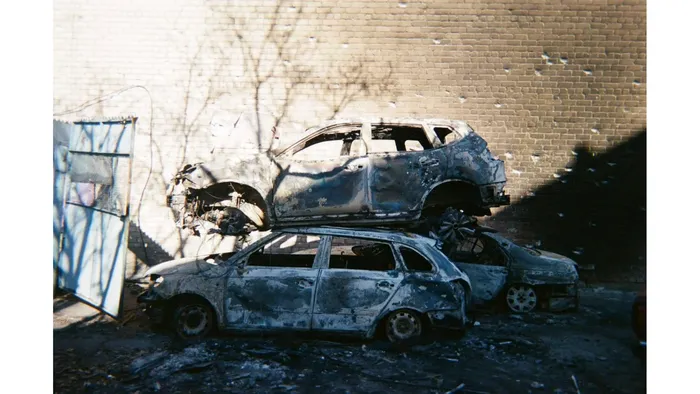
“In the army I... feel calmer. I have finally found a certain peace of mind during the full‐scale invasion, despite the difficulties. Partly I still feel that I’m doing not enough, but now it doesn’t haunt me like it used to,” says Kseniia, a servicewoman who goes by the call sign “Jane.”
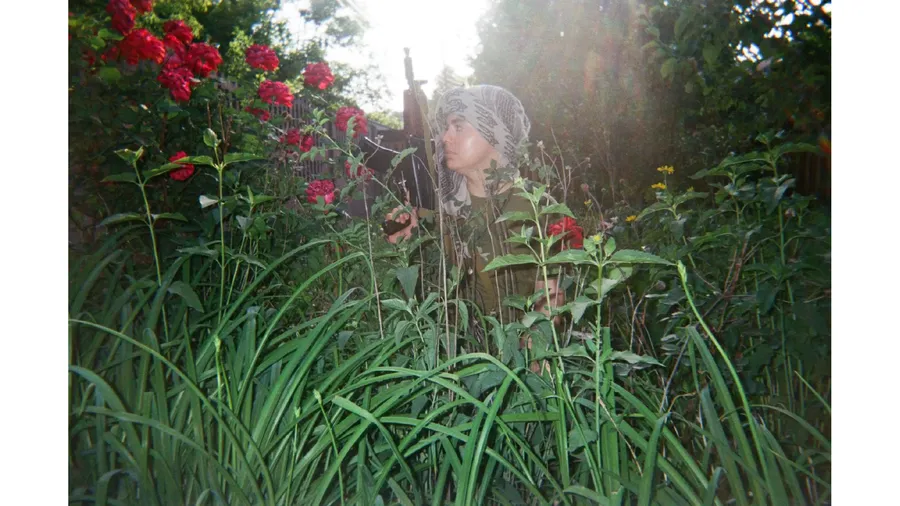
“The army for me is, first of all, what is called brotherhood. It is hard to describe—you can only understand it by being inside,” says Danylo “Doc.”
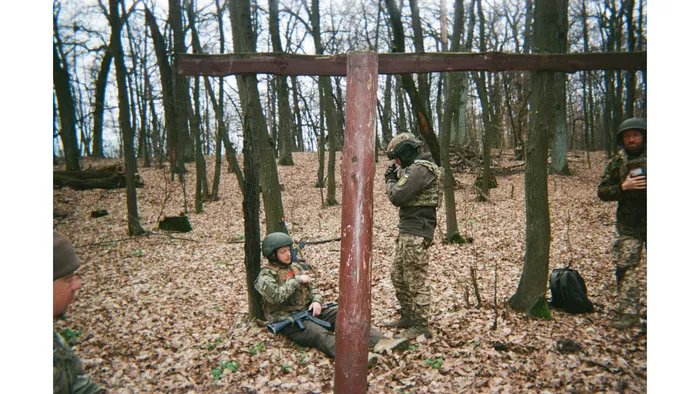
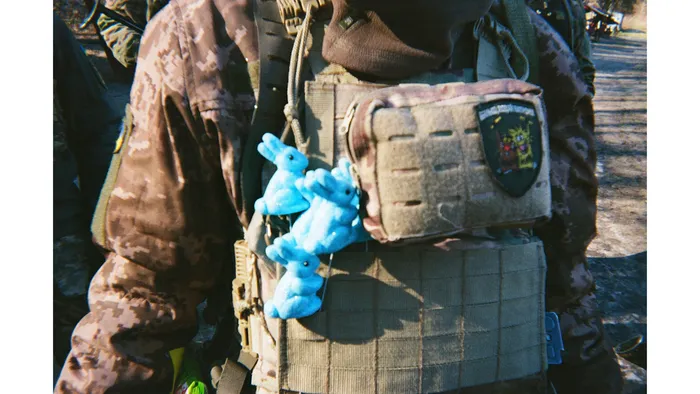
The artifacts tell their own stories
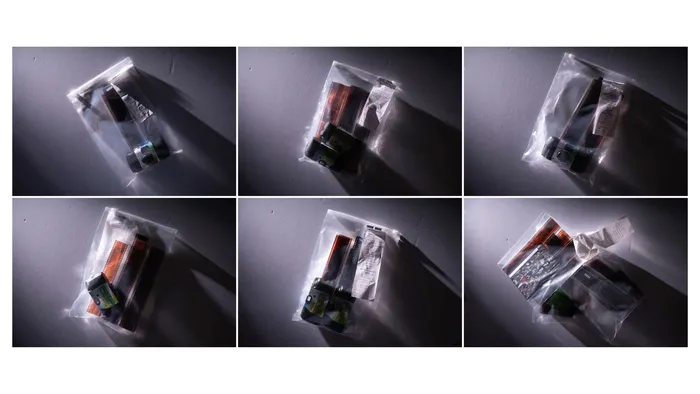
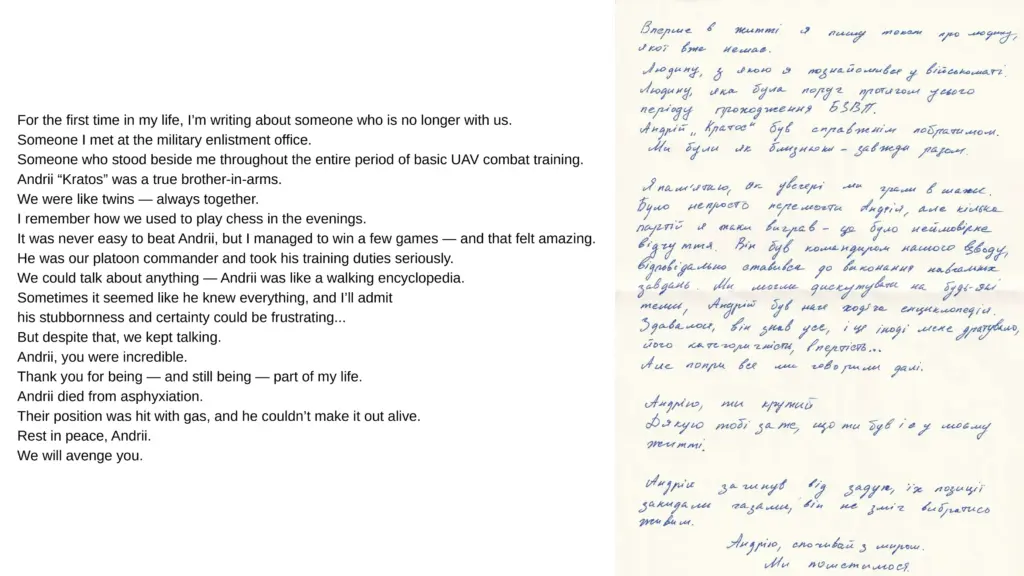
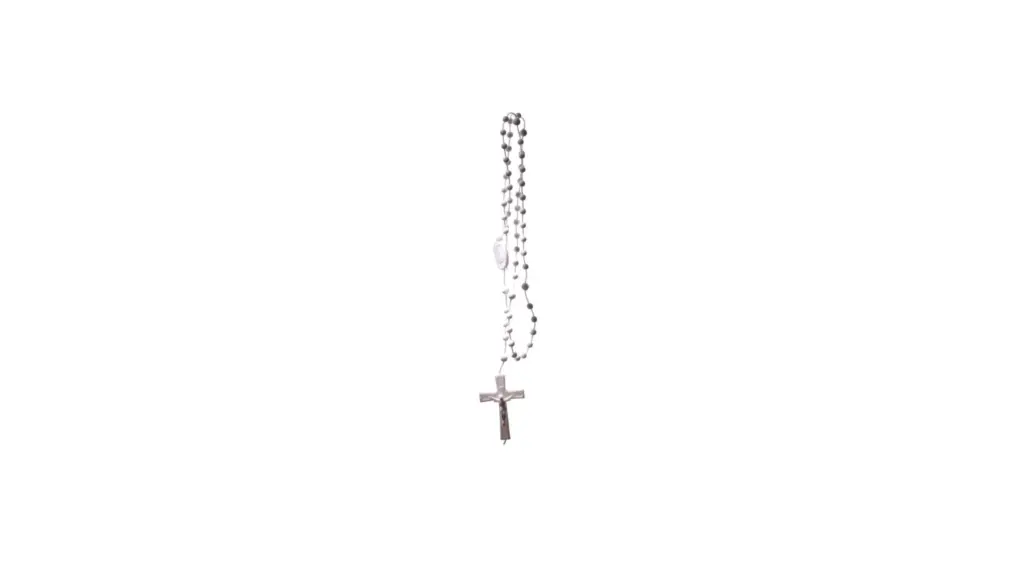
Participants returned handwritten letters and personal objects with the exposed film. Serhii describes the resulting collection as a record of “personal experiences, struggles, and memories.”
“I collected artifacts that will remain part of our nation’s history after victory, reminding us of these challenging times,” Serhii says in the book.
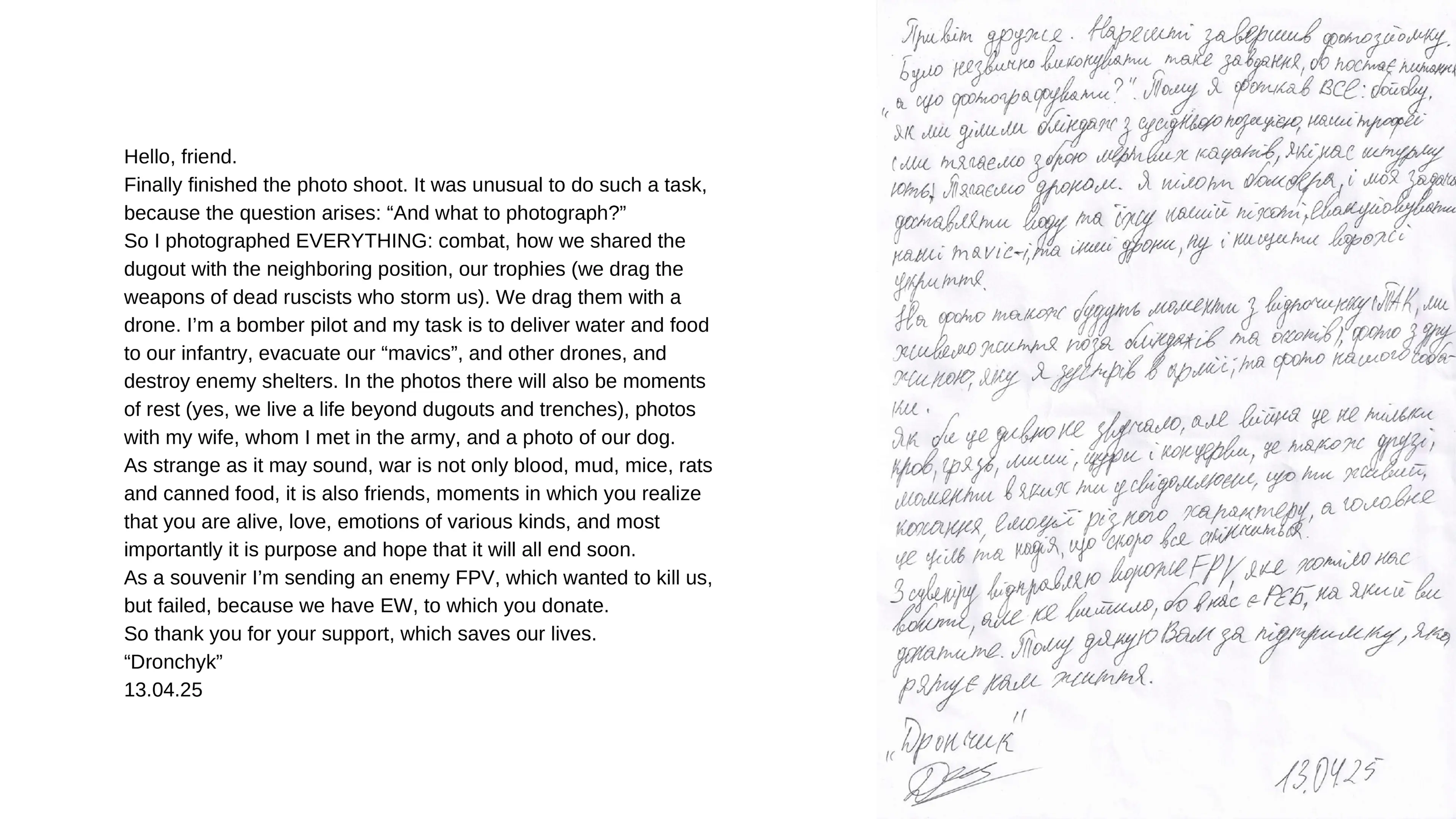

An FPV drone—a drone remotely controlled by an operator using a live video feed, 2025. Photo: Serhii Melnychenko
Frontline Rolls travels beyond Ukraine
In 2026, Serhii also received the PhEST International Award in Italy, ex aequo with photographer Victorine Alisse.
The photographs were also presented in Copenhagen as part of The War They Live, an exhibition curated by The Kyiv Independent photo editor Irynka Hromotska together with Serhii. The project was also shown at the Athens Photo Festival in 2026. According to Serhii, the exhibition is also scheduled to open at Fotografiska Stockholm in October 2026.

“I sincerely hope that when the war ends, every participant in this project will be alive. Because each of them has become much more to me than just a contributor—they’ve become true friends,” Serhii concludes the foreword to the book.


