

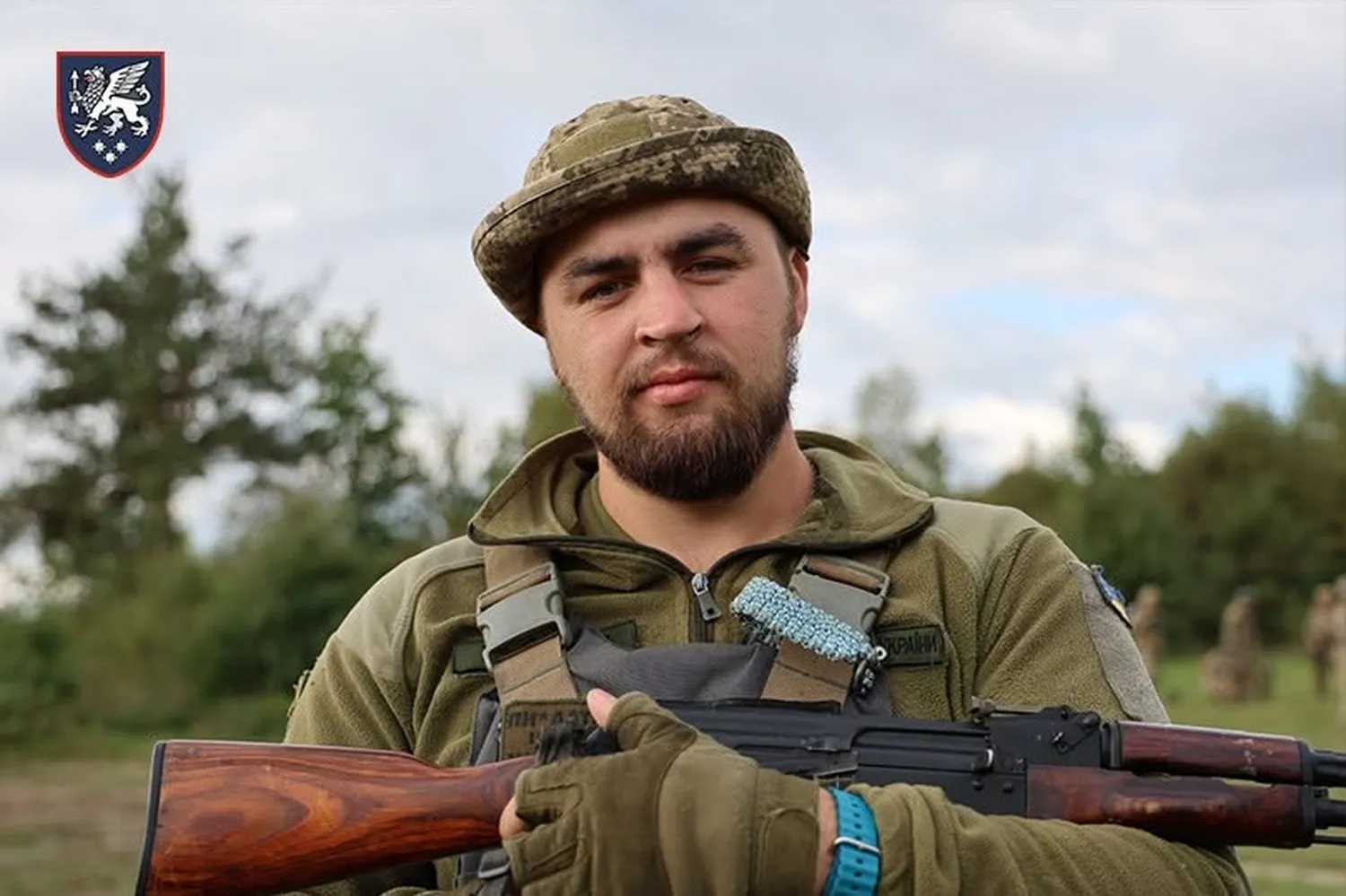
Fedir's four and a half years compress a shift the Ukrainian military has been living through since the invasion. Ukraine's forces have moved from Soviet-era systems, through Western precision weapons, to a homegrown drone war that now shapes the front line more than any single piece of hardware. Soldiers have had to relearn their job every year, mastering whatever technology arrives next, because the side that adapts faster survives. Fedir's story shows how fast that reinvention has come, and what it costs the people carrying it out.
"We give battle, boys — this is war," battalion commander Mykhailo Myronenko told the men. Fedir, a former construction worker, was on combat duty with a Lviv air defense brigade, and his job was diesel: keeping the generators running so the S-300 launchers never lost power. On the busiest days, he says, the unit fired eight to ten times.
In 2024, the war upgraded around him. He retrained on the IRIS-T SLS, a German air defense system, and moved from generators to the launch itself. "Three missiles. Three targets down," he says of his first launches on Western hardware.
"I was standing in snow mixed with mud, and I understood I was really useful to my Ukraine," said Fedir.
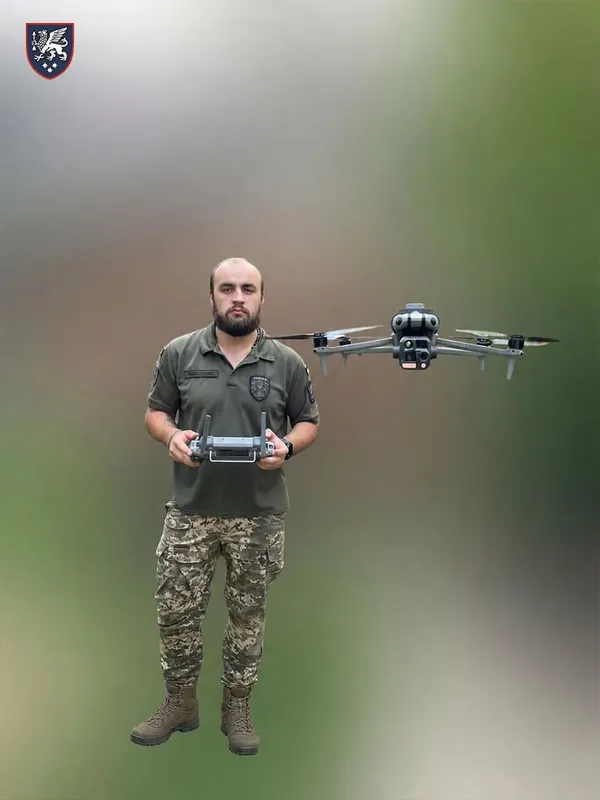
Then he left. The IRIS-T sits well back from the front, and Fedir gave it up to fly drones, because he wanted to see the results of his work up close, through his own camera rather than on someone else's screen. He flew his first missions in Sumy Oblast, moving onto position in the dark with the headlights off. Through the camera, he saw his first Russian soldier walking a trench.
Drone operators are the eyes of the front, and among the most hunted people on it for exactly that reason. The task that matters most, he says, comes after the flight: not bringing a "tail" home, not letting an enemy drone track the path back to your shelter. One day, he says, it went wrong. A Russian FPV drone found their group, a comrade made cover shouting "FPV," and the blast was followed by artillery meant to finish them off. Fedir took a serious concussion, spent a few days in a hospital, and went back. "I was desperate to return. Because this is my war," he said.
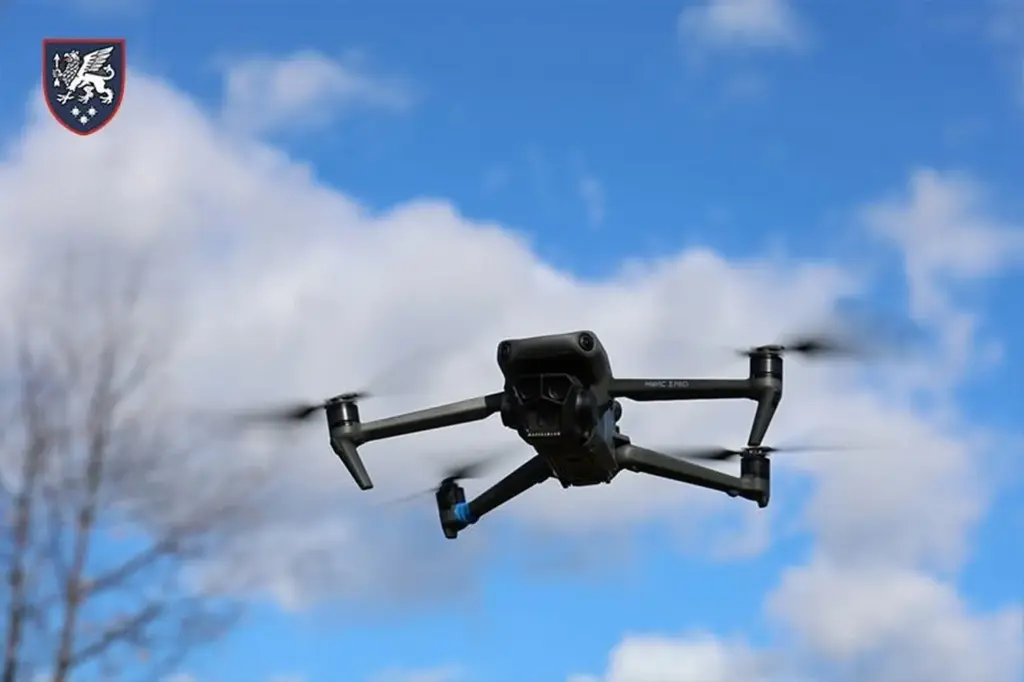
The callsign came by chance, from the work. When the jamming is heaviest, and he is fighting to hold the link to his drone against Russian electronic warfare, he starts to move at the controls, a small involuntary dance. His comrades named him Dancer.
His rotation has ended, and he could go back to the IRIS-T. He has chosen to stay on the zero line. After the war, he says, he wants the ordinary things: a family, and the peace to build again.
Read Also
-
Defender Media: Ukraine’s battle-tested drone makers reach no top slot in Pentagon’s $1.1 billion Drone Dominance program, but some Ukrainian technology wins anyway
-
Ukraine’s Vivaldi operation cleared 85 square kilometers near Lyman. A soldier who fought it says one thing was hardest of all
-
Ukraine’s most effective units, Azov among them, need reinforcements. So National Guard is opening recruitment center aimed only at foreigners


