

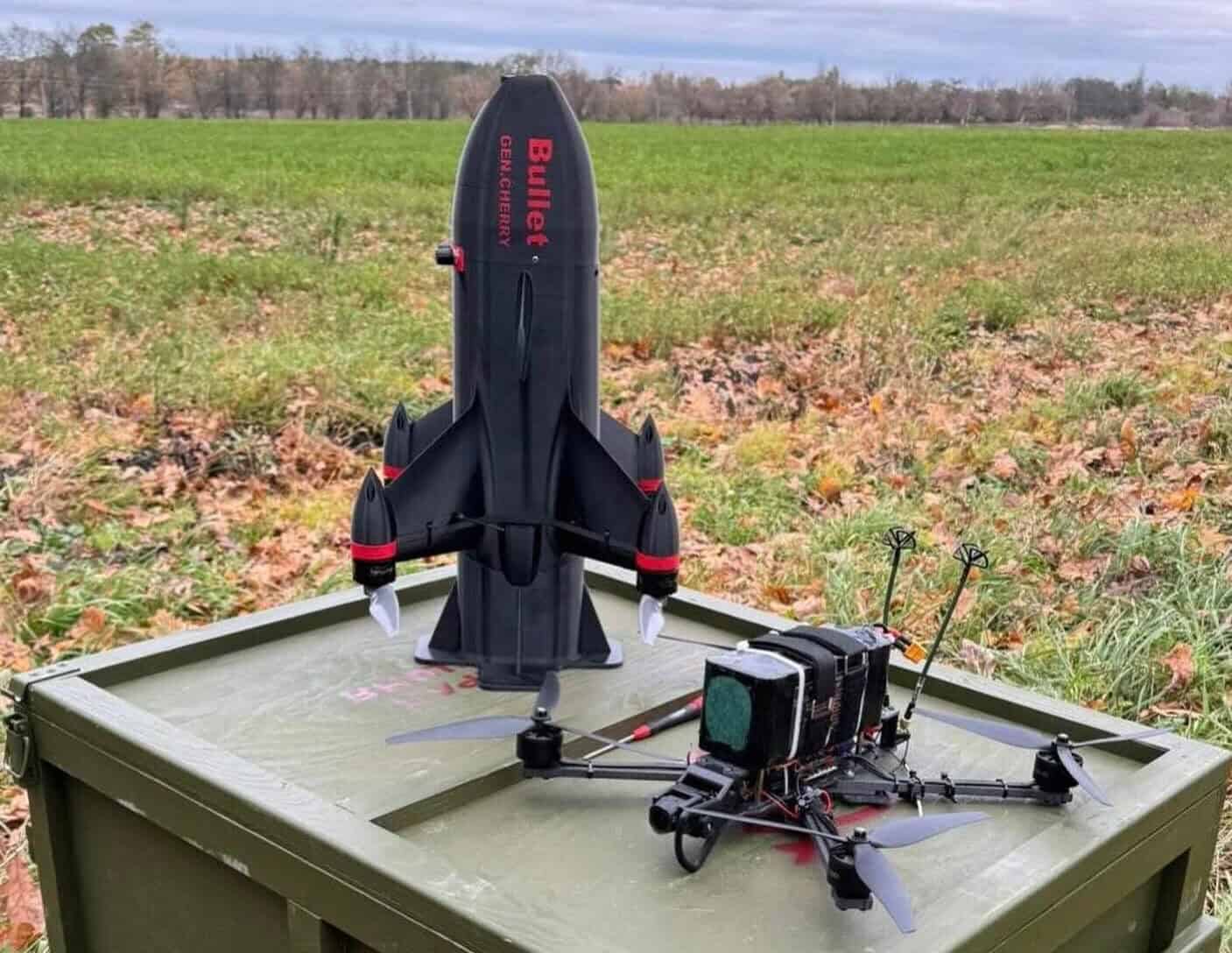
Ukraine is teaching its Shahed-hunting drone to see its target with French artificial intelligence. The Ukrainian interceptor group "General Cherry" and French firm Alta Ares have signed a memorandum to integrate AI guidance into the BULLET anti-Shahed interceptor, General Cherry announced.
The partnership pairs a combat-proven Ukrainian interceptor with Western AI. General Cherry recently received a US invitation to the Drone Dominance Program, a $1.1 billion effort to select unmanned-systems suppliers for testing and contracts to meet US defense needs, per the War Department.
The AI keeps the target locked without GPS
The collaboration integrates two Alta Ares systems into the front-line interceptor. Pixel Lock guides the drone onto the target in the terminal phase, and Cyclop C2 guides it along the flight route, and both hold the target using computer vision and fused data from several sensors, even without a GPS signal.
That matters against Russia's jamming. An interceptor that tracks its target by vision rather than radio or satellite signal cannot be defeated by the electronic warfare Russia uses to break the control links of guided drones, which is the core problem in shooting down fast, evasive Shaheds.
Alta Ares brings NATO backing and fresh funding
The French firm arrives with a track record against exactly these threats. Alta Ares develops AI systems for the defense sector and autonomous air-intercept tools. It also won a NATO tender in spring 2025 for solutions to counter glide and guided aerial bombs, and opened an office in Ukraine that summer to work with Ukrainian developers, according to Militarnyi.
The deal runs Ukrainian combat experience into global defense
General Cherry has framed the partnership as a step toward joint work on a global security architecture informed by Ukrainian combat experience.
It is the same logic drawing US and NATO programs to Ukrainian drone-makers, the combat record that no peacetime range can produce.


