

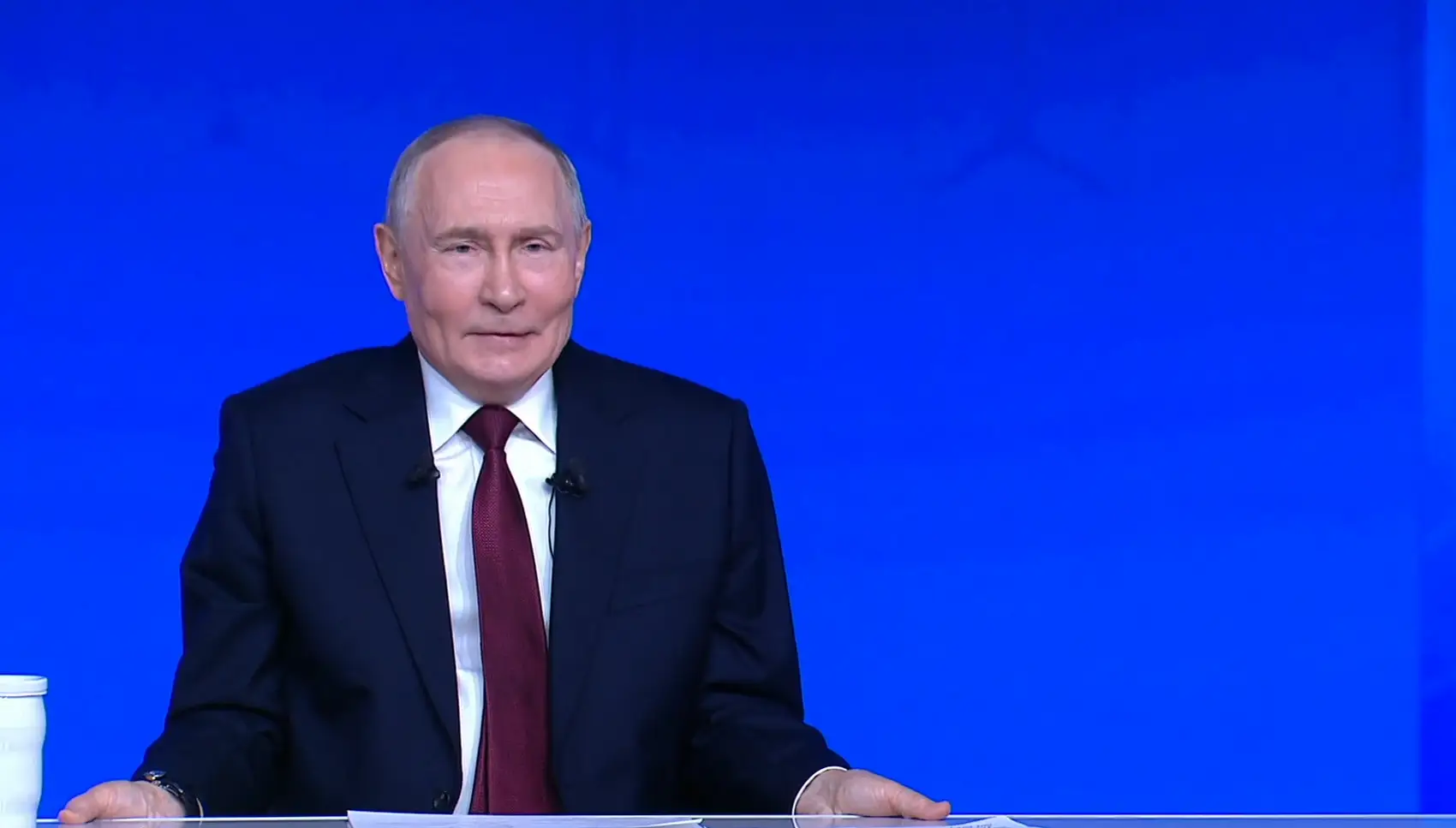
Russian President Vladimir Putin signed a law allowing Russia to seize the property and bank balances of citizens living abroad before any court ruling, the Moscow Times reported. The legislation turns a single formal charge into an immediate asset freeze in absentia against exiled Kremlin critics. It takes effect on 1 September 2026.
Several hundred thousand Russians left the country after the start of the full-scale invasion of Ukraine in 2022.
What the law does
The amendments to Russia's Code of Administrative Offenses cover "administrative offenses against the interests of the Russian Federation." The seizure is framed as a "precautionary measure," not a sentence. Qualifying offenses include "discrediting" the Russian army, calls for sanctions against Russia, and "propaganda of Nazi symbols." They also cover producing and distributing "extremist materials" and non-payment of fines for any of these acts.
The value of property arrested, including bank account balances, is not capped at the underlying fine. Russian outlet Meduza noted that courts had previously fined people abroad under those administrative articles. Pre-trial seizure as a precautionary measure had never been available before.

Russia is holding at least 100 people in occupied Crimea with no contact with outside world and no lawyer — and no trials
How it differs from the 2024 confiscation law
The legislation extends the post-conviction asset-confiscation regime that Putin signed in February 2024. That earlier law let Russia seize the assets of those convicted of spreading "deliberately false information" about the army and other offenses. The new law moves the seizure earlier, before any verdict.
It is aimed squarely at Russians who fled after Moscow's full-scale invasion of Ukraine in 2022. The Moscow Times said the legislation "hands the government a new tool to punish Kremlin critics living abroad, including exiled journalists and activists."
If a Russian abroad cannot be notified of charges, the court must appoint a defense lawyer. Legal fees are reimbursed from the federal budget only if the case is dropped. The document was published on Russia's official legal information portal on 10 June 2026.

Children informing on parents, teachers beaten, collaborators later jailed — researcher details Russia’s occupation playbook
A "preventive" measure aimed at exiled critics
The bill's explanatory note cited "bright examples" of relocants conducting "activity directed against the interests of Russia." It argued for applying "measures of preventive influence" to such citizens. The authors stated the law will help "stop" calls to violate Russia's territorial integrity and constitutional order. In Russian official usage, that language covers the Kremlin's claim over occupied Crimea, Donetsk, Luhansk, Zaporizhzhia, and Kherson oblasts.
From Tatarstan to Putin's desk
Lawmakers from the Russian republic of Tatarstan first proposed the bill in October 2024. The State Duma — Russia's lower house of parliament — passed it late in May 2026. State Duma speaker Vyacheslav Volodin praised the bill as a cover for Russian forces deployed in Ukraine. Russian state news agency TASS reported that the amendments make individuals abroad newly liable for abusing media freedom, inciting hatred, calls to violate Russia's territorial integrity, and discrediting the armed forces.
Read also
-
Russia sentenced a Ukrainian journalist to 13 years for a beet juice protest — in absentia. Now it wants her arrested abroad, and Ukraine’s NGOs say it won’t stop there
-
Russia’s 36th Brigade takes 50 Ukrainian civilians across the border by force, most of them are men
-
Russian court jails 65-year-old teacher for “terrorism” after hiding Ukrainian soldier


