

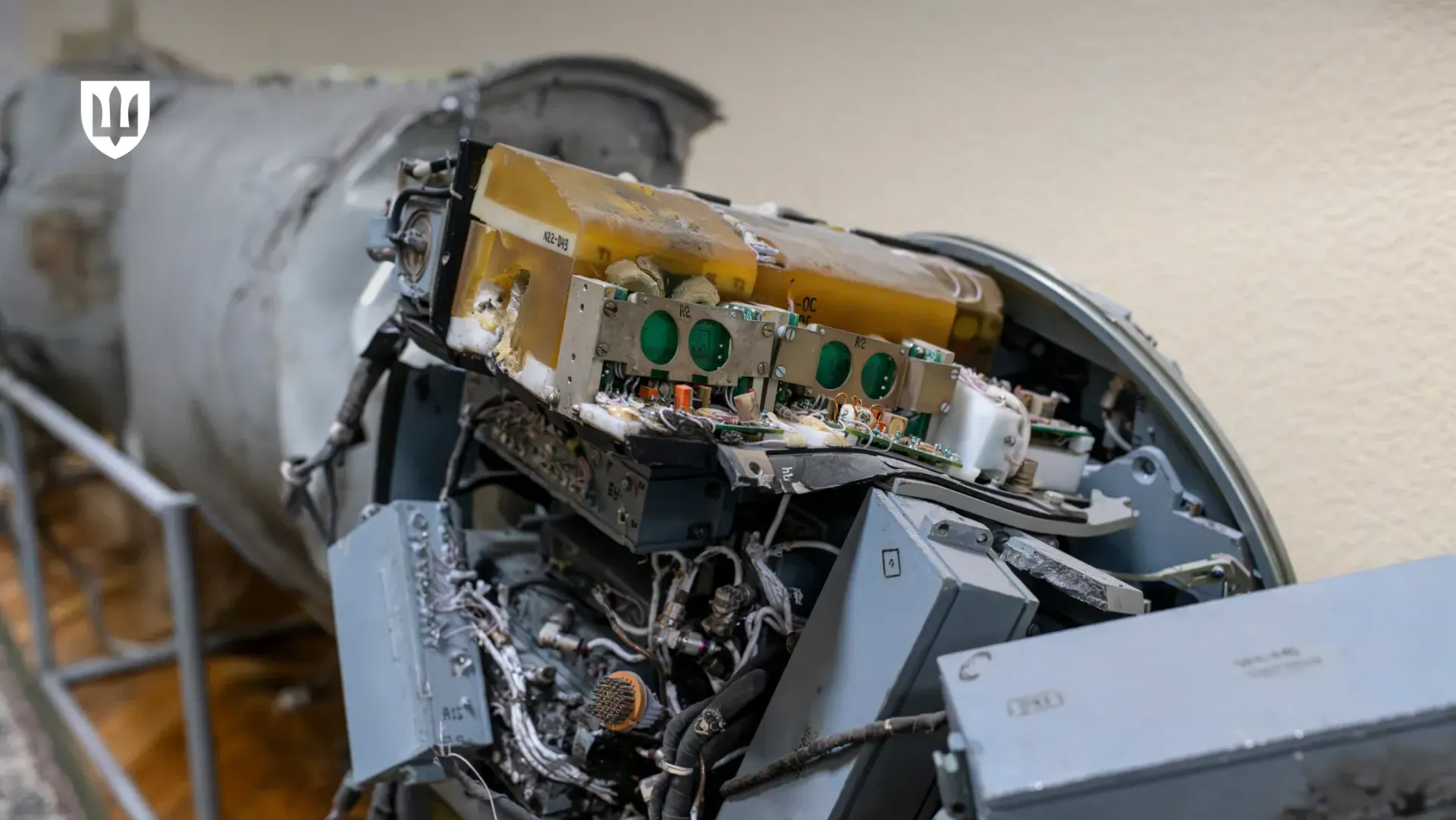
Russia went back to using imported electronics for their Kalibr cruise missiles’ guidance system after failing to replace them with homemade alternatives, according to Ukraine’s Ministry of Defense.
The ship-launched missile’s homing boards “are made up of more than 80–90% foreign-made components,” the MoD wrote. “This is a confirmed fact, not an estimate: each part is marked and has been checked by military representatives.”
Starting in 2023, Moscow began to transition to domestic components in manufacturing their Kalibr missiles, which may have worsened their performance. As a result, the Russians went back to what works, the MoD wrote, citing an analysis of Kalibrs that were shot down.
The announcement did not disclose the manufacturers of these systems. However, according to the General Intelligence Directorate’s website that tracks foreign parts in Russian’s weapons, most chips that went into Kalibrs prior to 2024 came from the US.
Russia has routinely used foreign electronics in the missiles it fires against Ukraine throughout the course of the war.
A Russian Kh-101 cruise missile that killed 12 people in Kyiv in May was built in the second quarter of 2026, which points to components continuing to reach Russia despite 21 sanctions packages from the EU and years of Western export controls, President Volodymyr Zelenskyy said last month.
Cluster munitions added
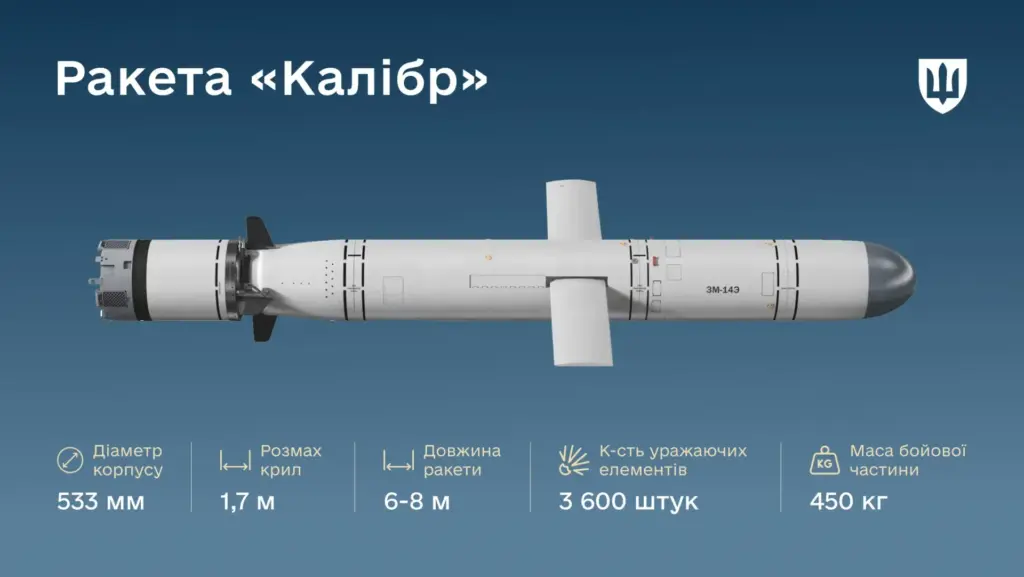
Russia has also started using cluster munitions for the Kalibrs' payloads—the first such use was recorded in the Spring of 2026, according to the announcement. Previously, Kalibrs tended to be armed with high explosive fragmentation loads.
Cluster payloads can widen the destructive radius and allow the missiles to more effectively hit spread-out targets. The MoD described them as analogous to the cluster munitions found on Kh-101 missiles.
The use of weapons that cover an area with bomblets is controversial around the world because of the lingering danger they pose to civilians. A total of 124 countries have ratified the Convention on Cluster Munitions, outright banning the use of such weapons, though Ukraine and Russia are not signatories.
Moscow’s army has repeatedly used cluster munitions, including against cities, since the opening days of the full-scale invasion.


