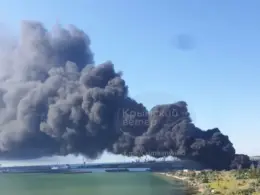
Russian occupation authorities in Crimea have prohibited residents from photographing or filming fuel tankers and from publishing details of their movements, calling such material assistance to sabotage, the administration announced on its Telegram channel on 4 June.
The order makes recording the shortage a punishable act, with officials saying criminal liability can begin at age 14. It lands as fuel rationing tightens across the peninsula, where Ukrainian strikes on Russian oil and military sites have disrupted supply.
A ban presented as counter-sabotage
The administration said photographing fuel convoys amounts to "assistance to subversive activity, which entails criminal liability," and that such information must not be posted online, sent to relatives and friends, or shared in closed chats. The material could be "used by the enemy against the security of Russia," it said, advising residents to refrain from filming fuel convoys.
Officials said people could be held responsible from age 14 and called on parents to explain the restriction on recording fuel trucks and military equipment to their children. Residents nonetheless continued to film damaged and burning tankers, with footage published by the Telegram channels Supernova+ and Crimean Wind.
Rationing tightens after strikes on fuel sites
The warning followed nighttime attacks on 4 June, including near a military fuel base and a thermal power plant in the Simferopol district, after which the "TES" station network suspended free fuel sales in Sevastopol, Suspilne reported.
Cash sales of gasoline were halted for several days from 4 June, the Russian-installed head of Crimea, Sergey Aksyonov, said in remarks reported by Suspilne; coupons were unavailable, and fuel bought on earlier coupons was capped at 20 liters per person. Earlier reporting described kilometer-long queues at Crimean stations and a roadside resale market, with private drivers allowed to bring limited volumes onto the peninsula.
On 30 May, Volodymyr Zelenskyy said Ukrainian strikes on Russian military and oil targets along the Azov Sea coast had triggered the fuel crisis in occupied Crimea, where AI-95 gasoline has been sold only on coupons since 31 May. He has said the campaign took close to 40 percent of Russia's primary refining capacity offline, and drones have damaged eight of the country's 10 largest plants this year, according to industry reporting.
Read also
-
Russia resumes diesel exports to Türkiye, Brazil, after Trump lifts sanctions on fuel supplies, boosting Moscow’s war revenue – Reuters
-
South Korea will pull staff from Kyiv over North Korean POW handover made public at the UN
-
US restores ballistic missile warnings to Ukraine after a week without advance notice before Russian attacks, Zelenskyy says