

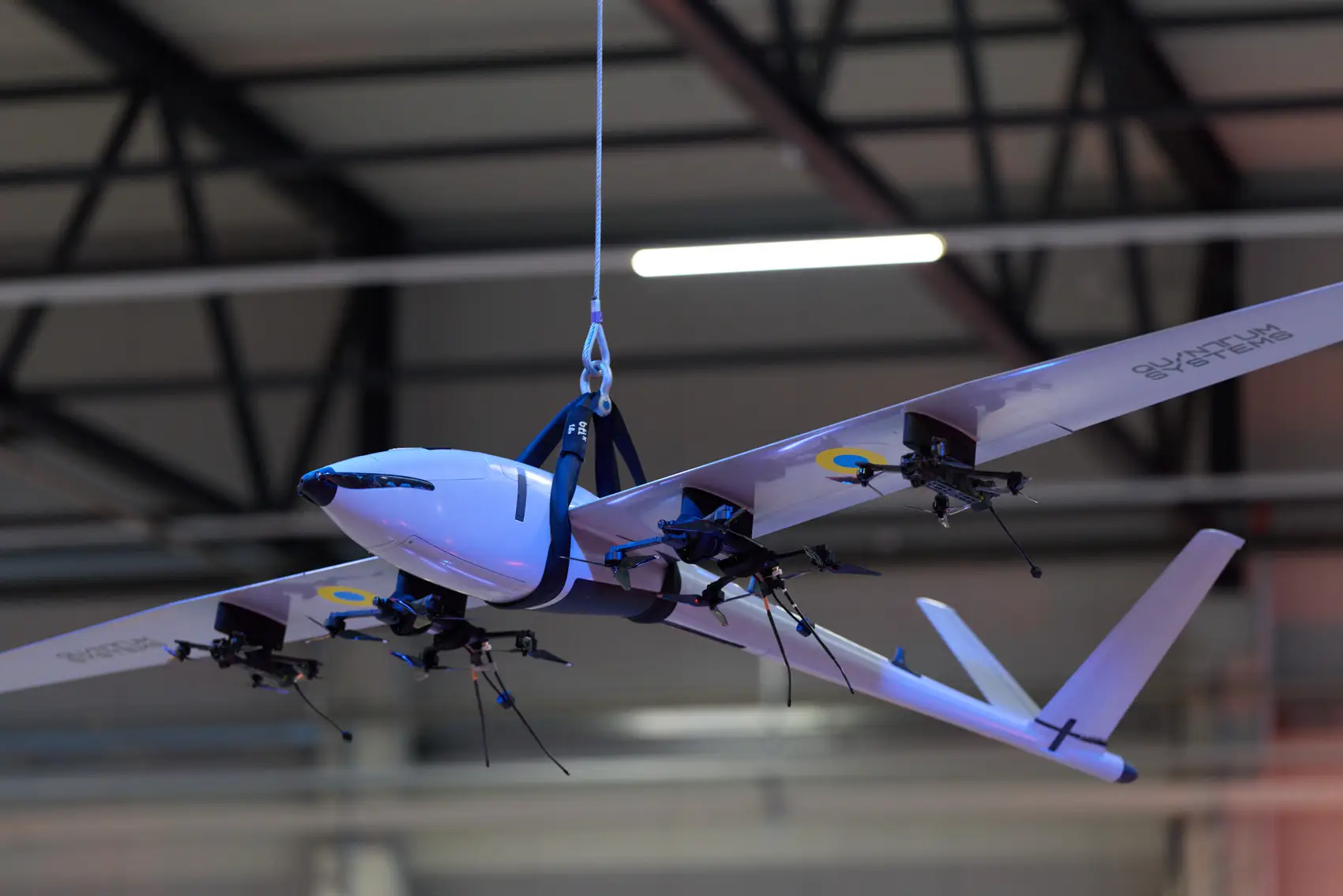
The US is seeking the transfer of technology and access to Ukraine's intellectual property rights. They are part of a drone deal awaiting approval at the highest political level, Bloomberg reported, citing a person familiar with the matter.
The US Defense Department has asked to test a range of Ukrainian drones and electronic-warfare systems for potential purchase, the person said, speaking anonymously because the talks are private; no agreement has been finalized.
The significance is the direction of the exchange. Through more than four years of war, Ukraine has built combat-proven drone and electronic-warfare technology that the US now wants not only to buy but to reproduce.
The US is also interested in AI-assisted targeting and GPS-free navigation
Washington wants to run additional tests with its own military before any purchase, even though the Ukrainian side stressed in negotiations that the weapons have already been proven extensively in real combat.
Beyond the systems themselves, the US is interested in critically important technologies and, potentially, the IP rights that would allow Ukrainian developments to be reproduced.
Industry representatives told the outlet the specific draws include AI-assisted targeting, GPS-free navigation, and secure communications channels, along with the combat experience of using them.
In early May, Washington gave Kyiv a draft letter of intent covering testing and possible contracts if systems are selected; it does not yet contain specific parameters.
Ukrainian Ambassador to the US Olha Stefanishyna said a draft framework document has been developed and is being reviewed by both sides at different institutional levels.
Ukraine's red line — and why it is negotiating anyway
President Volodymyr Zelenskyy has said the government will ease broad military-export restrictions only once it is certain Ukrainian companies' intellectual property is protected and that they can still supply enough for Ukraine's own defense.
CBS News reported that the drafted memorandum "appears to suggest those obstacles may be falling away."
Not a one-sided courtship
The US side has been ambivalent. Ukrainian officials told CBS they felt a "lack of support" for the drone deal from some senior Defense Department and White House officials, particularly after the war in Iran, and that President Donald Trump publicly rejected Ukrainian attempts to supply counter-drone technology to Middle Eastern states.
Ukraine, for its part, has alternatives: it has signed drone and defense agreements with Saudi Arabia, Qatar, and the United Arab Emirates, with roughly 20 countries at various stages, and the Pentagon separately invited Ukrainian firms into its $1.1 billion "Drone Dominance" initiative, UNITED24 reported.
Who ends up with the technology, and on what terms, is unsettled as the deal remains a draft awaiting approval at the highest level.
Read also
-
Ukraine plans to rebuild its air force on NATO’s model by 2035. Its Air Force already knows which fighter it wants next, and why
-
Ukraine’s Zelenskyy welcomes Student List’s win in Serbia and says Kyiv is “ready to keep increasing cooperation”
-
Sixteen Ukrainian doctors who work near fighting went through three Western trauma programs in one week. American surgeons led drills


