


Ukraine returned 205 defenders from Russian captivity on 15 May 2026 in the first stage of a new 1000-for-1000 prisoner exchange mediated by the United States and the United Arab Emirates, President Volodymyr Zelenskyy announced on Telegram. Almost all of those freed had spent four years in Russian captivity, most of them captured during the 2022 defense of Mariupol and Azovstal.
The freed include privates, sergeants, and more than 50 officers from the Armed Forces, National Guard, and State Border Guard Service, the Coordination Headquarters for the Treatment of Prisoners of War reported. Their service spanned the Navy, Land Forces, Air Assault Forces, Territorial Defense, and Air Force. The youngest defender is 21 years old, the oldest 62.
Interior Minister Ihor Klymenko said the first stage included 38 National Guard members and 15 border guards.
"Symbolically, this happened on Family Day. In the near future, they will finally reunite with their families," Klymenko wrote, referring to International Family Day, marked annually on 15 May.
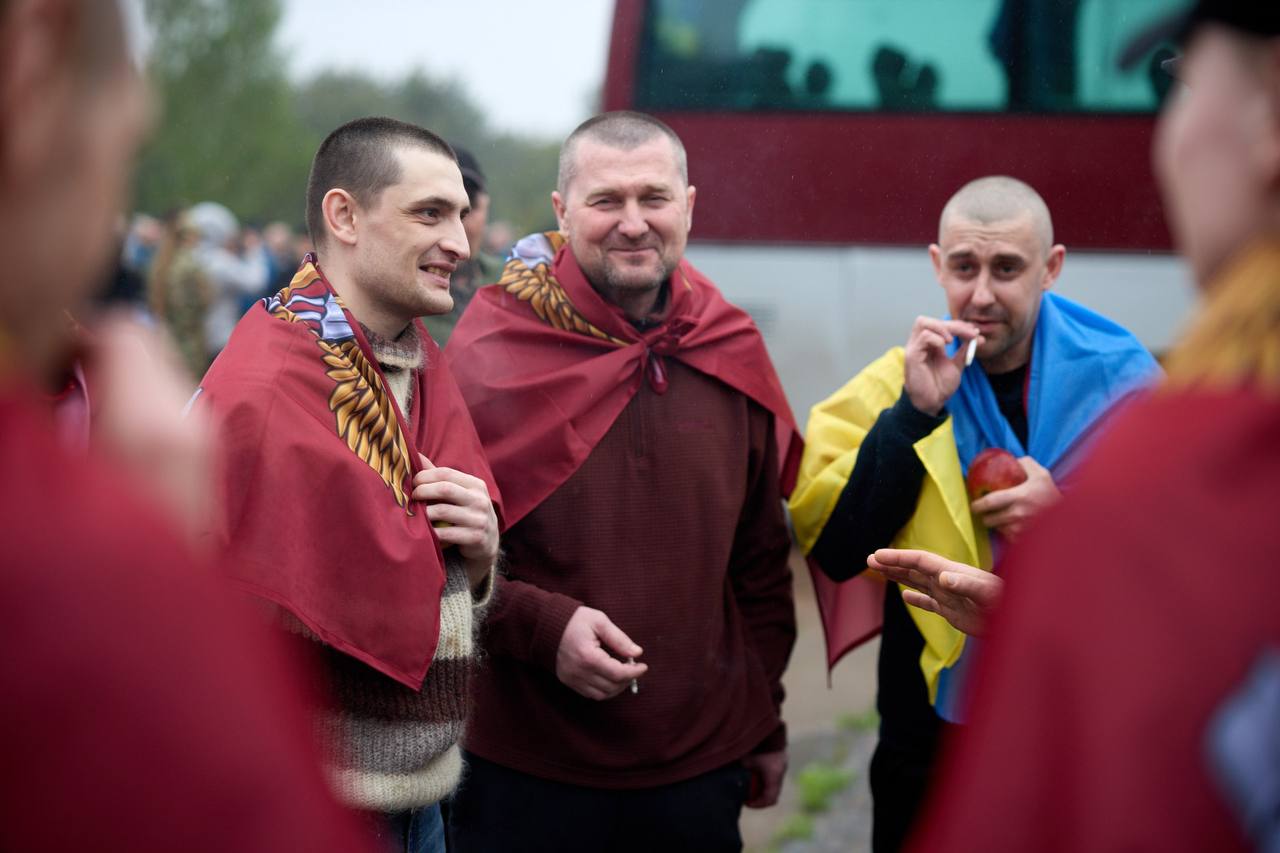
Four years in captivity, from Mariupol to Chornobyl
The defenders had fought across nearly every front of Russia's 2022 invasion. Most were captured during the defense of Mariupol and the Azovstal steelworks, where Ukrainian forces held out for nearly three months against a Russian siege before surrendering in May 2022.
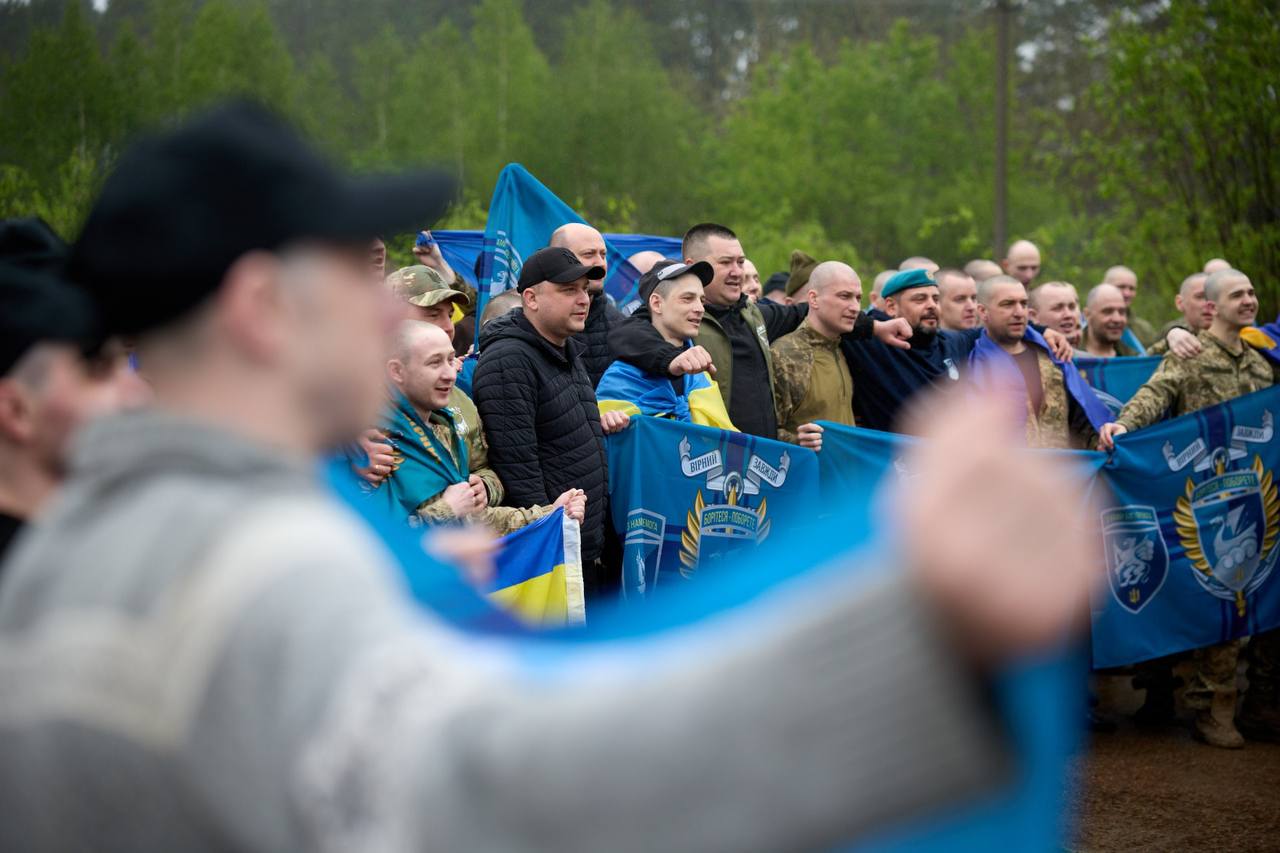
Others were captured on the Donetsk, Luhansk, Kharkiv, Kherson, Zaporizhzhia, Sumy, and Kyiv directions. Among those freed today was one National Guard member taken at the Chornobyl Nuclear Power Plant, which Russian forces seized in the opening hours of the invasion before withdrawing weeks later.
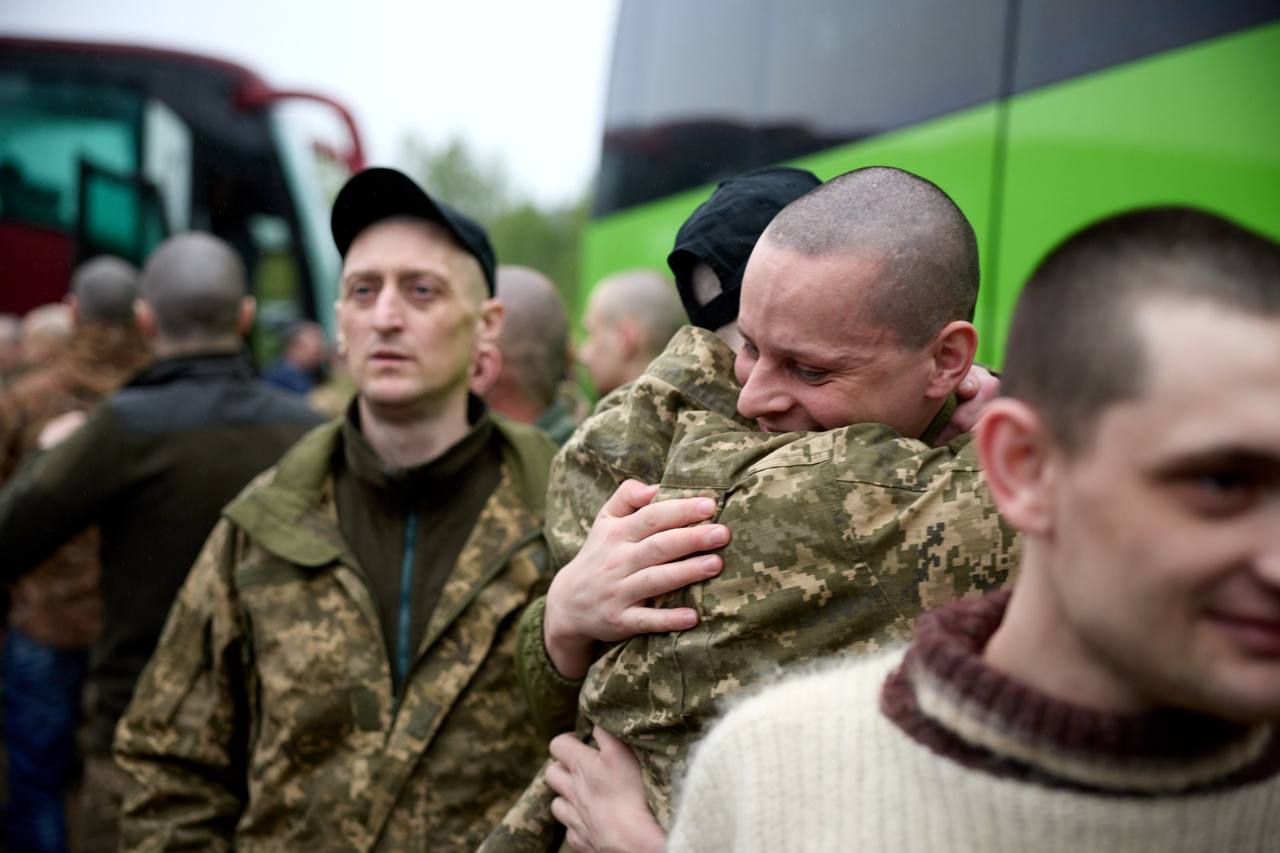
The Coordination Headquarters noted that the duration of captivity remains the key principle for forming exchange lists under the 1000-for-1000 framework.
The defenders will undergo medical examinations, treatment, and rehabilitation, and will receive identification documents and due monetary payments. Long captivity has affected the health of the returned defenders, who carry injuries and illnesses requiring proper treatment, Klymenko said.
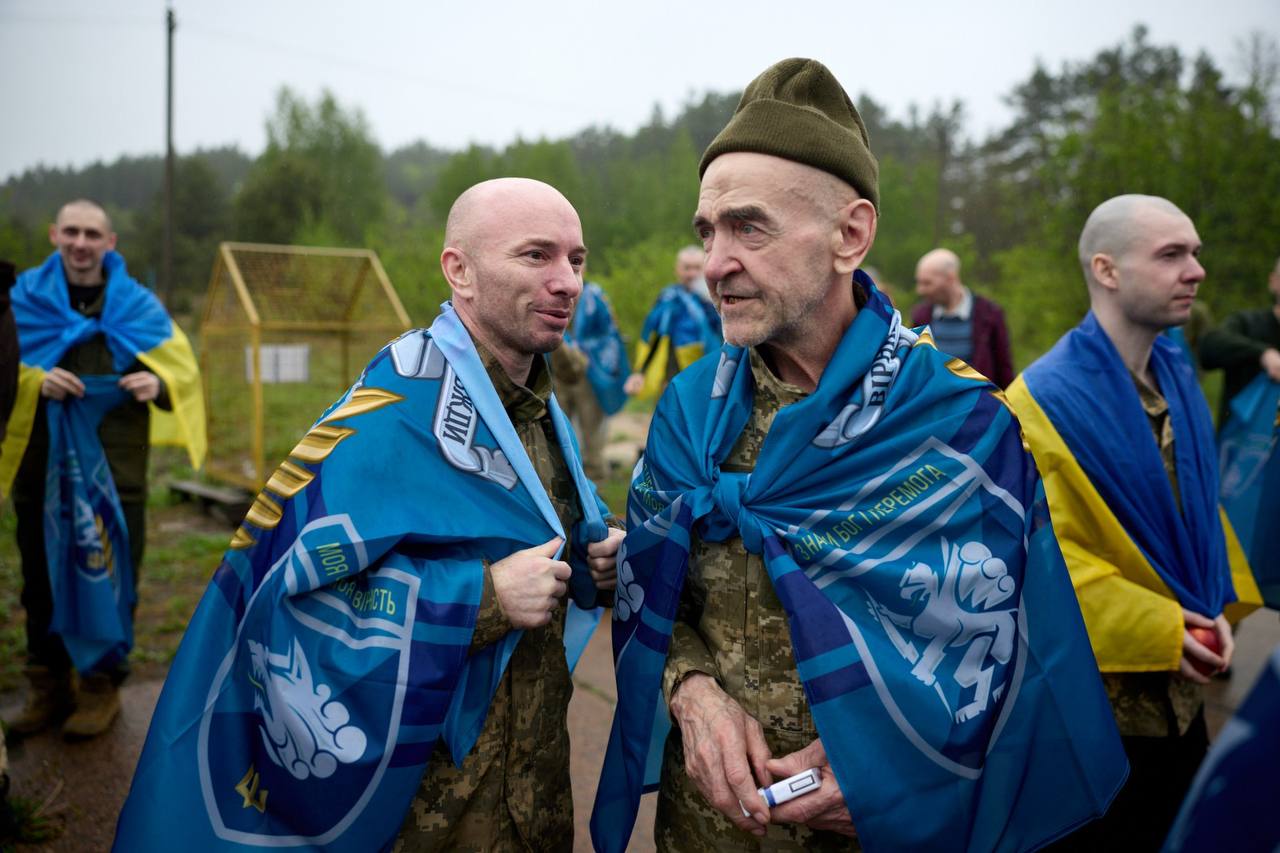
The Coordination Headquarters said subsequent stages of the 1000-for-1000 exchange are in preparation, alongside work on implementing other prior agreements.
Read also
-
Russia resumes diesel exports to Türkiye, Brazil, after Trump lifts sanctions on fuel supplies, boosting Moscow’s war revenue – Reuters
-
South Korea will pull staff from Kyiv over North Korean POW handover made public at the UN
-
US restores ballistic missile warnings to Ukraine after a week without advance notice before Russian attacks, Zelenskyy says


