


Six brand new passenger train cars rolled into Kyiv on 27 April from the Kryukiv plant in Kremenchuk—the first tranche of a 100-car order worth roughly 6.5 billion hryvnia ($147 million) under a state-budget contract, Vice Prime Minister for Restoration Oleksii Kuleba wrote on Telegram.
Deliveries will continue in stages through May 2028, with 60 cars due by year-end. They enter service tomorrow on a new flagship long-distance train. The state-owned company receiving them, Ukrzaliznytsia, has been in default on $1.06 billion of eurobonds since late January, and saw its restructuring offer rejected by creditors two weeks ago.
Russian strikes damaged 239 passenger carriages, 209 locomotives, and 371 cargo railcars; cash reserves have fallen to $273 million from $319 million.
Across the same four months, Russian strikes damaged 239 passenger carriages, 209 locomotives, and 371 cargo railcars; cash reserves have fallen to $273 million from $319 million.
The damage figures appeared in coverage of the bondholders’ refusal: Ukrzaliznytsia had proposed a 20 percent cut in the principal owed, with future repayments linked to how much freight the railway hauls; creditors rejected the offer because the railway’s pressures stem “primarily from insufficient tariffs set under the Ukrainian regulatory framework,” not from the war alone.
Euromaidan Press counted around 1,200 strikes on Ukrainian rail in 2025 alone—more than the previous two years combined.
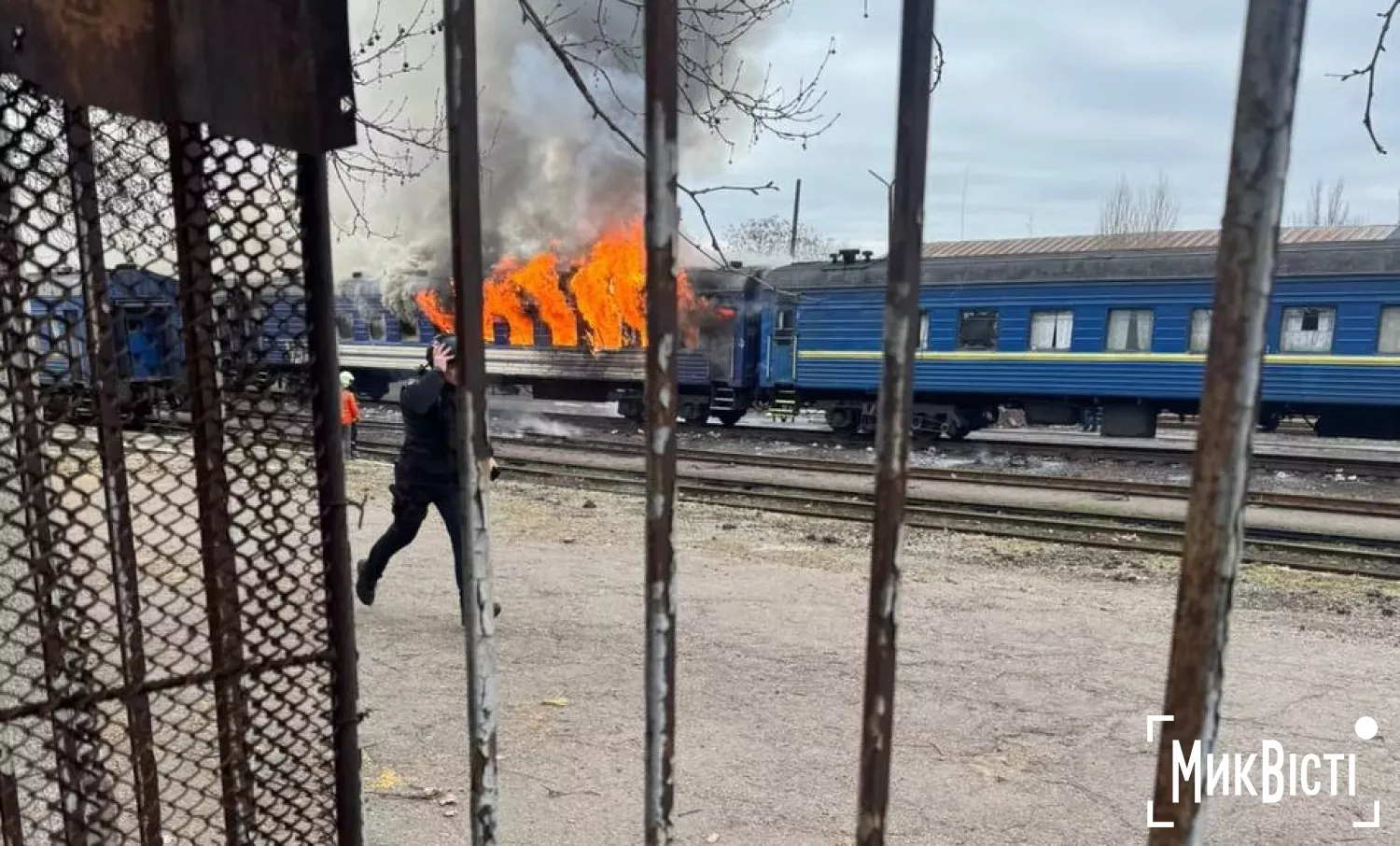
Russia struck Ukraine’s railways 1,200 times in 2025 – more than the previous two years combined

What’s in the order
The 100 cars include 88 sleeper compartments, 7 wheelchair-accessible “inclusive” cars, and 5 next-generation cars with a 20-year-extended service life, Prime Minister Yulia Svyrydenko wrote on Telegram. New berths, air conditioning, baby-changing tables, child play areas, accessibility ramps, and batteries that allow the temperature to be set before passengers board.
The build involves more than 150 Ukrainian firms now making sleeper-car components.
The build involves more than 150 Ukrainian firms—several of them factories that relocated from frontline regions, set up again, and are now making sleeper-car components in someone else’s oblast. Supporting over 10,000 jobs in all.
The pattern echoes earlier this month, when France’s Alstom selected Ukrainian manufacturers from seven oblasts to supply components for 55 freight locomotives—the largest such contract in the railway’s history.

The default and the books
Trending Now
Fitch declared Ukrzaliznytsia in Restricted Default in late January. CEO Oleksandr Pertsovskyi told reporters in November the company must cover a 48.8 billion hryvnia ($1.1 billion) liquidity gap in 2026 and projects a 28.64 billion hryvnia ($650 million) net loss for the year, with the only realistic path combining internal cuts, tariff hikes, and state subsidy.
The state has reserved 16 billion hryvnia ($363 million) to cover passenger transport losses in 2026, up from 13 billion ($295 million) last year.
An MP’s December critique
The bondholders were not the first to question the math. When the Verkhovna Rada passed the 2026 budget in December, MP Nina Yuzhanina called the bill “shameful,” arguing the army was again being funded below 2025 levels while the government rolled out popular spending programs.
“Ukrzaliznytsia—with 7.19 billion hryvnia in losses over nine months and billion-hryvnia subsidies—is now supposed to ‘fund’ free trips?”
Yuzhanina—a member of the Finance, Tax and Customs Policy Committee from the opposition European Solidarity faction—focused on one in particular: the “UZ-3000” winter program giving every Ukrainian 3,000 free kilometers of rail travel, a program Volodymyr Zelenskyy announced on 1 November 2025 and funded, per the Cabinet implementing resolution of 2 December, through dynamic pricing and tariff hikes for premium-class passengers.
“Ukrzaliznytsia—with 7.19 billion hryvnia in losses over nine months and billion-hryvnia subsidies—is now supposed to ‘fund’ free trips? This is again a story about PR and promises instead of accountability and real solutions,” Yuzhanina wrote on 3 December.
Yuzhanina called the budget shameful.
The 7.19 billion hryvnia figure she cited—around $163 million—matched the railway’s own net loss for the first nine months of 2025, confirmed to the Verkhovna Rada the same week by Ukrzaliznytsia’s deputy supervisory board chair Serhii Leshchenko.
Yuzhanina called the budget shameful in December. Fitch declared Restricted Default in January. The bondholders refused the offer in April. The next 54 cars are due by year-end. The default is three months old.


