


Ukraine is drafting sanctions on transporters and buyers of Russian-stolen Ukrainian grain after a second vessel was allowed to reach Israel in two weeks, with President Volodymyr Zelenskyy putting the diplomatic blame on the buyer state
"In any normal country, purchasing stolen goods is an act that entails legal liability," Ukrainian President Volodymyr Zelenskyy posted on social media on 28 April. "This applies, in particular, to grain stolen by Russia. Another vessel carrying such grain has arrived at a port in Israel and is preparing to unload. This is not — and cannot be — legitimate business."
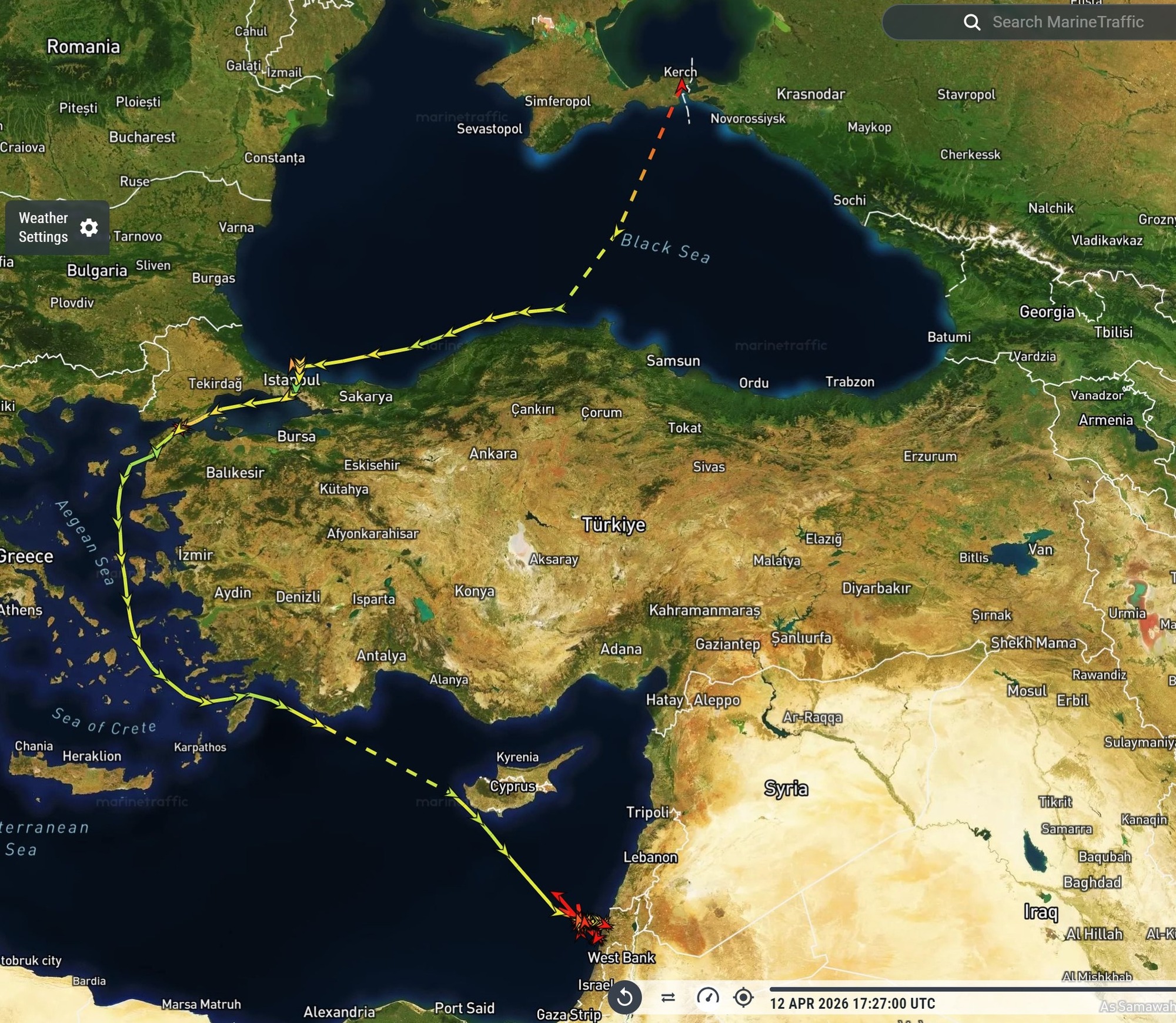
The statement followed the arrival in the Haifa Bay of the Panormitis, the second Russian-stolen-grain vessel allowed to reach Israel, which Ukraine has protested in two weeks.
"The Israeli authorities cannot be unaware"
Russia is "systematically seizing grain on temporarily occupied Ukrainian land and organizing its export through individuals linked to the occupiers," Zelenskyy said.
"Such schemes violate the laws of the State of Israel itself."
He added that the Israeli authorities "cannot be unaware of which ships are arriving at the country's ports and what cargo they are carrying," and said Ukraine had taken all necessary diplomatic steps to prevent the incident.
Sanctions package coming, EU coordination next
"Based on information from our intelligence services, Ukraine is preparing a relevant sanctions package that will cover both those directly transporting this grain and the individuals and legal entities attempting to profit from this criminal scheme," Zelenskyy said.
Kyiv will also coordinate with European partners to get the same individuals included in EU sanctions regimes, he added. The EU's 20th sanctions package, adopted on 23 April, already restricts four foreign institutions accused of helping Moscow bypass sanctions and targets entities in third countries supporting Russia's war.
Trending Now
Haaretz: EU mulls Israeli listings
The European Union is mulling sanctions on Israeli individuals and entities aiding Russia in circumventing international sanctions and demanding information from Israel on the Russian-stolen Ukrainian wheat being imported, EU foreign affairs spokesman Anouar El Anouni told Haaretz on 27 April, according to the outlet's report following its own Sunday investigation into the trade.
The EU "has taken note of the reports that a Russian shadow fleet vessel carrying stolen Ukrainian grain has been allowed to unload at Haifa port in Israel, and that despite previous contacts of Ukraine with Israeli authorities on the subject," Anouni said. He added that the bloc is requesting additional information from Israeli authorities and is ready to list individuals and entities in third countries if necessary.
The diplomatic exchange
On 27 April, Israel's Foreign Minister Gideon Sa'ar earlier rebuffed the diplomatic protest of his Ukrainian counterpart Andrii Sybiha on X, writing that "diplomatic relations, especially between friendly nations, are not conducted on Twitter or in the media" and that "allegations are not evidence."

Ukraine summons Israeli ambassador — for second Russian stolen-grain vessel to reach Haifa
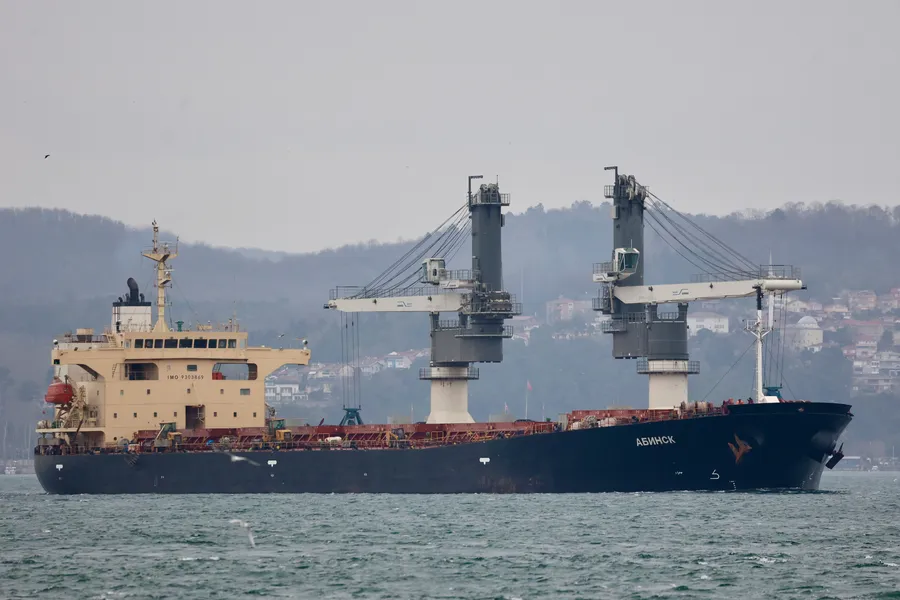
The Ukrainian MFA released a chronology that contradicts Sa'ar's "no request for legal assistance" line, documenting over a month of Ukrainian appeals — ambassador-level notes, a minister-to-minister call, and a 15 April formal request for international legal assistance with a court decision on a preventive measure against the Abinsk — that Israel ignored, finishing the Abinsk unloading ahead of schedule that same day and waving through the Panormitis approach two weeks later.
Read also
-
“A warning to companies that remain”: Russia takes control of Nestlé and Auchan’s assets – companies that stayed in Russia following the full-scale invasion of Ukraine
-
“I can travel back to Finland and be safe. That is a luxury”: Sanna Marin on the Russian strike that stopped her train from Kyiv
-
Ukraine put its own peace proposals on the table as two US envoys reached Kyiv for the first time


