


Following his party's defeat, Orbán's exit from the EU Council opens a vacancy his allies and successors are already lining up to fill, Politico analyzed on 15 April. The outlet identified five leaders most likely to pick up his role as the bloc's chief obstructionist on Ukraine funding and Russia sanctions — with Slovakia's Fico the most immediate threat.
Fico: the most dangerous successor
Slovak Prime Minister Robert Fico stands alone as the Kremlin's closest — and perhaps last — remaining friend inside the EU now that Orbán is gone. He explicitly threatened in March to take Hungary's place blocking Ukraine's €90 billion EU loan if Orbán lost the election. Orbán has now lost.
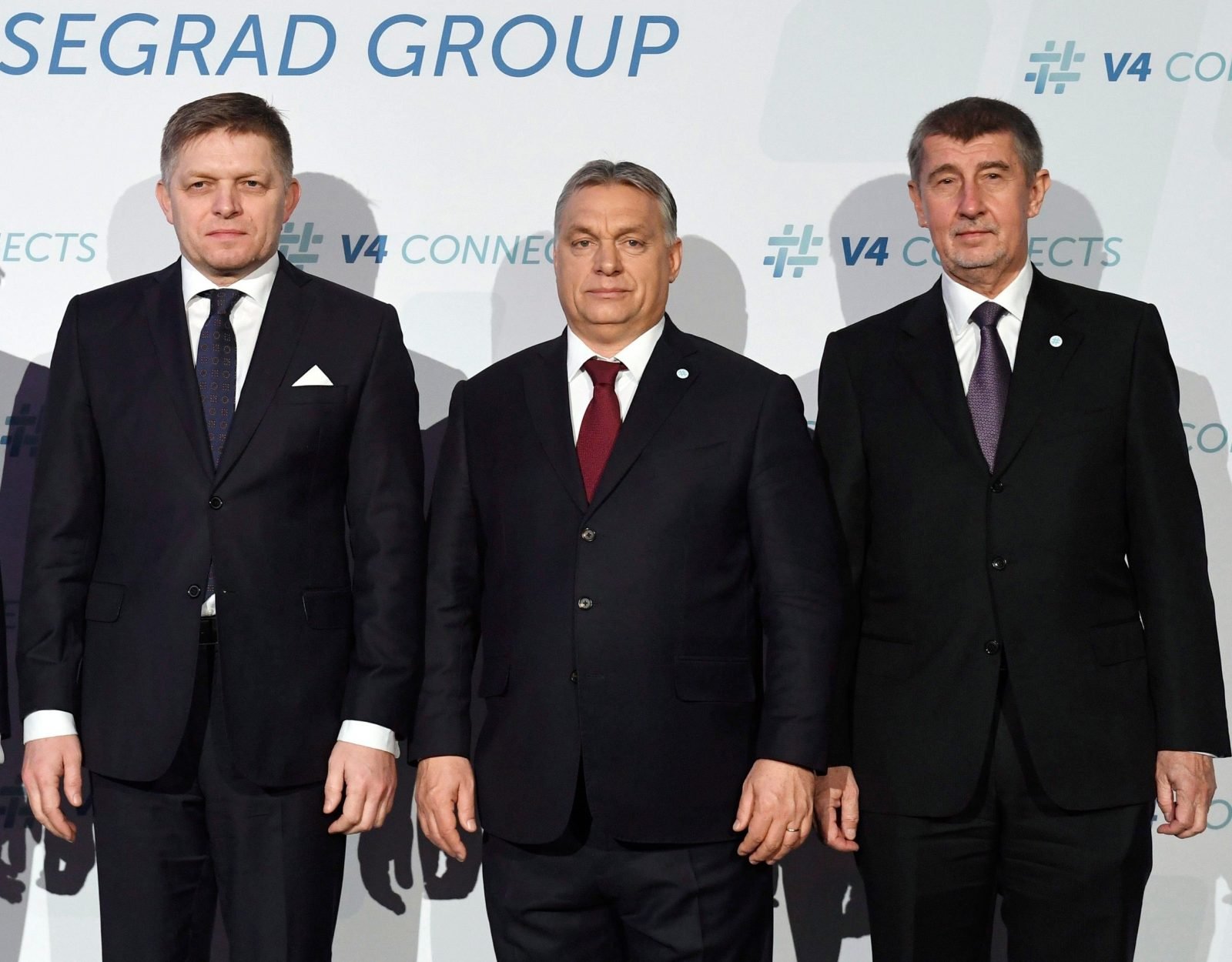
The key question, Politico said, is whether Fico follows through. The Slovak PM has previously always backed down on sanctions and joined EU joint statements supporting Ukraine. But his March threat was unusually explicit, and the pipeline dispute between Kyiv and Budapest-Bratislava — which Fico used as a pretext for the threatened veto — remains unresolved. Ukraine's President Zelenskyy said the Druzhba pipeline would not be repaired until the end of April.
The other four
Politico identified four more potential disruptors:
Czech PM Andrej Babiš — dubbed the "Czech Trump" — was the only EU leader besides Orbán and Fico to demand a carveout from the €90 billion Ukraine loan, and has called for scaling back support to Kyiv, though he stopped short of scrapping Czechia's ammunition initiative.
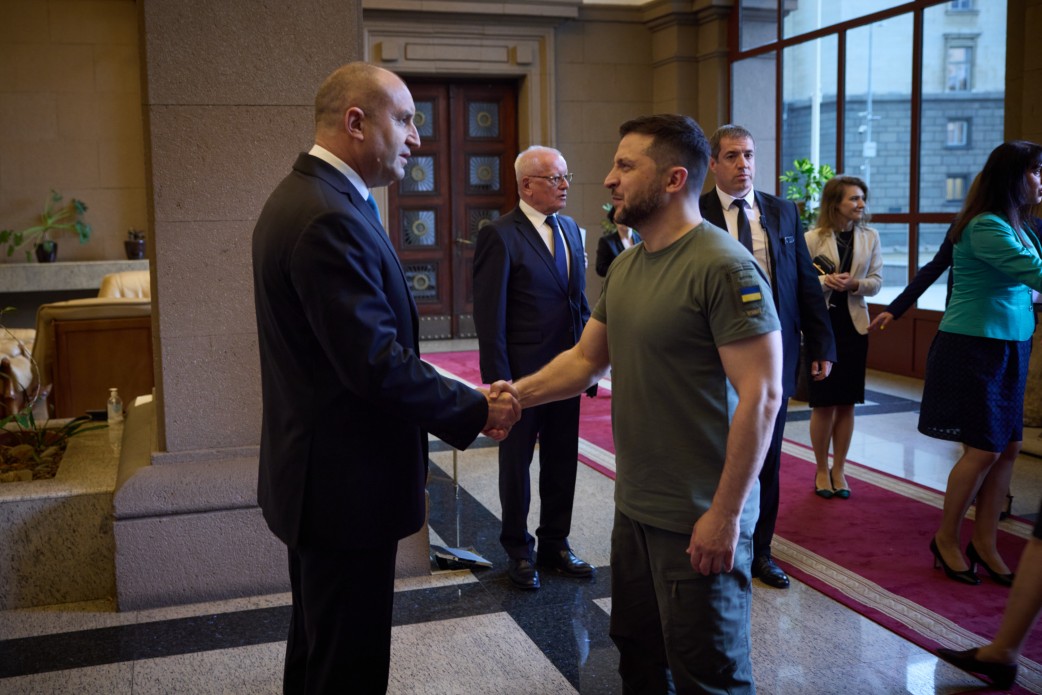
Bulgaria's Rumen Radev, Politico's wildcard, declared Ukraine "doomed" in 2025 and blamed European leaders for encouraging the counteroffensive, earning a televised rebuke from Zelenskyy in 2023. His new party leads Bulgarian polls ahead of Sunday's elections.
Trending Now
Slovenia's former PM Janez Janša — who came second by one seat in last month's election and may yet form a government — is a right-wing Trump admirer who could add to the EU's populist bloc — but notably differs from Orbán on Ukraine, having visited Kyiv in 2022 and championed its EU membership. Whether he forms a government remains unclear after a one-seat margin in last month's election.
Italian PM Giorgia Meloni has avoided outright obstruction but told EU leaders at the March summit that she "understood" Orbán's position on the Ukraine loan. An EU diplomat told Politico there is an "ideological link" between Meloni and Orbán that should not be dismissed.
Brussels is cautious
"My impression is that the political business model of being a systemic and structural disrupter broke down with Fidesz's severe election defeat," one EU diplomat told Politico.
But another warned the right-wing leaders would be "difficult on certain items" — especially when "compared to mainstream thinking among other European leaders."
President of the European Commission Ursula von der Leyen moved quickly after Orbán's defeat to push for qualified majority voting in EU foreign policy, removing the unanimity requirement that gave one member state veto power. But any such change would require agreement from the very governments most likely to resist it.


