

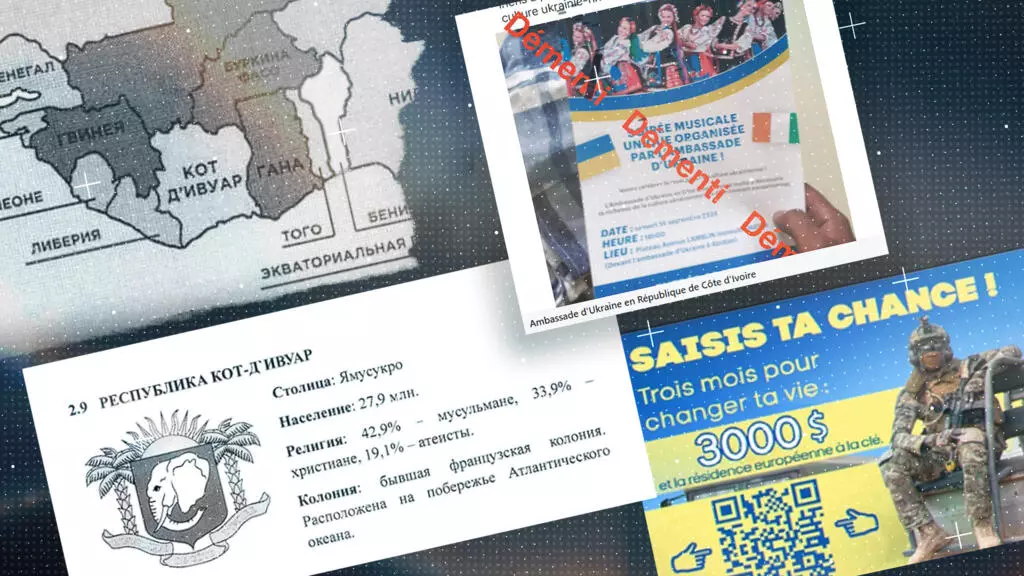
A Russian disinformation network known as "the Company" ran four covert influence campaigns in Côte d'Ivoire between May and September 2024, according to France 24. Three of those targeted Ukraine's newly opened embassy in Abidjan with fake army recruitment flyers, fabricated cultural events, and hundreds of paid articles placed in West African media outlets. The operation is documented in 76 leaked internal Company documents analyzed by an international consortium of investigative outlets, including France 24 Observers, The Continent, Forbidden Stories, All Eyes On Wagner, and RFI.
The Company and its Africa operation
The Company was originally founded and run by Yevgeny Prigozhin, the Wagner Group financier killed in a plane crash in August 2023. After his death, the network came under the auspices of Russia's SVR foreign intelligence service. The Company operates out of St. Petersburg, employs around 90 specialists, and runs influence operations in nearly 30 countries across Africa and Latin America.
A 2023 internal document laying out the Company's "Africa Project" listed the Ivory Coast as a "promising country in which to launch operations."
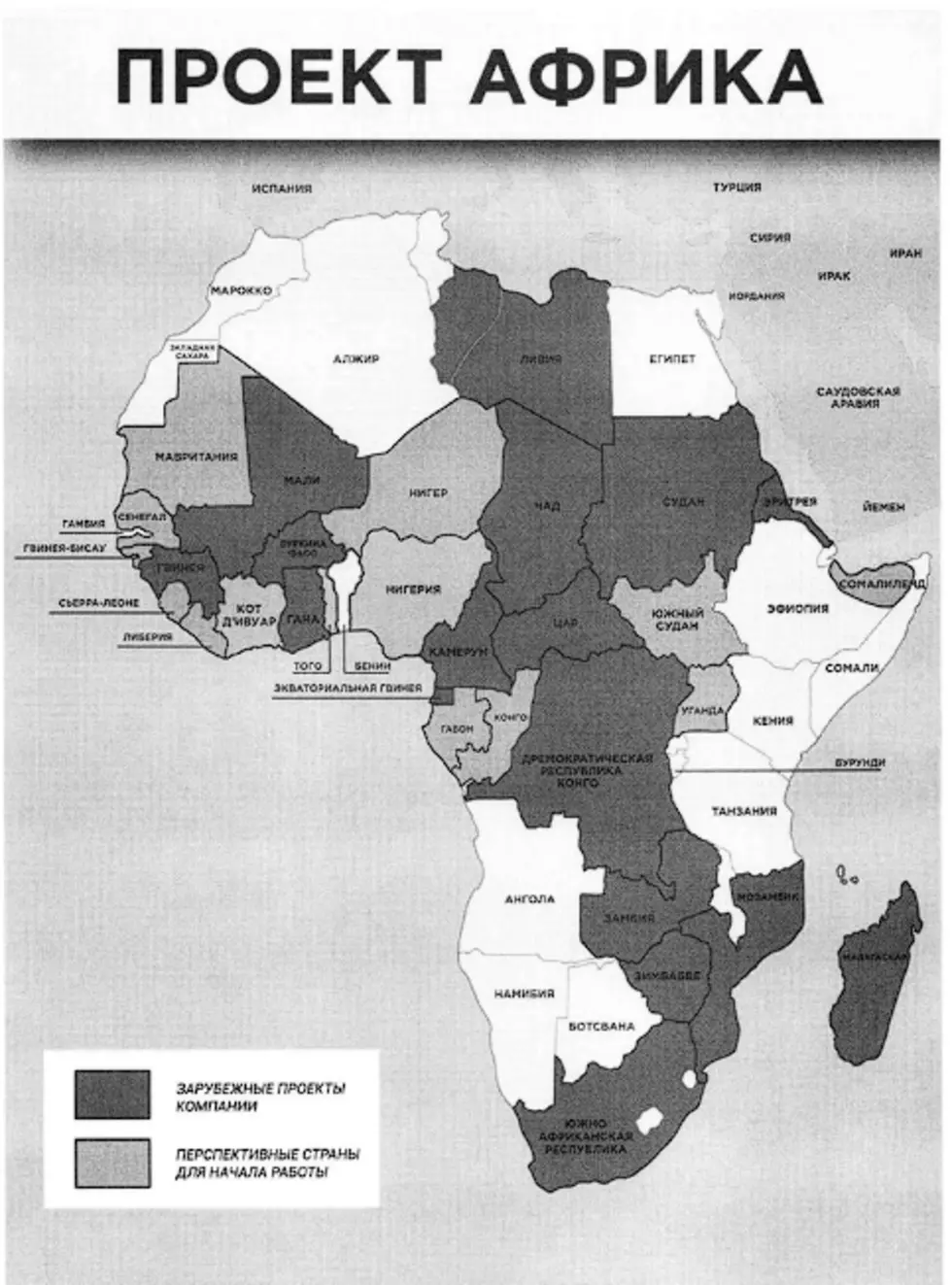
The country's stated offense in Moscow's eyes: it sides with the EU "on all international resolutions concerning the Ukrainian question." The Company's goal in Ivory Coast was to discredit French and American influence and shift local public opinion against Kyiv.

It had been operating in the Central African Republic since 2018, and has since expanded to Mali, Burkina Faso, and Niger — the three countries that formed the Alliance of Sahel States in 2023.
Four operations in five months
Ukraine's embassy in Abidjan opened in April 2024. Less than a month later, the Company's first campaign against it began. Between May and September 2024, the network ran four influence operations targeting Ivory Coast, three of them explicitly directed at the Ukrainian embassy.

Ukraine is developing first-ever Africa strategy, Budanov announces. Russia already has fighters from 36 African countries fighting in Ukraine
Launched in May 2024, the first campaign falsely claimed Ukraine’s embassy was recruiting Ivorians to fight in Ukraine. Yellow-and-blue flyers circulated online and, according to the Company’s internal documents, appeared in Abidjan, offering a $3,000 bonus and European residency. The embassy denied any involvement and said it had seen no sign of the flyers in Abidjan.
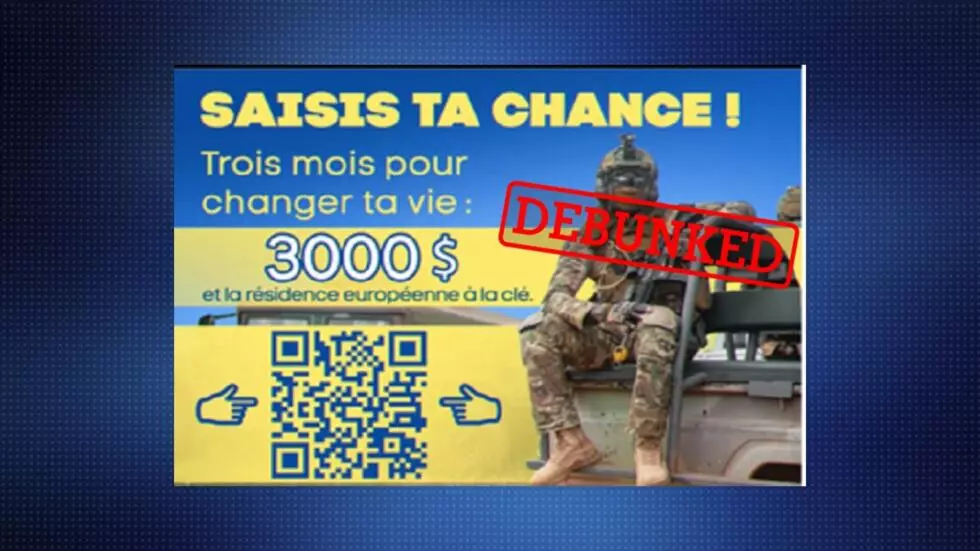
In July 2024, the Ghanaian news site GhanaWeb published an article claiming the recruitment flyers had been spotted in the streets of the Ivorian capital. The article was published in a paid promotional space. The Company's internal financial documents show it paid $700 for the placement — more than double the $250 GhanaWeb charges for such space.
Trending Now
In September 2024, a fake invitation to a "music evening organized by the Embassy of Ukraine in Côte d’Ivoire" spread widely on Facebook and WhatsApp. The embassy denied the document's authenticity.
Paid placements across West Africa
Alongside its social media operations, the Company systematically paid for the placement of 49 articles targeting Ivorians in 22 media outlets between May and October 2024. According to its internal documents, the campaign was part of Project Magadan— a Prigozhin-era operation that the Company continued running — and cost $39,800 in total, or about $631 per article.
Over 1,000 Kenyans lured into Russia’s war in Ukraine, 50+ Ghanaians killed there — three governments confirmed it, none confronted Moscow
A broader dataset from the leaked documents shows nearly 650 articles placed across 35 West African French-language outlets between June and October 2024, at rates of $250 to $700 per placement. Some outlets were paid directly. Others received free pre-written articles through intermediaries.
One Ivorian journalist who published 18 of the Company's articles told the investigative team he had no idea they came from a Russian intelligence operation.
Russia’s Africa Corps fighters killed in Mali ambush amid accusations of civilian killings
Marc-André Boisvert, an analyst with Cronos Europe, explained why this model works in Ivory Coast: some local newspapers take outside articles to fill pages once they have covered their preferred politicians.
Limited real-world impact
Experts interviewed by the consortium doubted the campaigns had much effect. Ivorian factchecker Mohamed Kebe said the fake recruitment story generated “a lot of noise” online, but he never saw the alleged street flyers. Analyst Boisvert said the operations drew “very little reaction” and had “no significant impact on Ivorian opinion,” suggesting they were aimed more at the Sahel states than at Ivorians, to paint Ivory Coast’s government as being on the wrong path.
Read also
-
“Russia spreads violence wherever it sets foot”, Ukraine says after Bucha-style atrocities from “white men” revealed in Mali
-
Signed up to kill in Africa, refused to die in Ukraine: Russia’s Africa Corps recruit flees to Philippines after GRU unit rerouted him to the front
-
Ukraine rebukes Africa’s ECOWAS official, who repeated anti-Ukrainian propaganda at Sochi forum


