

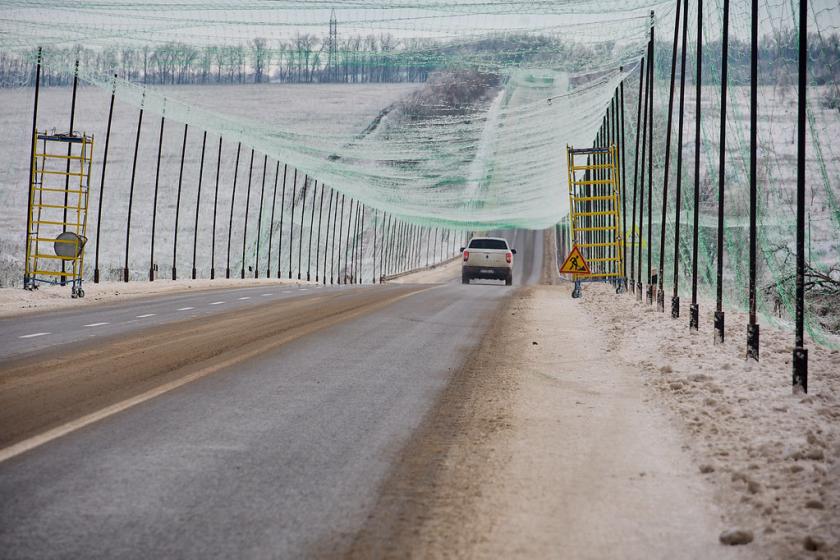
Italy's Senate has hosted a presentation of legislation that would create a formal state mechanism for channeling decommissioned fishing nets to Ukraine, where they are already widely used to shield roads from Russian drones, according to Ukrinform. The bill's supporters argue it could set a precedent for other European countries to formalize what has so far been a volunteer-driven effort.
Italy's Senate takes up the net question
Senator Ivan Scalfarotto authored the bill, which received support from Senator Silvia Fregolent and other Italian politicians who attended the presentation. The initiative would encourage businesses to transfer decommissioned nets rather than dispose of them, relieving companies of the cost burden and creating a supply channel to Ukraine.
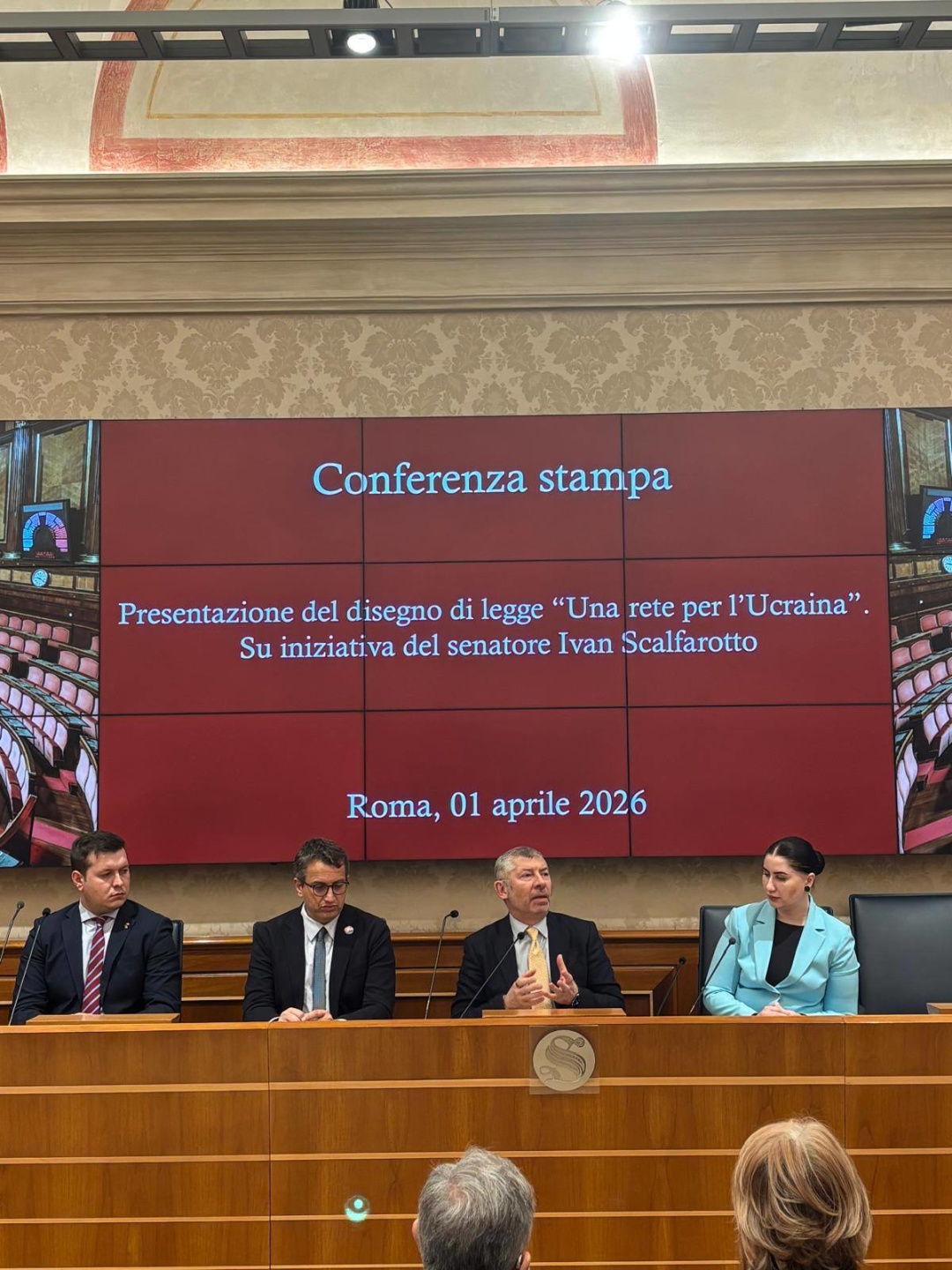
Dmytro Shchukin, president of the Network of Associations for Ukraine (NAU), who took part in the event, told Ukrinform the bill represents something broader than a logistics fix.
"This draft law is an example of how a simple solution can save lives," he said. "The Italian initiative creates a mechanism that will encourage businesses to transfer decommissioned nets instead of disposing of them. If adopted, it could set an important precedent for other European countries, establishing a new practice of using civilian resources to protect the population."
What the nets actually do
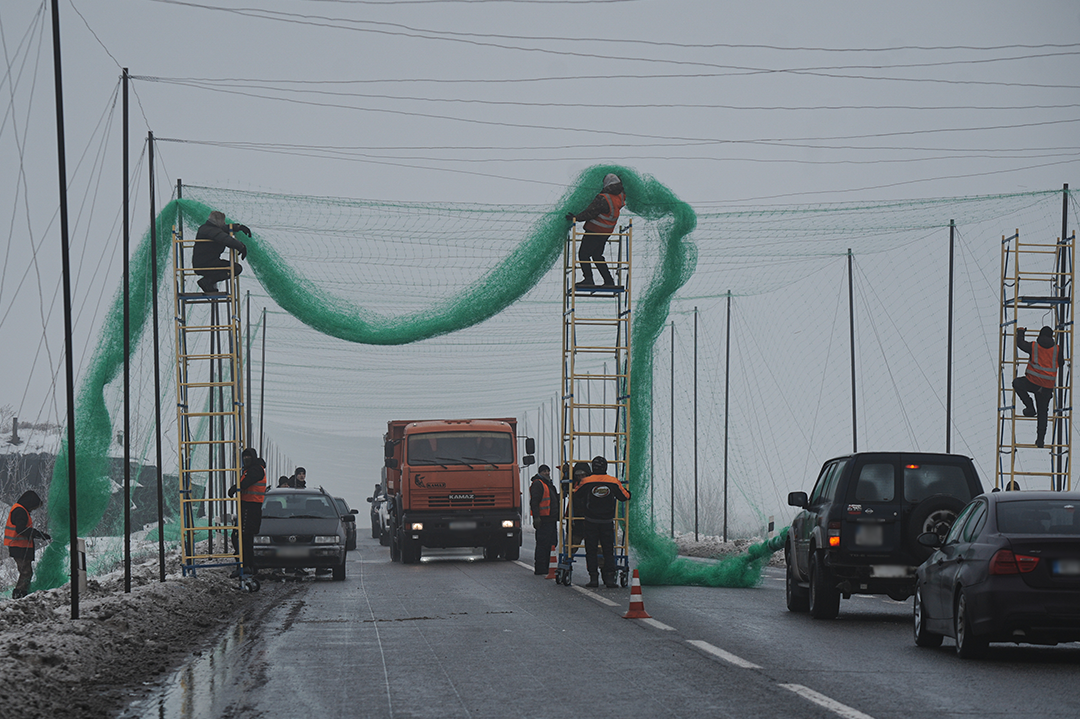
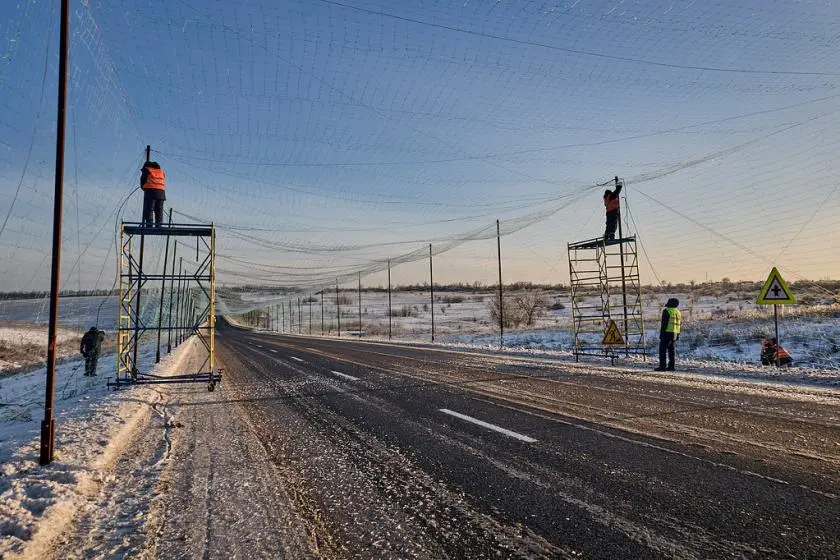
Fishing nets are among the most cost-effective tools in Ukraine's multi-layered drone defense. Stretched between poles over roads, hospital entrances, and vehicle routes, the nets snag drone propellers before the aircraft reach their targets. Ukraine has been scaling up anti-drone tunnel construction at a pace, with installation speed tripling from around 5 km a day in January 2026 to a target of 20 km a day by March. Demand for netting material is substantial and ongoing.
Anna Gordon, president of the Italian-Ukrainian association UaMI, underlined the stakes during the Senate presentation by displaying wreckage from a Shahed drone that landed near her father's home — putting a direct human face on the threat Ukraine's civilians face daily.
From Brittany to Rome
The Italian bill builds on what European fishing communities have been doing informally for over a year. French fishermen from Brittany sent roughly 280 km of nets to Ukraine in two shipments via the charity Kernic Solidarités, and Nordic fishermen in Sweden and Denmark have contributed hundreds of tonnes. Italy's bill would move that model from charity to law, with the state actively incentivizing companies rather than relying solely on goodwill.
Participants at the Senate event emphasized that Italy's national interests and its solidarity with Ukraine are compatible — and expressed hope the bill would win cross-party backing and move toward implementation.


