

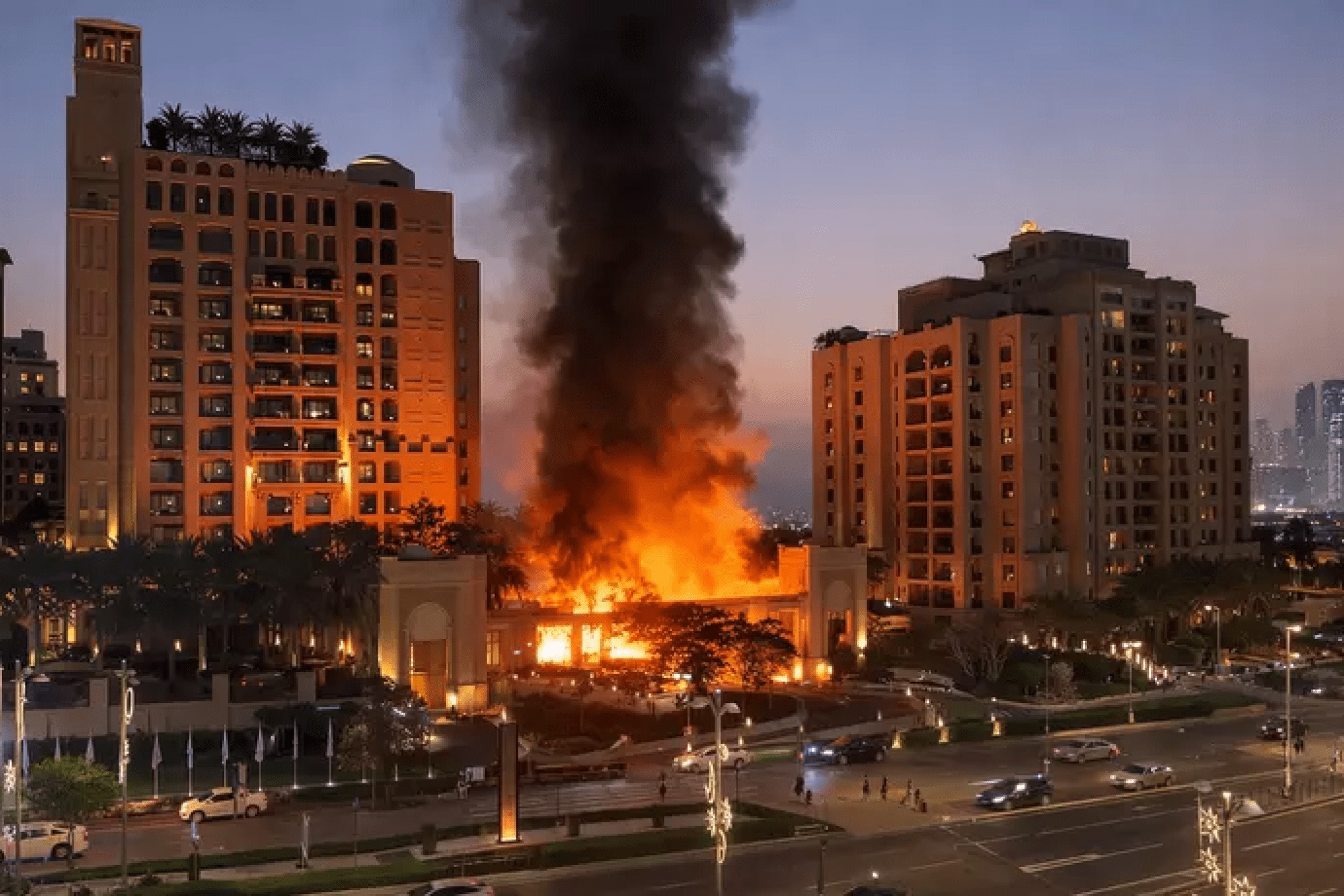
Ukraine is trying to barter with Gulf states, offering its tech and drone war expertise in exchange for anti-ballistic capabilities. For the time being, military exports to these countries remain closed, sources said.
President Volodymyr Zelenskyy on 26 March posted that Ukraine is already working with Saudi Arabia, Qatar, United Arab Emirates, Bahrain, Jordan, and Kuwait, as well as helping the US defend its bases in the Middle East from Iranian attacks. “Our teams are already in place, assessing the situation, sharing invaluable experience,” Zelenskyy wrote.
“Now we are talking about the future supply of some things that Ukraine has. We want the Middle Eastern countries to give us the opportunity to strengthen ourselves,” the president went on to say.
“They have some air defense missiles, of which we are in short supply. We would like to negotiate this.”
Olena Tregub, executive director of the Independent Anti-Corruption Commission, told Euromaidan Press that this most likely refers to Patriot missiles such as the PAC-3. Zelenskyy’s previous comments seem to bear this out.
“As far as I understand, we are talking about barter: the supply of drones and related systems to Middle Eastern countries in exchange for PAC-3 missiles — Ukraine’s only means of shooting down ballistic missiles,” Tregub said.
Ukrainian military intelligence estimated that Russia manufactures at least 70 ballistic missiles per month, including Iskander-Ms and Kinzhals, as well as the heavier Izdelie-30. Patriot batteries are Ukraine’s only weapons against them.
However, convincing Gulf states to let go of their Patriot missiles may be a hard sell. Patriot ammo, already in global short supply, drained quickly as the US and Gulf states fend off Iranian missiles. Taiwan is also stockpiling missiles as it prepares for an invasion from China.
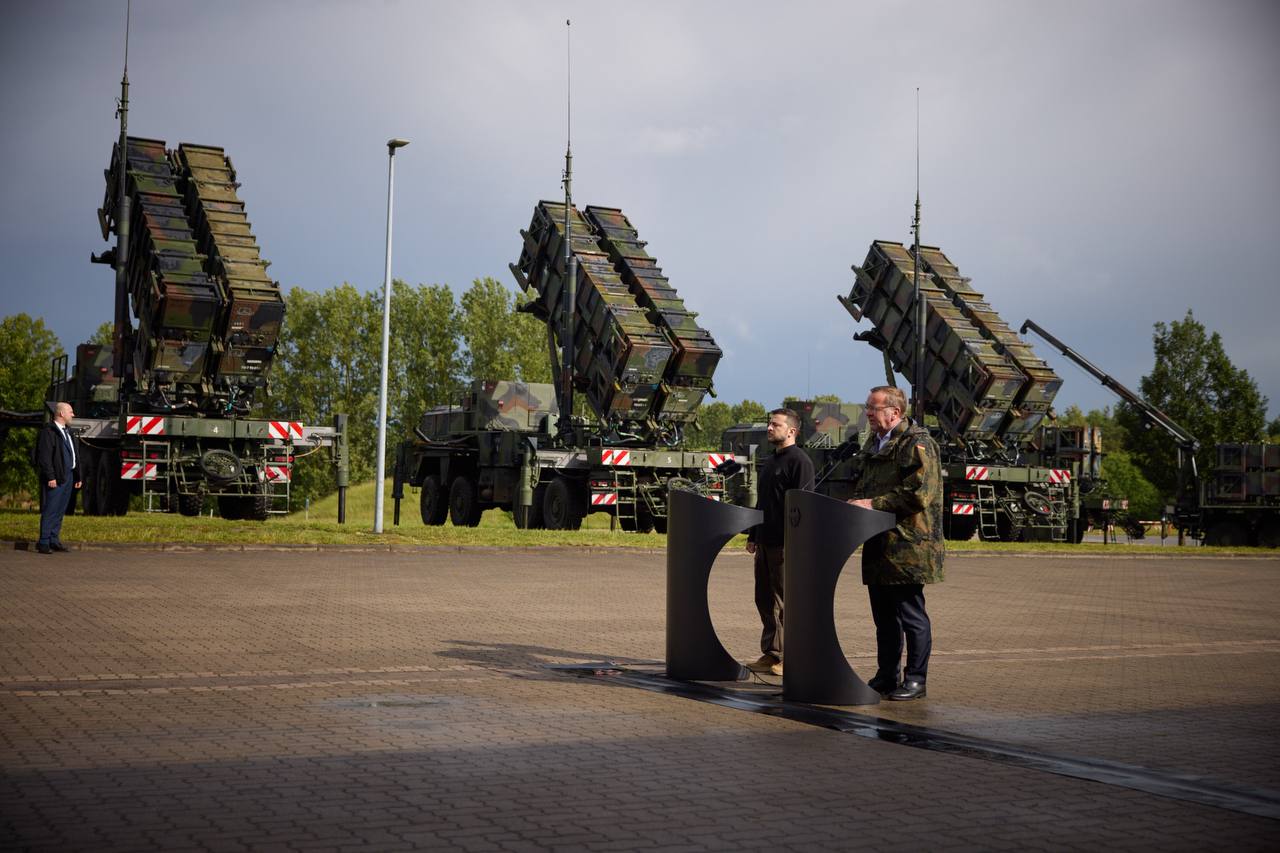
US defense contractors can produce 550 PAC-3 MSE interceptors per year, according to the Department of Defense Fiscal Year 2026 Budget Estimates. The US Army is buying 224 of them, while the remaining amount is slated for foreign sales. There are plans to increase production to 2,000 but that will likely not happen for at least five years.
It’s not yet clear how much of their ballistic protection Gulf states will want to give up, in exchange for better protection from Shaheds.
Middle East exports shuttered for now
Comments from people familiar with the defense industry suggest that the negotiations are still ongoing and exports have yet to open up.
The Export Control Service, the main Ukrainian body responsible for authorizing military exports, didn’t respond to a request for comment by publication time.
Its head, Oleg Tsilvik, told BBC that as of now, “about a dozen” permits issued by Ukraine last year to export military services, tech, and spare parts to the Middle East, are currently active.
However, the Technological Forces of Ukraine, a defense industry group, said that as of early March, weapons exports to the Middle East and Gulf States still remained suspended by order of the service. The review of applications for export licenses to those countries remained halted as well.
An industry source confirmed that for now, there is no legal way to export weapons to the Gulf — Ukrainian drones can only head that way if the military experts sent to support the countries there bring them along.
Speaking to DW, Dmytro Sledyuk, of the Dronarium Academy in Kyiv, predicted demand is likely to peak soon, calling for the government to remove bureaucratic hurdles. He said that quick decisions are needed — interest will wane if the process drags on for over a year.
More work left on legal framework
Ukrainian officials have been vocal about rising global interest in Ukraine’s tools and methods after the Iran war shone a new spotlight on the modern drone war. About a dozen of Iran’s neighbors came to Kyiv for tech and instructions on how to use it, in addition to the US and European countries.
Trending Now
Foreign Minister Andrii Sybiha on 23 March tweeted that Ukraine wants to develop “mutually beneficial partnerships, not only in Europe, North America, and the Gulf, but also in Africa, Asia, Latin America, and other regions.”
Analysts, industry insiders, and news reports broadly agree that demand is there and that Kyiv has much to gain. But Kyiv needs to finish building its export and joint production architecture, to take advantage of this window of opportunity while it remains open.

When Zelenskyy announced Ukraine would open arms exports last year, the status quo was stymied by bureaucratic machinery, plagued by bribery risks, overlapping authorities, and outdated procedures, where any of a half-dozen agencies could stop an export deal.
In January, Ukraine created a legal framework called Defense City to help streamline exports. Companies that join this city — its “residents” — must only wait 15 days after submitting their goods for export approval, compared to 90 days previously. Residents also don’t have to apply for approval for each product individually. Each international export agreement is supposed to be reviewed as a package deal.
However, a source within the Defense Ministry said that this isn’t enough for the exports to flow, and little else has been done since Zelensky’s fall announcement. The source spoke on condition of anonymity, as they are unauthorized to talk to the press.
“We don’t have any updates or systematic changes of export/import procedures or legislation,” they said.
Others are more optimistic about the pace of progress, while acknowledging obstacles. Bogdan Popov of advisory firm Triada Trade Partners said that the export system remains partly constrained by wartime regulations and the legislative framework is “still evolving.”
“That said, the Ukrainian government has been moving quickly to reform the defense industry and export regulations, and there is strong political interest in turning wartime innovation into a long-term defense industry sector,” he said.
Military paranoid about sending experts: source
The deployment of experts to other countries is also challenging for Kyiv to solve.
Experienced drone operators are already needed on the front line, let alone experienced drone operators who speak good English and are proficient trainers. Kyiv will need to decide how to allocate these personnel for domestic needs and international cooperation.
Ukraine also needs to make sure that it remains in the driver’s seat and is the ultimate beneficiary of these arrangements, without giving away any technological or military secrets.
These reasons may be part of why the government and military are paranoid about deploying people abroad, according to a source in the Ukrainian armed forces, also speaking on condition of anonymity.
He said that military officials are worried that deployed personnel may go AWOL to escape the ban on leaving the country, or say too much to the wrong person. As a result, they are reluctant to send their top people, and are arranging painstaking oversight for every foreign training mission.


