
Russia has improved the tactical and technical characteristics of its ballistic missiles. The effectiveness of interceptors in Ukraine has decreased, meaning Kyiv needs more interceptors, said EU Commissioner for Defence and Space Andrius Kubilius, according to Ukrinform.
The EU Commissioner stated that last year, Ukraine faced 2,000 missile strikes, and about 900 of these missiles were ballistic.
The Russians have improved their ballistic capabilities. These missiles can now change their trajectories, making countermeasures less effective, Kubilius reported.
Missile shortage: 2,000 interceptors or a breakthrough in defense
He explained that in this context, intercepting each ballistic missile may require more than one interceptor.
As a result, Ukrainians need about 2,000 anti-ballistic missiles per year, the EU Commissioner said.
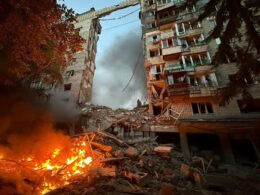
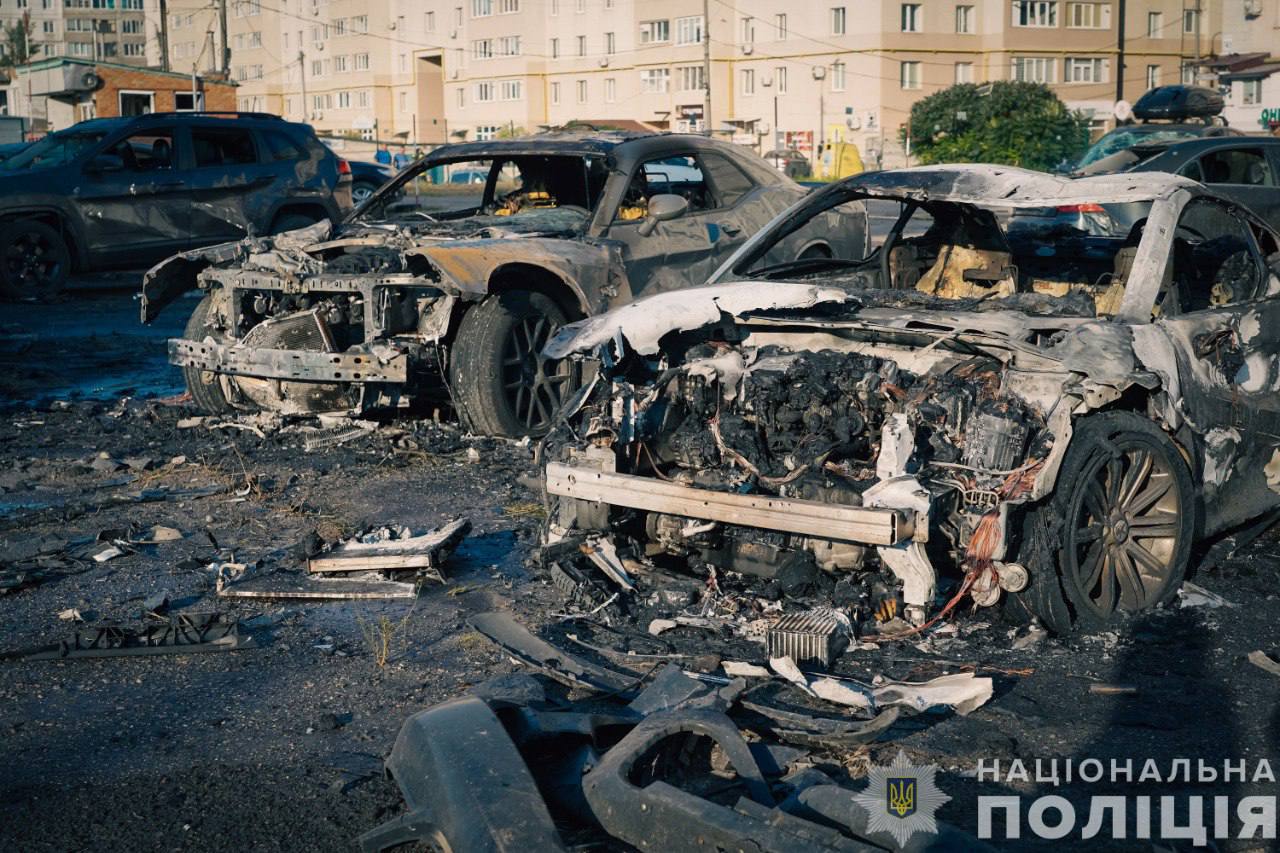
When Russia uses ballistic missiles against cities, even so-called “precision” strikes inevitably affect civilian targets.
A 500-kilogram high-explosive or cluster warhead has devastating power and cannot produce a truly pinpoint effect. A strike on a “target” always means civilian casualties nearby.
400% increase or defeat: Europe faces a survival choice
He recalled the words of NATO Secretary-General Mark Rutte, who emphasized that Europe needs to increase air defense system production by 400 percent. Kubilius added that this defense must be layered and include, among other things, interceptor drones.
He called this a major task for the industry, adding that the EU takes the problem seriously and is determined to achieve results in the near future.
Earlier, President Volodymyr Zelenskyy said Ukraine planned to test whether the European-made SAMP/T air defense system can intercept ballistic missiles later in 2026.
This comes as Kyiv searches for alternatives to the limited number of systems capable of countering Russia’s most dangerous weapon.
According to Zelenskyy, Kyiv is concerned that ongoing conflicts in the Middle East could reduce the availability of air defense systems for Ukraine as countries redirect equipment to other regions.