
A leaked internal report from Russia’s largest oil producer Rosneft reveals the company is struggling to defend its refineries from Ukrainian drone strikes, relying on improvised solutions that engineers admit will not provide reliable protection, according to an investigation by private intelligence firm Dallas.
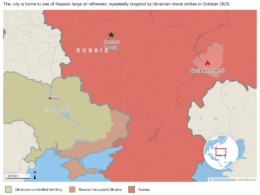
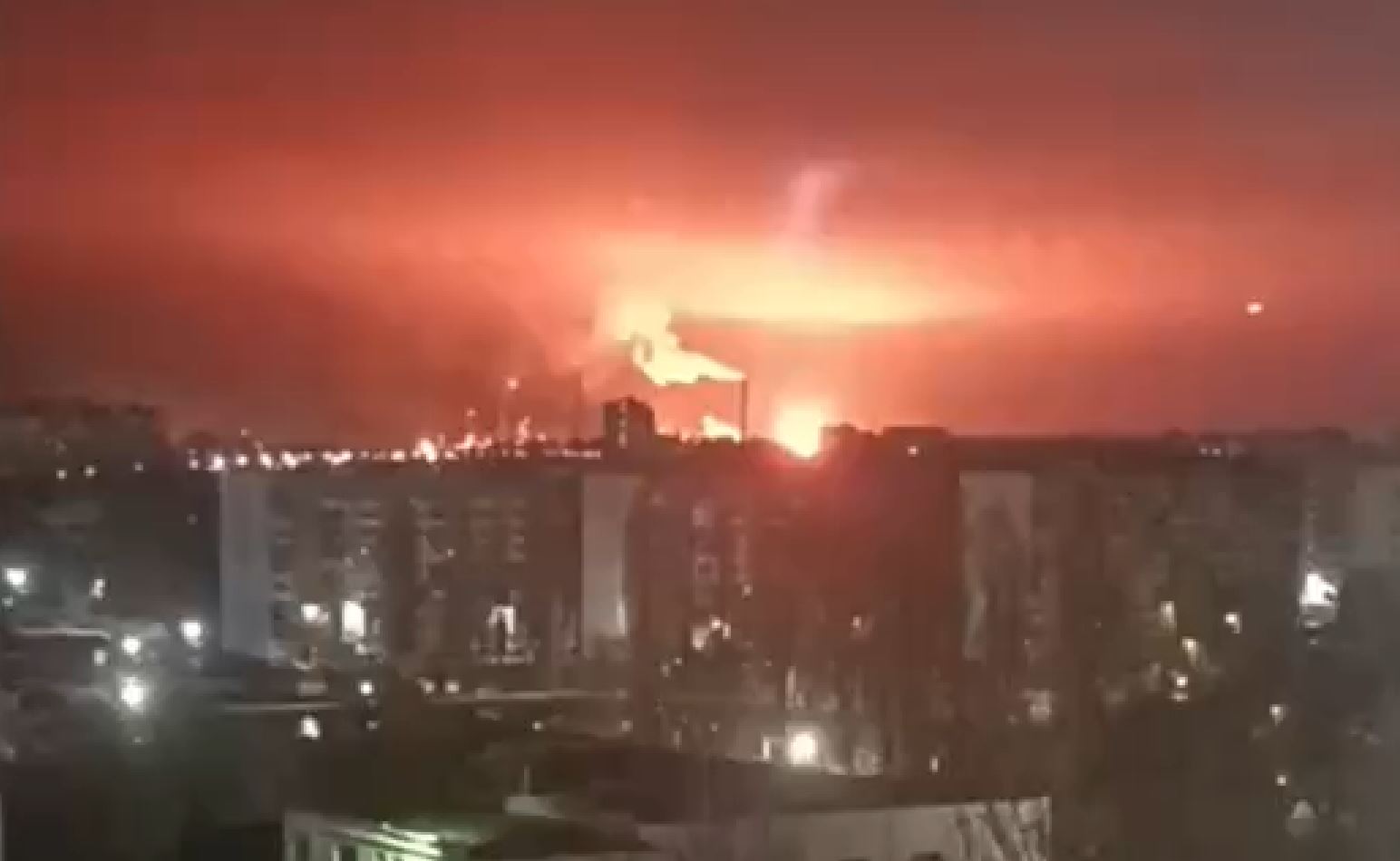
Rosneft, which accounts for roughly a third of Russia’s crude production, plays a central role in financing the country’s war effort. Sustained damage to its refineries directly affects fuel supply chains and state revenues. The company has faced repeated strikes, including multiple hits on its Ryazan refinery and other facilities across Russia over the past two years.
The plan: scaffolding, cables, and shipping containers
The confidential 21-page document outlines plans to shield key energy infrastructure using makeshift barriers such as scaffolding, steel cables, and shipping containers.
However, the report acknowledges a critical limitation: “physical protection… does not guarantee the safety of protected objects” and cannot prevent blast damage or shrapnel impact.
Electronic warfare ineffective against GPS-guided drones
The document shows that Rosneft’s existing electronic warfare systems are largely ineffective against the main threat – long-range Ukrainian drones that navigate autonomously using GPS and do not rely on radio signals. As a result, the company has shifted focus to passive defenses, despite acknowledging their limited effectiveness.
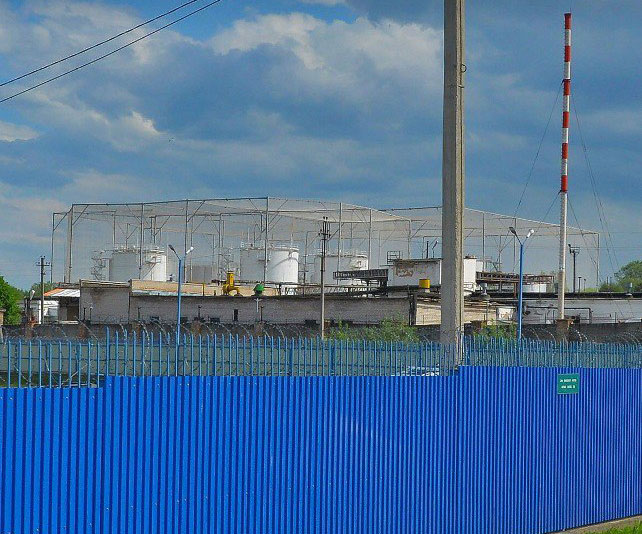
Among the proposed measures are cable nets around fuel tanks, scaffolding cages above refinery units, and large perimeter walls made of stacked shipping containers.
Engineers note significant flaws in each design, including vulnerability to follow-up strikes, lack of resistance to explosions, and impractical construction demands. Some solutions would require thousands of containers per site, while others could complicate firefighting efforts or collapse under weather conditions.
Mitigating damage, not preventing it
The report also proposes supplementary steps such as deploying smoke screens, reducing fuel storage levels, and reinforcing infrastructure with kevlar.
Yet these measures are described as mitigating damage rather than preventing attacks, underscoring what analysts say is a broader admission that strikes cannot be fully stopped.
A blueprint that doubles as a target list
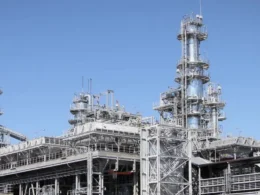
Dallas concludes that the document effectively serves as both a warning and a blueprint, highlighting critical vulnerabilities in Russia’s energy infrastructure. It identifies high-value refinery components – such as distillation units and processing columns – as key targets, while also revealing the structural gaps that drones could exploit.
The findings come as Ukraine continues a sustained campaign against Russian oil and fuel facilities, aiming to disrupt logistics and reduce the revenues funding Moscow’s war.
The report suggests that despite significant resources, even major state companies like Rosneft are unable to fully shield their infrastructure from evolving drone threats.