

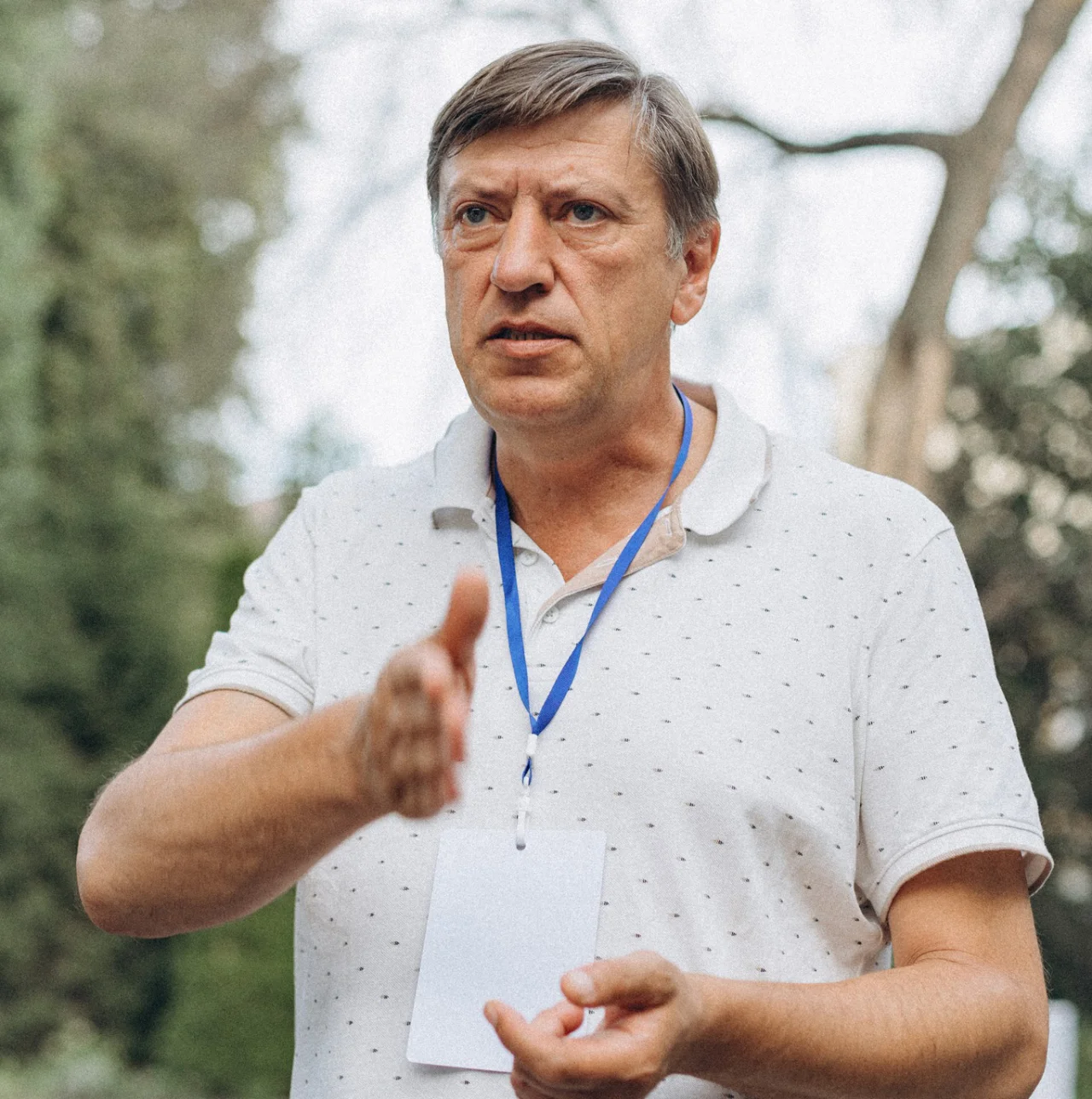
Russia's occupation of Zaporizhzhia and Kherson oblasts took three and a half years to consolidate instead of the nine months Russia anticipated, and required systematic violence, fake informant networks, children recruited as spies, and ultimately the import of Russians from Russia, according to a new interview with Serhii Danylov, deputy director of the Center for Middle Eastern Studies, published by NV. Danylov also warns that Ukraine's own collaboration laws now risk undermining the reintegration they were meant to protect.
Violence as the foundation
Repression began within two weeks of occupation. In some villages, 100% of men aged 16 to 60 passed through detention. Russia dug pits in open fields when basements ran out, holding people there for weeks. Raids were always demonstrative: doors kicked in without warning, everyone on the ground, someone taken seemingly at random. Russia operated on the assumption that detaining every tenth person was enough to paralyze a community. One respondent woke every night at 3 or 4 a.m., dressed, and waited — because Russian forces had already come for him several times, Danylov told NV.
Alongside mass detention, Russia built informant networks — real and fabricated. Telling someone their neighbor had informed on them, whether true or not, served the same purpose: destroying trust between neighbors, friends, and spouses.
Children as instruments
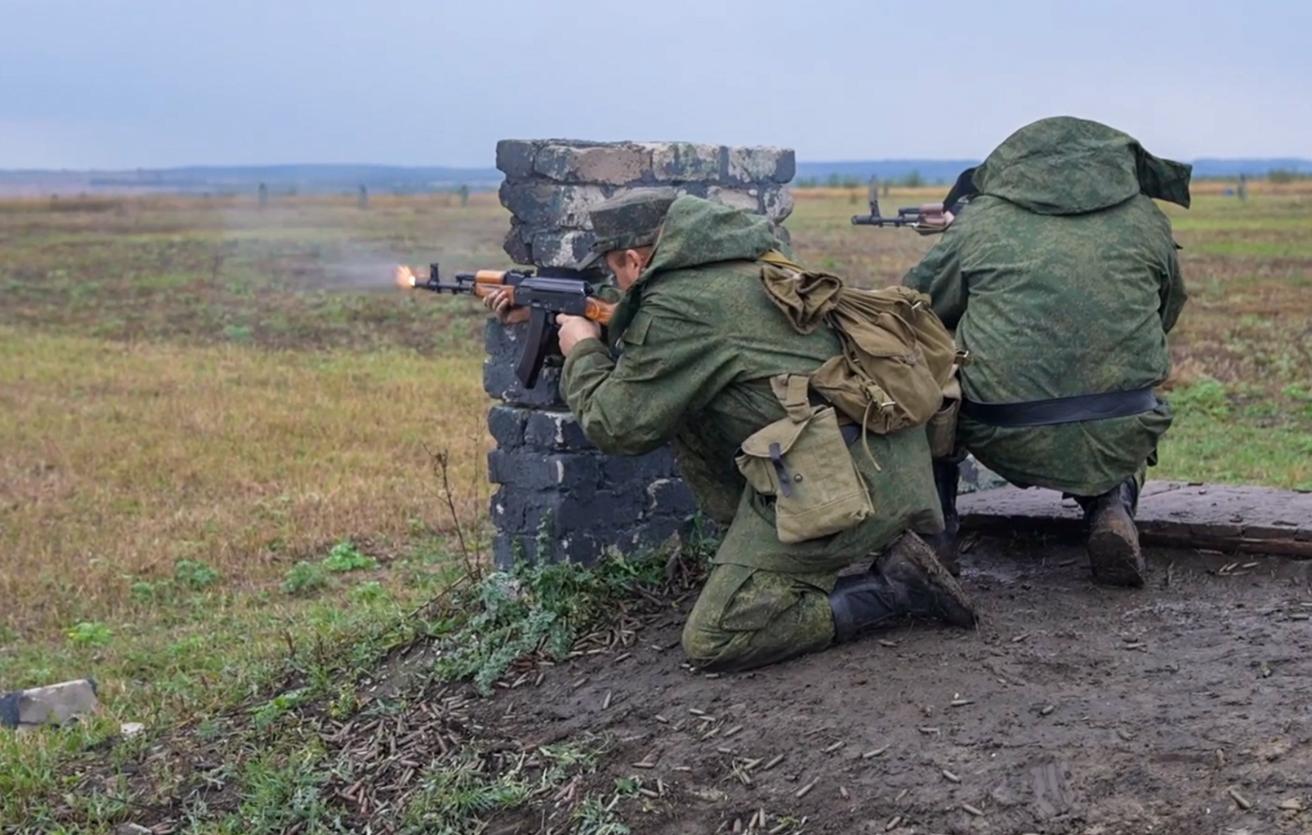
Teachers refused to work and faced threats and beatings. School directors who collaborated were extremely rare — Danylov counts one or two across the occupied parts of both oblasts. Cleaning staff ended up running schools. Grades became meaningless while content shifted to ideology, military drills, and visits to firing ranges where children shot real weapons.
Russia also recruited teenagers aged 12–14 as informants to shout Russian news through villages, eavesdrop in queues, and listen at their parents' doors at home. Payment came in moped fuel, cigarettes, alcohol, and money. Danylov first documented it after a right-bank village was liberated, and he thought it was isolated. A series of interviews from the left bank confirmed it was widespread and deliberate.
Collaboration and its failure
Russia initially sought competent locals for visible administrative roles. Almost all refused. Subsequent approaches escalated — the first meeting respectful, the second harder, the third involving torture. Those who eventually collaborated were mainly criminals, the aggrieved, or people coerced through threats to their families. Most are now in local jails, Danylov says. Russia never fully trusted them.
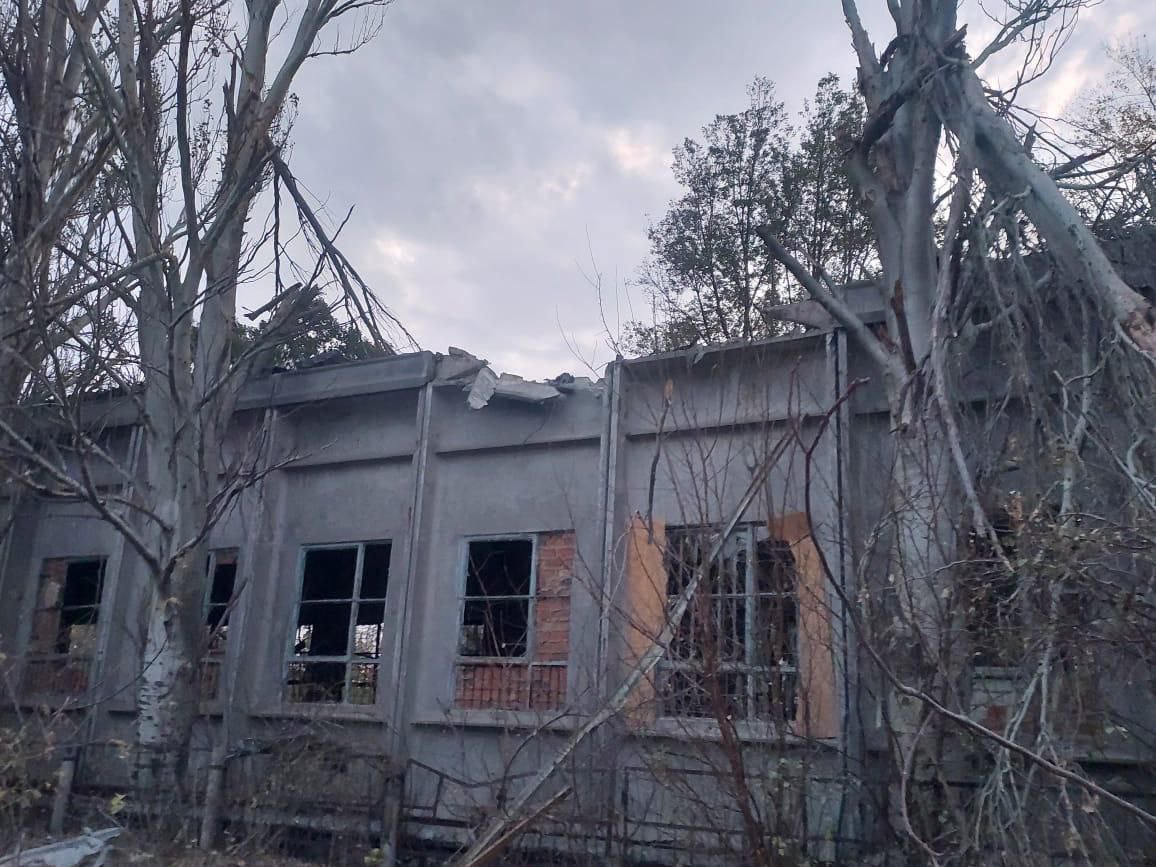
Ukraine’s Resistance Center: Russia threatens to make Ukrainians ‘illegal migrants’ in their own homes
Passportization, expected to take nine months as in Crimea, stretched to nearly two years. Ukrainians quietly passed tips about which passport offices didn't require singing the Russian anthem on camera, routing around every compliance checkpoint. Russia ultimately had to bring in people from Russia — local collaboration alone was insufficient, according to Danylov.
Mobilization pipeline
Russia plans to mobilize around 50,000 soldiers from newly occupied territories, Danylov says, citing a remark by an influential Russian security official last year. In 2024, roughly 100–120 people served short tours in Kursk Oblast under light conditions and returned with bonuses. The following year, about 1,000 went through the same process. Mass conscription followed. Each wave normalized what the next would demand.
Ukraine's legal problem
Danylov believes that Ukraine's collaboration laws, adopted in 2022, deterred early collaboration and raised the cost of occupation. But nearly everyone under long-term occupation has now taken a Russian passport to function. The broad 2022 definitions no longer deter anything and risk alienating the people Ukraine needs to be loyal for future de-occupation.
"Purely cynically and rationally — we need to retain maximum loyalty," Danylov says. "We need to think about how to make people feel that connection with Ukraine despite everything."
Read also
-
Russian occupiers turn Luhansk’s river into open sewer for industrial waste
-
Russia sold 2 million tons of Ukrainian grain as its own in 2025—intelligence
-
Russia to connect occupied Mariupol and Donetsk via railway to encourage “tourism.” Evidence suggests other reasons.
-
Russia reopens Mariupol theater, where it bombed 600 to death, as “statement to the world”


