

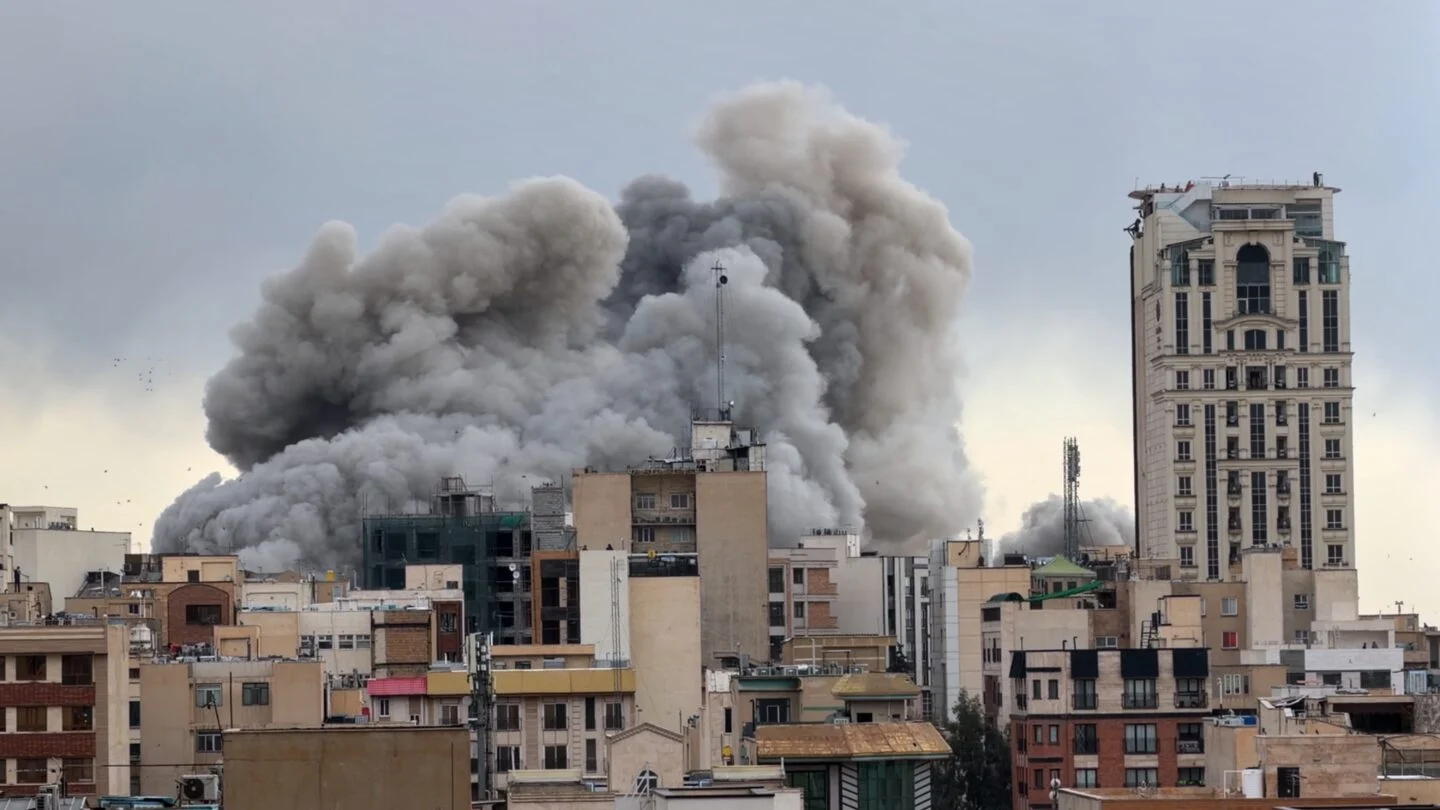
Iran has built underground weapons storage facilities on such a deep and large scale that even strikes by B-2 bombers are not effective against some of them. They are used to store “Shahed” drones, unfortunately well known to Ukraine, says aviation analyst Tom Cooper, Espreso reports.
“Iran has been accumulating resources for years. This didn’t start last year or the year before—it has been going on for about 30 years,” Cooper notes.
Since around 2005, the Iranians have been stockpiling weapons and burying everything underground—very deep underground.
“Keep in mind that people like me have been monitoring this situation since 1995 or 1996… the Iranians are constantly preparing,” he says.
Weapons that cannot be reached
According to him, Iran stores weapons so deep underground that US bunker-busting bombs, such as the GBU-31 with a BLU-109 warhead, cannot reach those depths. Even US strikes using B-2 bombers armed with GBU-57 bombs are not effective against some of these facilities.
This became clear as early as last June; otherwise, a significant portion of any enriched uranium stockpiles would have been destroyed.
“So the Israelis and the Americans can only strike targets located on the surface. Everything that is not hidden underground. That’s what they are hitting,” Cooper explains.
These include the IRGC's local bases, police headquarters, regime command centers, and security structures.
“Missile cities” in dark: arsenal capable of striking across region
However, the so-called “missile cities” remain out of reach. They cannot be struck or destroyed.
Trending Now
“That was the case last June, and it remains so now,” the analyst explains.
Cooper emphasized that this is not about just a few sites, not one, not two, not even ten.
There are more than twenty such facilities in Iran, some of which are designed to store ballistic missiles capable of reaching Israel. Others are used for storing short-range missiles capable of striking countries in the Persian Gulf—Saudi Arabia, Kuwait, Qatar, Bahrain, and the UAE.
“Still others are intended for storing drones, including strike UAVs such as the Shaheds,” the expert says.
For certain reasons, Iran may stop using ballistic missiles, but instead employ other means to strike Israel, Tom Cooper adds.


