

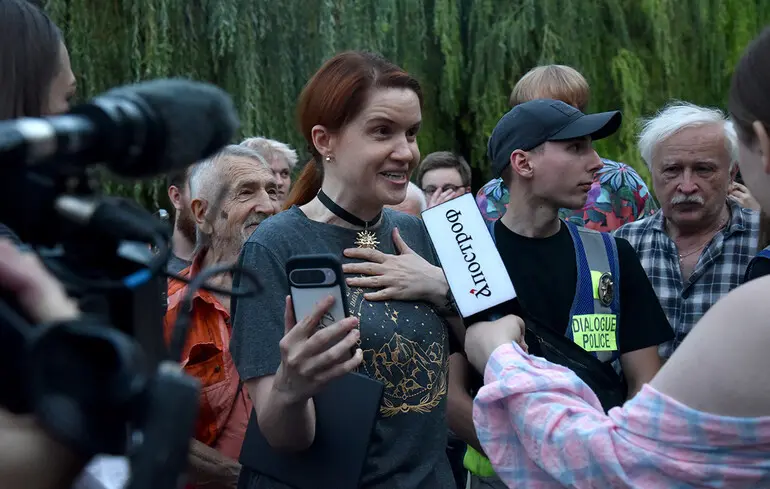
A Kyiv court forced Ukraine's Prosecutor General's Office to open criminal proceedings against Mariana Bezuhla, a member of parliament from President Zelenskyy's ruling Servant of the People party, under four criminal articles, including wartime high treason, Liga reported on 19 March.
Investigators must establish whether her public posts about frontline troop movements enabled Russia to redeploy forces, leading to the disruption of a planned rotation and the loss of defensive positions near Vuhledar. A second, parallel investigation — also court-ordered — concerns her 2021 disclosure of the names of intelligence operatives during closed parliamentary hearings on the intelligence operation, later dubbed Wagnergate in the media.
Court-ordered proceedings on four charges
The Pechersk District Court of Kyiv obliged the Prosecutor General's Office to launch a pre-trial investigation into a complaint filed by MPs Serhii Taruta and Fedir Venislavskyi, Censor reported. The Office confirmed the proceedings were opened by court decision without naming Bezuhla specifically.
The State Bureau of Investigation (DBR) confirmed the proceedings as well, with DBR communications adviser Tetiana Sapian telling Liga they cover four criminal articles: high treason committed under martial law (Part 2, Article 111), which carries a maximum sentence of life imprisonment; disclosure of state secrets (Part 1, Article 328); disclosure of military information constituting a state secret (Part 1, Article 422); and interference in the activities of a public official (Part 1, Article 344).
The Vuhledar post
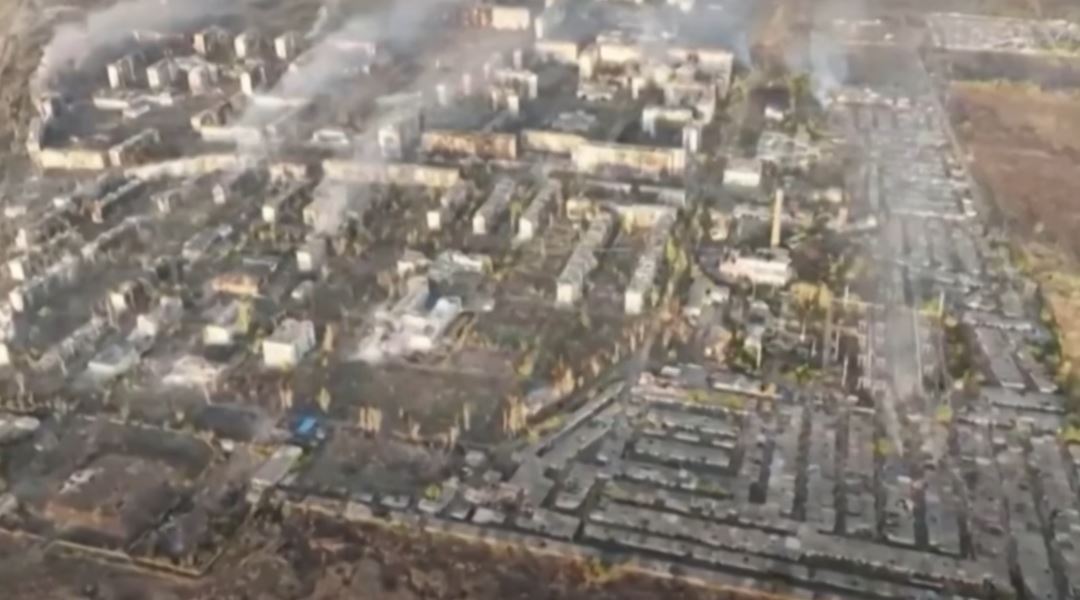
The investigation centers on Bezuhla's actions from late August 2024, when she published a social media post claiming Armed Forces Commander-in-Chief Oleksandr Syrskyi intended to withdraw the 72nd Separate Mechanized Brigade from Vuhledar.
"I have numerous appeals from soldiers in despair that Syrskyi is withdrawing the 72nd brigade from Vuhledar, which had been repelling all attacks there for two years and knows the terrain perfectly. The Russians already know this and are preparing. This will be a catastrophe, like Toretsk and New York, when the 24th brigade was withdrawn from there. It seems as if he is deliberately destabilizing the front," the post read.
Taruta argued that concrete consequences followed: Russia redeployed significant additional forces to that sector in under 24 hours, a planned rotation of the 72nd brigade was disrupted, and Ukrainian forces lost defensive positions near Vuhledar. Investigators must now establish whether a causal link exists between the posts and those operational outcomes, ZN reported.
"When public activity leads to casualties among servicemen, the weakening of defense and demoralization of the army — this is no longer about freedom of speech. This is about responsibility," Taruta stated.
The Wagnergate track
A separate court-ordered investigation predates the current four-article case. The Pechersk court also obliged the Prosecutor General's Office to open proceedings against Bezuhla under Part 2, Article 328 of the Criminal Code — disclosure of state secrets causing grave consequences, carrying five to ten years in prison — based on a complaint by former HUR (Main Directorate of Intelligence of Ukraine's Defense Ministry) colonel Roman Chervynskyi, attorney Andrii Yosypov announced.

Ukraine’s “Wagnergate” chief on trial for failed daring intel op; opposition slams “political repressions”
That case stems from September 2021, when Bezuhla chaired the parliamentary Temporary Investigative Commission examining the Wagnergate operation — a failed HUR special operation aimed at detaining Wagner mercenaries.

Bellingcat finds Ukraine’s Wagner sting operation failed due to President’s Office interference
All commission members received formal notice before hearings that the testimony constituted state secrets. That same day, ZN reports, Bezuhla gave a media interview disclosing the operation's details and naming the servicemen who participated in it. Russia has officially designated Wagnergate a terrorist act, making every publicly identified participant a potential FSB target.
"The status of a member of parliament does not give the right to trade the security of intelligence officers for political PR," Yosypov wrote, pointing to the deaths of officers Voronich, Shapoval, and Kharaberiush and attempts on HUR chief Budanov's life as examples of Russia's practice of liquidating identified operatives.
Bezuhla's response and earlier controversies
Bezuhla initially responded to the proceedings with a brief social media post — a photo against a backdrop of military unit flags and a message that she would not be intimidated — without addressing the substance of the charges. She later published a sarcastic post beginning, “I’m thinking of suing Syrskyi for”, followed by a long list largely comprising cities now under Russian occupation, implying that she rejects the charges and views the case as Commander-in-Chief Oleksandr Syrskyi’s retaliation for her criticism of him.
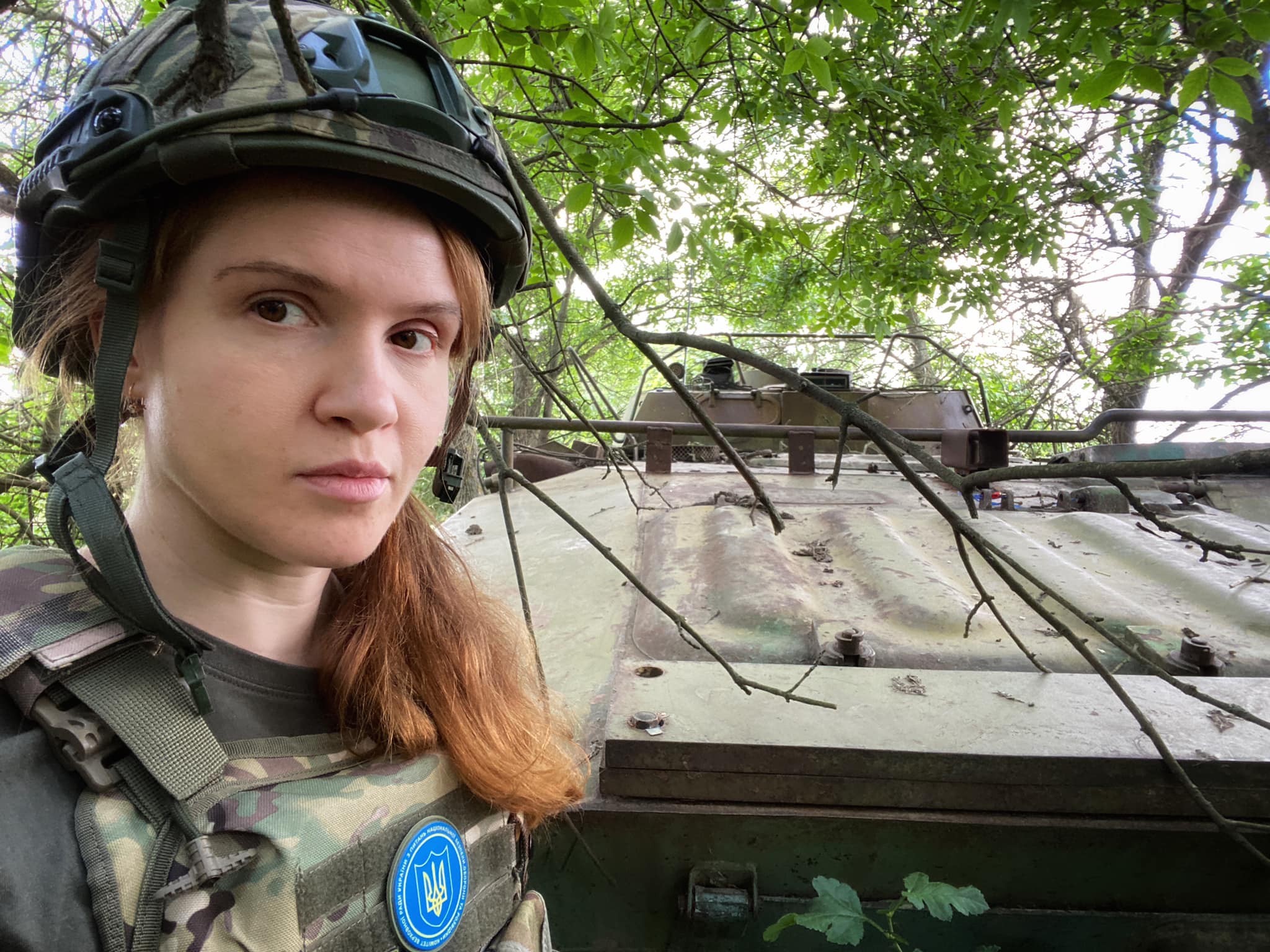
The case is not her first controversy over operational security: former Air Force Commander Mykola Oleshchuk publicly called her "the main newsmaker of enemy propaganda" after she claimed a Ukrainian F-16 had been downed by friendly fire.
Ukraine's SBU has filed treason suspicions against more than 3,200 people since 2014. In 2025, the DBR charged former MP Oleh Voloshyn from the banned Opposition Platform — For Life party with treason for spreading pro-Russian propaganda. Bezuhla, however, remains a sitting member of the ruling party.


