


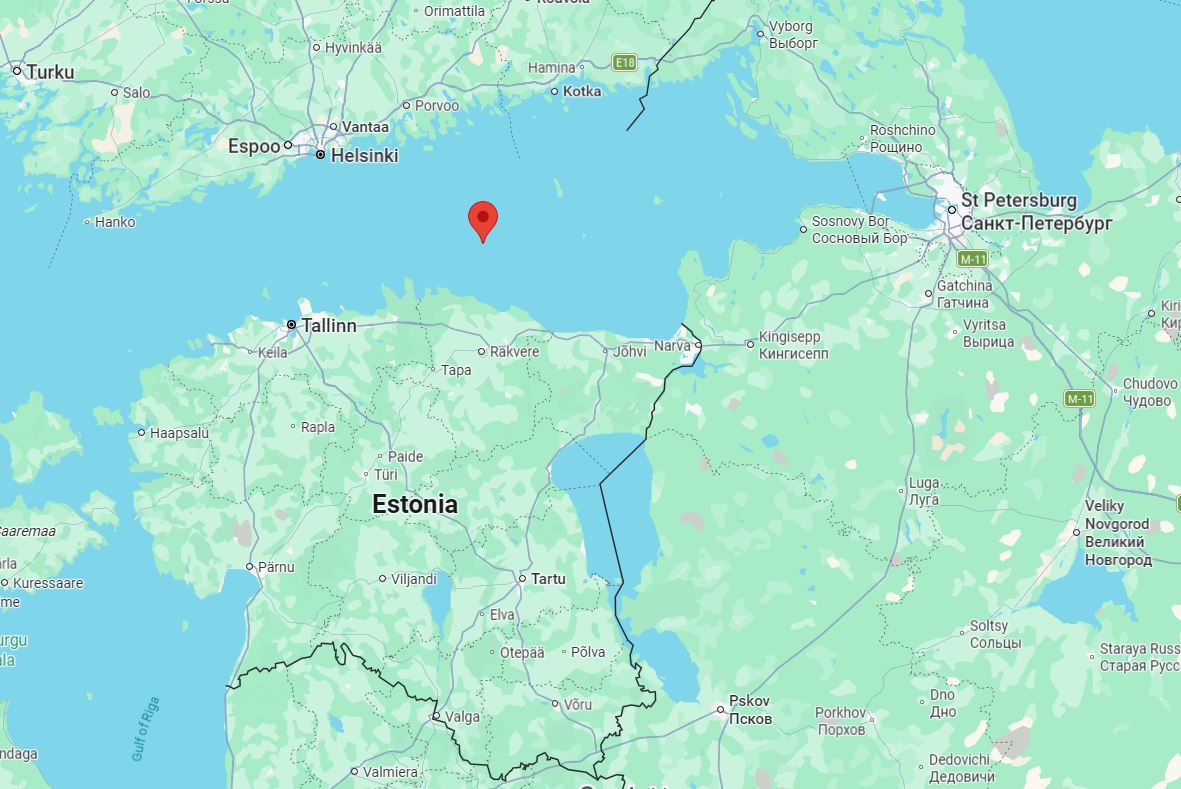
A Russian Sukhoy Su-30 fighter jet entered Estonian airspace near Vaindloo Island in the Gulf of Finland on 18 March and remained there for about a minute, Estonia's General Staff reported. It was the first Russian airspace violation in Estonia in 2026. Italy's NATO Baltic Air Policing unit at Ämari air base responded with an identification flight, and Estonia summoned Russia's chargé d'affaires on 19 March to deliver a formal protest note.
No flight plan, no radio, one minute inside NATO airspace
The Su-30 crossed into Estonian airspace in the afternoon of 18 March without a flight plan or two-way radio contact with Estonian air traffic control. Italy's Air Force unit, deployed to Ämari as part of NATO's Baltic Air Policing mission, responded with an identification flight. Estonian Foreign Minister Margus Tsahkna said the violation posed no threat to Estonia's security and that NATO's Baltic Air Policing mission "functions well and in accordance with procedures."
The same island, again
Vaindloo Island has repeatedly emerged as a pressure point in Russia's aerial provocations against Estonia. In September 2025, three Russian MiG-31 interceptors entered Estonian airspace near Vaindloo and remained there for 12 minutes, prompting Estonia to invoke NATO Article 4 consultations— described by Tallinn as an "unprecedentedly brazen" incursion. Italy's F-35s, also part of the Baltic Air Policing mission at Ämari, scrambled to intercept that time as well. Russia had violated Estonian airspace at least four times in 2025 alone.
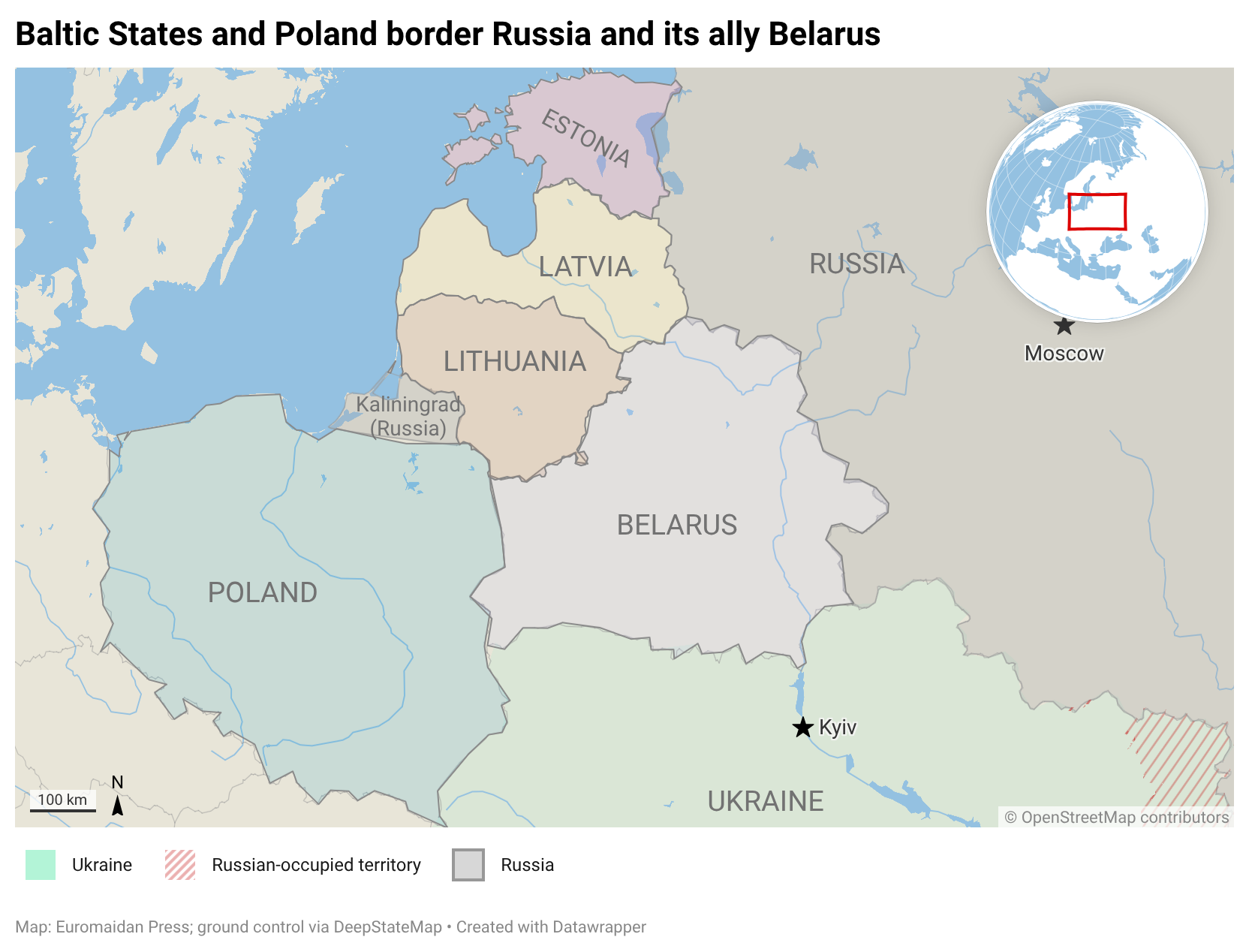
The 18 March Su-30 incident is part of a broader documented pattern of Russian military provocations against NATO's northeastern flank. In October 2025, a Su-30 and an Il-78 refueling aircraft briefly violated Lithuanian airspace from Kaliningrad. On the same day as the September Estonian breach, Russian jets also flew over Poland's only Baltic Sea offshore platform.
Estonia's spy chief noted at the end of 2025 that Russia had subsequently adjusted flight paths to avoid further violations of Baltic airspace. The 18 March incident marks a return to the pattern the spy chief had described as curtailed.
Read also
-
Ukraine cuts more than 4,000 vacant government posts and trims deputy ministers by about 20% in the first stage of civil service reform
-
Ukraine’s war leadership sets new electronic warfare tasks as Russia’s jet-powered drones slip past nearly half of its air defenses
-
Ukraine is third in world for cyberattacks after US and Israel, and first in Europe. Machine-speed assaults run continuously and without fatigue


