
Ukraine’s experience countering mass drone attacks is attracting growing international attention, as fighting in the Middle East highlights how unprepared many countries are for this type of warfare, according to a report by Deutsche Welle (DW).
The widespread use of Iranian drones in the Gulf has exposed the limits of traditional air defense systems, with expensive Western missiles often proving inefficient against large swarms.
In contrast, Ukraine has developed more cost-effective methods during four years of war with Russia, particularly using modified interceptor drones and coordinated detection systems.
Eleven countries have already asked – some have received Ukrainian teams
Ukrainian President Volodymyr Zelenskyy said Ukraine’s battlefield experience is now seen as critical in countering such threats, telling journalists that “only Ukraine's experience can truly help intercept massive attacks” by Iranian-made Shahed drones.
According to DW, Kyiv has already received at least 11 requests from countries in the Middle East, Europe, and the United States seeking assistance in countering drone attacks. Some of those requests have resulted in “concrete decisions and concrete support,” with Ukrainian teams and technology already deployed in certain cases.
Combat experience is the product – and it takes five months to transfer
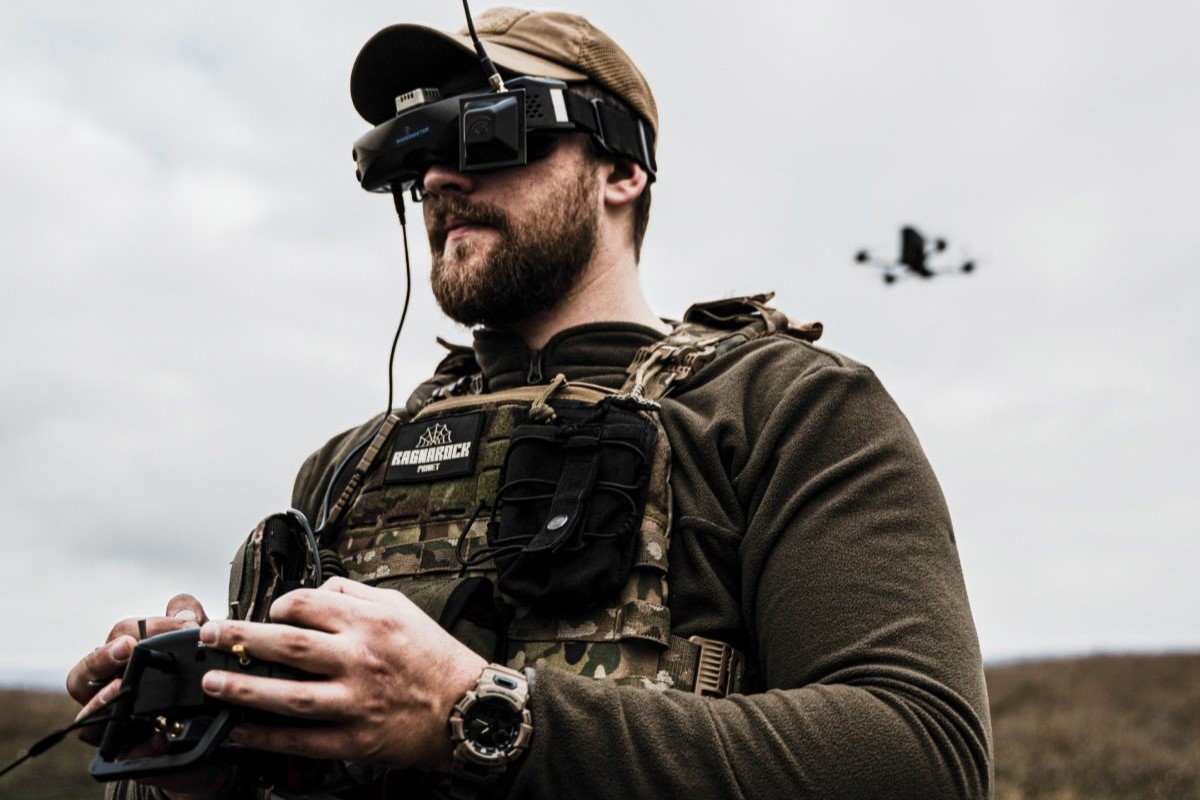
Experts say Ukraine’s advantage lies not just in hardware, but in operational knowledge built under real combat conditions. Training drone defense operators, for example, can take up to five months and requires both technical understanding and advanced piloting skills.
However, analysts warn this edge may not last. Dmytro Sledyuk of the Dronarium Academy told DW that Ukraine’s interceptor drones are largely based on modified FPV systems, meaning partners could quickly replicate the technology and scale up production independently.
A "drone deal" with Washington – and Trump's pushback
At the same time, Ukrainian officials are pushing to turn this short-term advantage into long-term strategic and economic gains. Zelenskyy has proposed a “drone deal” with partners, particularly the United States, offering Ukraine’s production capacity and expertise in exchange for stronger air defense support, including systems like Patriot missiles.
Despite this, US President Donald Trump recently suggested Washington would not require Ukrainian assistance for drone defense against Iran, highlighting some uncertainty around future cooperation.
Exports could sustain production – but security needs complicate the math
The report also notes that Ukraine is working to open up arms exports, including drones, as domestic demand stabilizes. Industry representatives argue that allowing exports would help sustain production, attract investment, and expand technological development – all while strengthening partners’ defenses.
At the same time, officials must balance exports with Ukraine’s own security needs, as the country continues to face regular Russian drone and missile attacks.
The growing interest in Ukraine’s drone warfare expertise reflects a broader shift in modern conflict, where relatively cheap and adaptable technologies are increasingly shaping the battlefield – and where practical experience, gained under fire, is becoming one of Kyiv’s most valuable assets.
Read also
-
Ukraine deploys 201 drone specialists to the Gulf – the same Shaheds hitting the Middle East have hit Kyiv since 2022
-
Countries turn to Ukraine for help as Iran shows up their outdated air defenses
-
The UAE asked for 5,000 interceptors, Qatar for 2,000 — and the reason every Gulf state is calling Ukraine is the same: Patriot isn’t enough