
Countries from the Middle East to North America are lining up for Kyiv’s weapons and experts, after blowing through hundreds of millions of dollars trying to defend against Iranian drones.
To date, Ukraine received 11 requests from Iran’s neighbors, the US, and European states, according to Anastasiia Mishkina, Executive Director of defense industry group Technological Forces of Ukraine. Kyiv’s anti-drone experts have been dispatched to at least four Gulf countries. Washington is also reversing course after cold-shouldering Ukraine’s previous overture to help with anti-drone capabilities.
“All of a sudden, that was the point they recognized what Ukraine has been talking about,” said Deborah Fairlamb, founder of Green Flag Ventures and a longtime investor in Ukraine’s defense industry.
This creates a unique window of opportunity. Even months before the Iran war, TFU estimated that Ukraine’s arms makers have $2 billion in unused export potential — many manufacturers operate at just 50% capacity because Kyiv cannot afford to pay them more. Gulf states collectively spend tens of billions on air defense each year.
"If Ukrainian technologies capture even a small share of the emerging counter-drone segment, contracts could realistically reach hundreds of millions of dollars in the short term and potentially several billions over the next five to seven years, especially if joint production lines are established in the region," said Bogdan Popov, an analyst with Ukrainian advisory firm Triada Trade Partners.
This can also serve to broaden Kyiv’s international relations.
“Ukrainian weapons are becoming not only an effective tool for defending the country’s territory and countering the aggressor, but also a strategic advantage in diplomatic negotiations with partners,” Mishkina said.
Ukrainians are writing the book on how air defense works in the modern era, where the financial math between cheap saturation weapons and air defense matters. Drone interceptors are of particular interest — costing up to $6,000 but able to destroy Shahed UAVs that cost at least $35,000.
While the country still suffers under Russia’s hail of drones and missiles, Ukraine has maintained a consistent shootdown rate of over 80%. According to the air force, one in three Russian aerial targets is now being destroyed by interceptor drones, which top commander Oleksandr Syrskyi credited with downing over 70% of Shaheds over Kyiv in February.
US pivot on Ukrainian tech
Ukraine came to the US seven months ago, trying to sell battle-proven tech for dealing with Iranian attack drones, PowerPoint presentation and everything, specifically for this kind of scenario, Axios reported. The Trump Administration reportedly turned them down, only to suddenly change course last week and request assistance.
The US has since asked Ukraine to help defend the Gulf and President Volodymyr Zelenskyy said he authorized sending Ukrainian specialists. He added that Ukraine is awaiting White House approval for a major drone production agreement proposed last year.
An American engineer helping develop drones for one of Ukraine’s most elite units had a blunt reaction when asked for his thoughts.
“LOL. That is my comment. AHAHAHA,” he wrote back.
Iran and Russia rewrote the playbook of how air war is conducted. Instead of just focusing on just building fancier planes and missiles, they also weaponize asymmetry, by investing in cheap, expendable weapons, like drones from the infamous Shahed family.

Trying to fight Shaheds the old-fashioned way doesn’t just quickly empty the defender’s arsenal. By flying low and in great numbers, some percentage of drones often get through air defenses, especially when combined with missiles.
While Ukraine has known this for years, Washington was slow to catch on, Fairlamb said, citing conversations with people in the US. “There was really no appreciation of what the Ukrainian ecosystem had been doing up until about the middle of last summer.”
The drone threat doesn’t just apply to US military bases in the Middle East, but also to the American homeland. The FBI issued a warning that Tehran could retaliate for the US making war by launching UAV strikes from unidentified vessels off the coast of the United States, as early as February, ABC News reported.
Ukraine’s production model: the ‘will to be free’
The US has made moves to expand its acquisition of drone defenses before the Iran war. For example, the Drone Dominance Program is a $1 billion plan to purchase over 200,000 "small, lethal drones over the next two years." Two Ukrainian companies are competing to secure contracts within the program.
Some US companies had also begun partnering with Ukrainians, like AIRO Group, which signed a deal with Ukraine’s Bullet to bring high-speed interceptors to NATO markets.
The reasons the US needs outside help, such as from Ukraine, is because it’s not equipped to build effective interceptors, nor use them as effectively as Ukraine can, multiple people have pointed out.
“They don't have them and won't have them next year. They cannot produce them,” said Mykhailo Samus, an international relations analyst with the International Center for Defense and Security. “Everybody has a model at an exhibition, but we're talking about a weapon proven in battle… Go to the Chernihiv region and hit the Shahed. If you can't, it’s just a prototype.”
“Ukraine has several very successful models with a price of approximately $5,000 each. That's very cheap and effective. If there are prototypes in Germany, the price is very high — up to $50,000 or $100,000.”
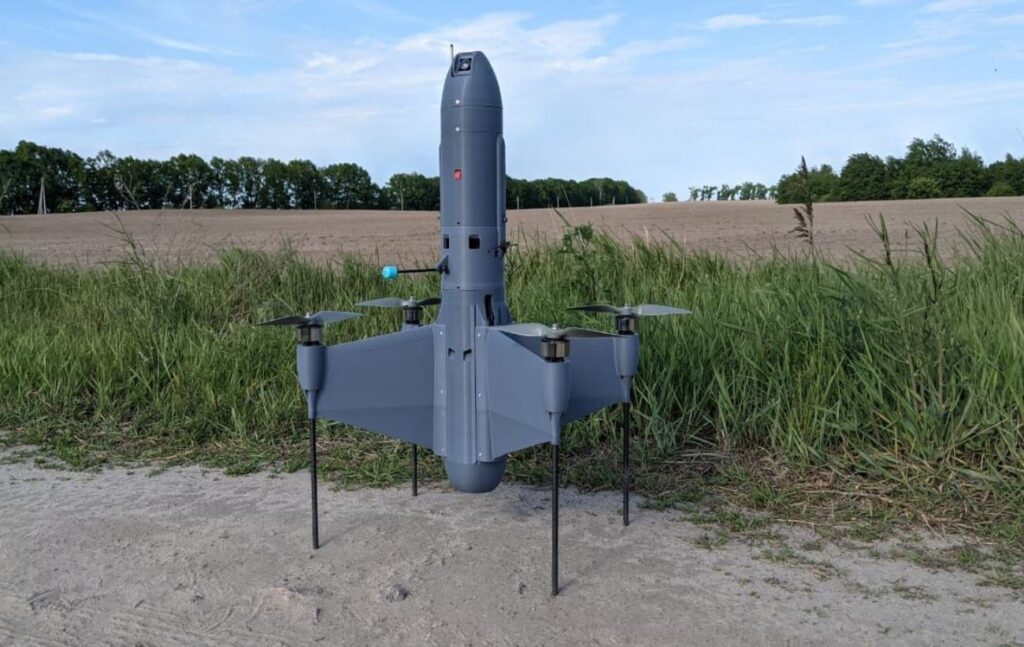
Ukraine doesn’t just compete on price but on development cycle. The country’s thousands of companies often iterate weapons in batches, which are immediately battle-tested, then sent back to the lab for improvement.
In contrast, the US and those who buy from them, have big procurement contracts, where weapons take years to develop before they even hit the proving ground for testing.
“The West doesn’t just need Ukraine’s tech. The West needs Ukraine’s rapid-mil-tech iteration process,” Journalist JP Lindsley wrote.
“America wants Ukraine’s anti-drone technology. But the real asset is not the tech but the process behind it: a rapid soldier-to-engineer feedback loop powered by people who iterate swiftly in order to be free. That cycle runs on the Ukrainian will to be free — and no Western defense contractor can manufacture it.”
Gulf states clamor for Ukraine’s expertise
Trending Now
Faced with Shahed swarms, multiple Middle Eastern countries are now realizing this and are making overtures.
The Kyiv Independent reported that a Saudi company signed a deal with a Ukrainian-made company to buy interceptor missiles, while a separate “huge deal” with Saudi Arabia is being finalized now.
Earlier, at least three Gulf states approached Ukrainian drone manufacturer TAF industries, asking to buy interceptor drones. The UAE requested 5,000 interceptors, Qatar requested 2,000, and Kuwait also expressed interest.
“I think delivery schedules will be the key factor,” said US open source analyst John Ridge. “That and being combat proven. A US contractor could develop something better but it would take time and cost money, both to test and field.”

In the medium term, the most realistic model will probably be joint ventures or licensed production in partner countries rather than simple exports, Popov believes. This would allow Ukraine to scale production without diverting resources from its own defense needs while giving Gulf partners access to the most proven technologies.
According to multiple interviews with Ukrainian defense companies, many are working at just 50% of their maximum production capacity, because the Ukrainian government cannot afford to procure any more weapons than that.
Exports could bring in a much-needed cash injection to boost Ukraine’s ability to build weapons for the full-scale invasion.
“There are strong reasons to believe that in the future Ukrainian manufacturers will be able to meet the demand for interceptor drones both for the Armed Forces of Ukraine and for the armed forces of allied countries,” TFU’s Mishkina said.
Teaching to fight the modern air war
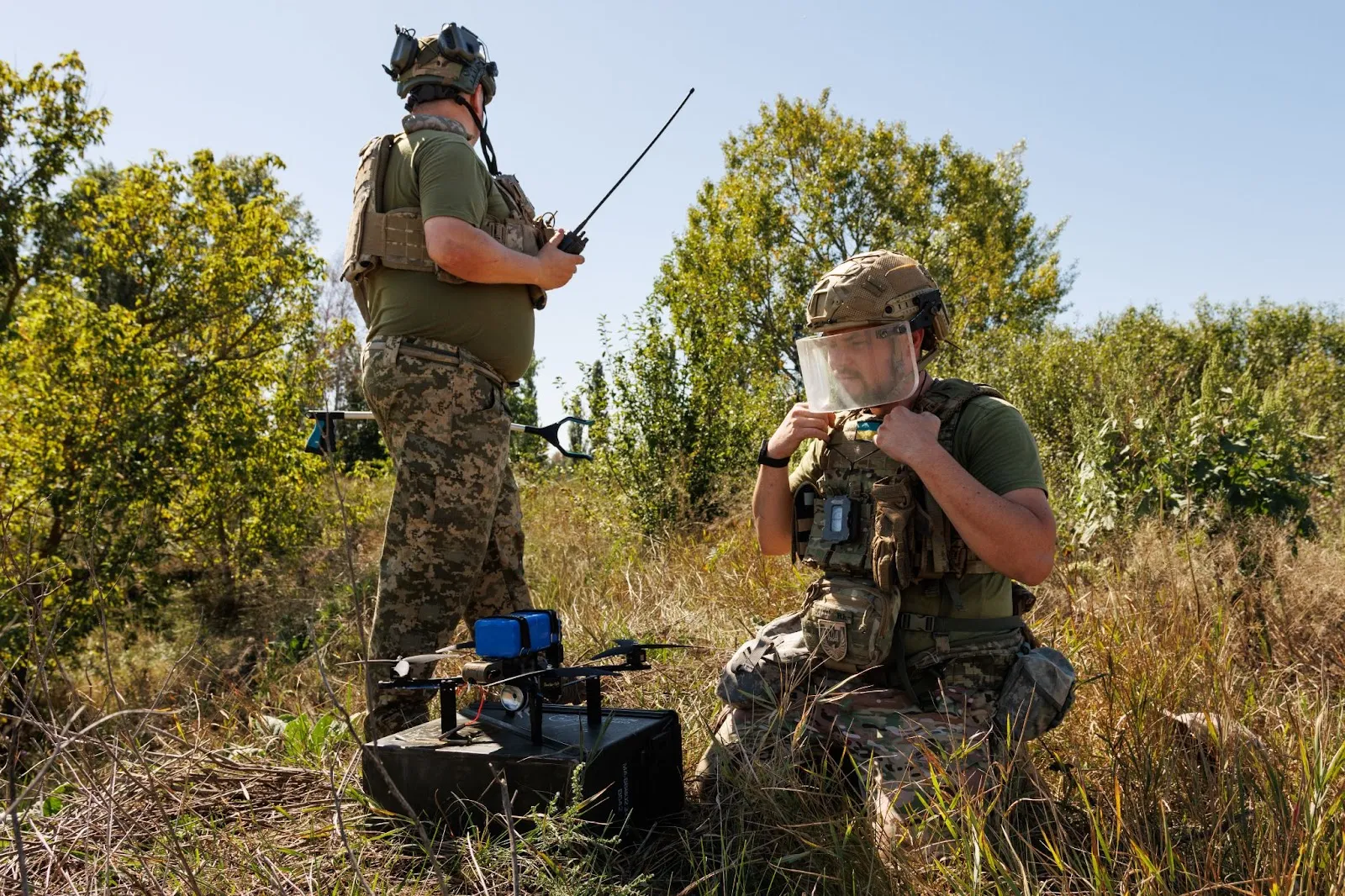
Ukrainian drone pilots and instructors are also in hot demand to teach everyone how to actually use these systems effectively. Without this instruction and proper integration into air defense doctrine, interceptors are just hunks of metal and plastic.
Zelenskyy said that three teams of experts are already at work in the Gulf — his spokesman identified the countries as Qatar, UAE and Saudi Arabia, including military staff and engineers. AFP reported that another team is in Jordan.
As for what Ukrainians will teach — most likely it will be to think outside of the old paradigms of air defense.
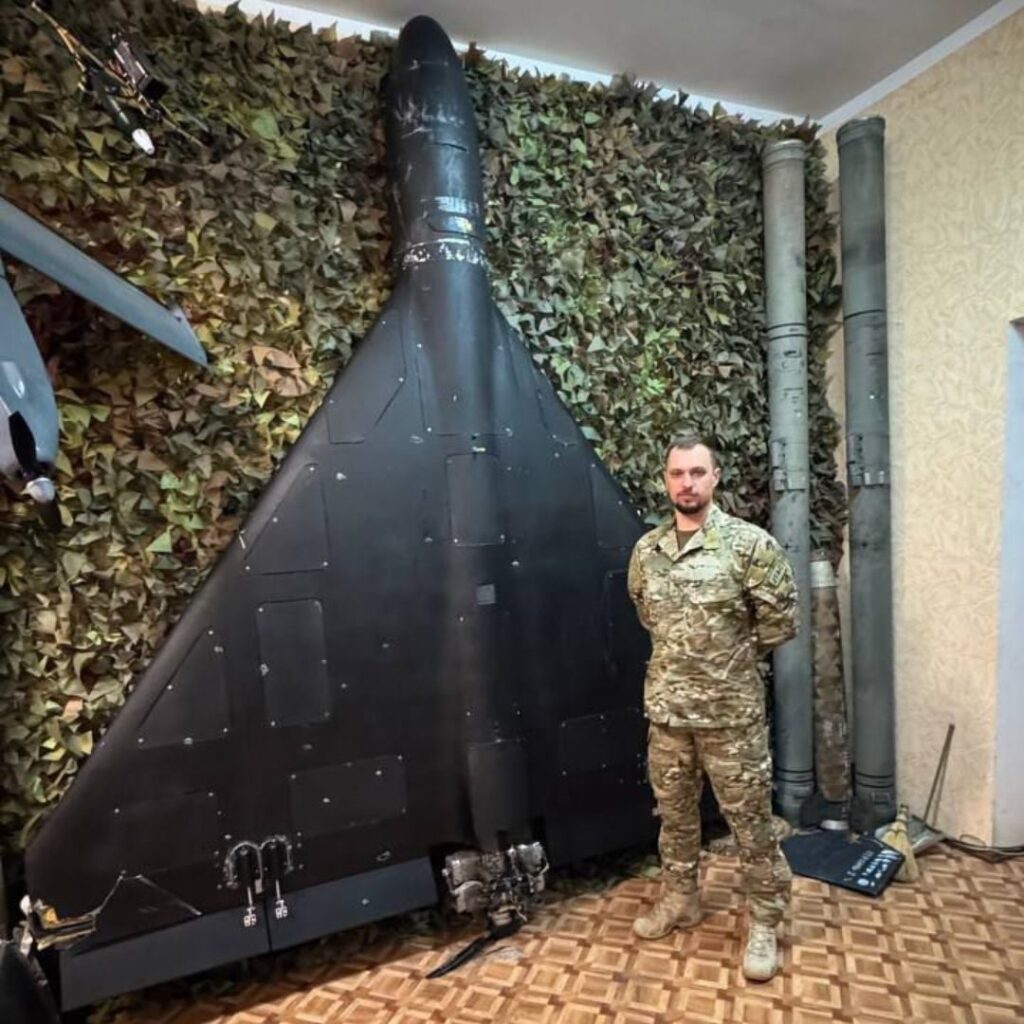
Many modern air defense models are based around shooting down advanced, fast-moving weapons, using the latest and greatest in interception technology. The emphasis is on downing every incoming target within its operational threat window, with a centralized command model to match.
That doesn’t work so well when hundreds or thousands of different threats come at you at different speeds, from different angles, with unpredictable timing.
Ukraine had to develop a new kind of interlinked sensor network to detect different kinds of weapons, the ability to quickly triage what weapon to use on what target, and the reduction of the time between the decision to engage and the squeeze of the trigger, among other innovations.
While Ukraine still struggles with implementing some of these things at home, it is ahead of everyone else at facing the new air war.
Obstacles to solve
However, while the window of opportunity exists, Ukraine’s government agencies need to shake a leg if they hope to take maximum advantage.
As of March 2, weapons exports to the Middle East and Gulf States still remained suspended by order of the State Service for Export Control, Mishkina pointed out. The review of applications for export licenses to those countries remained halted as well.
The service can decide to reopen that door. But there is another issue. In order for reliable exports to work, there must be a working legislative and bureaucratic framework to enable them. But Kyiv has been slow to put such a network together.
As of October, the bureaucratic machinery that existed is plagued by bribery risks, overlapping authorities, and byzantine procedures. Months later, defense ministry insiders speaking on condition of anonymity told Euromaidan Press that little progress had been made.
Ukraine also needs to make sure that it remains in the driver’s seat and is the ultimate beneficiary of any export deals.
“We have a unique chance to provide comprehensive solutions for our allies. But it’s very important not to just give them the technology; we should sell the ready-to-use product, like they do,” Samus said.
“If you like our drones, get the drones with ‘black boxes’ — no technology transfer. This technology represents the lives of Ukrainian soldiers and their battle experience in finding better and better solutions.”