

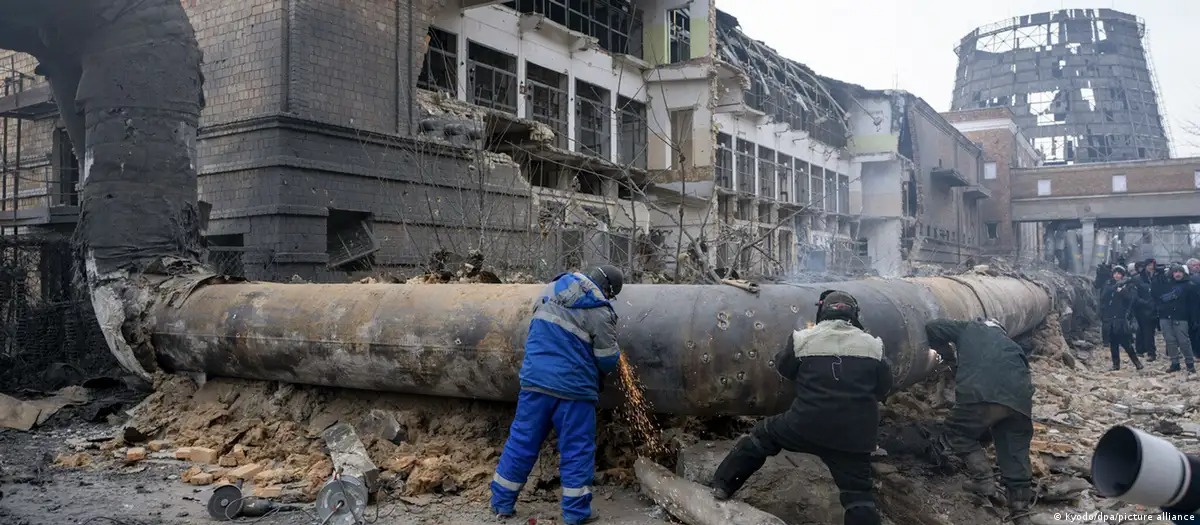
Russia's winter 2025–2026 missile and drone campaign against Ukrainian energy infrastructure failed to achieve any of its strategic objectives, the Institute for the Study of War assessed on 3 March. Despite causing significant damage to Ukraine's power grid and months of hardship for civilians, Russian forces fell short on every front — from splitting the energy network in two to breaking public will — while Ukraine's defense industry grew fiftyfold since 2022.
Russia's objectives and where each fell short
ISW had previously assessed that the winter campaign pursued three core goals: degrading Ukraine's energy security and its industrial capacity, and eroding the population's will to resist. Russian forces failed on all three counts.
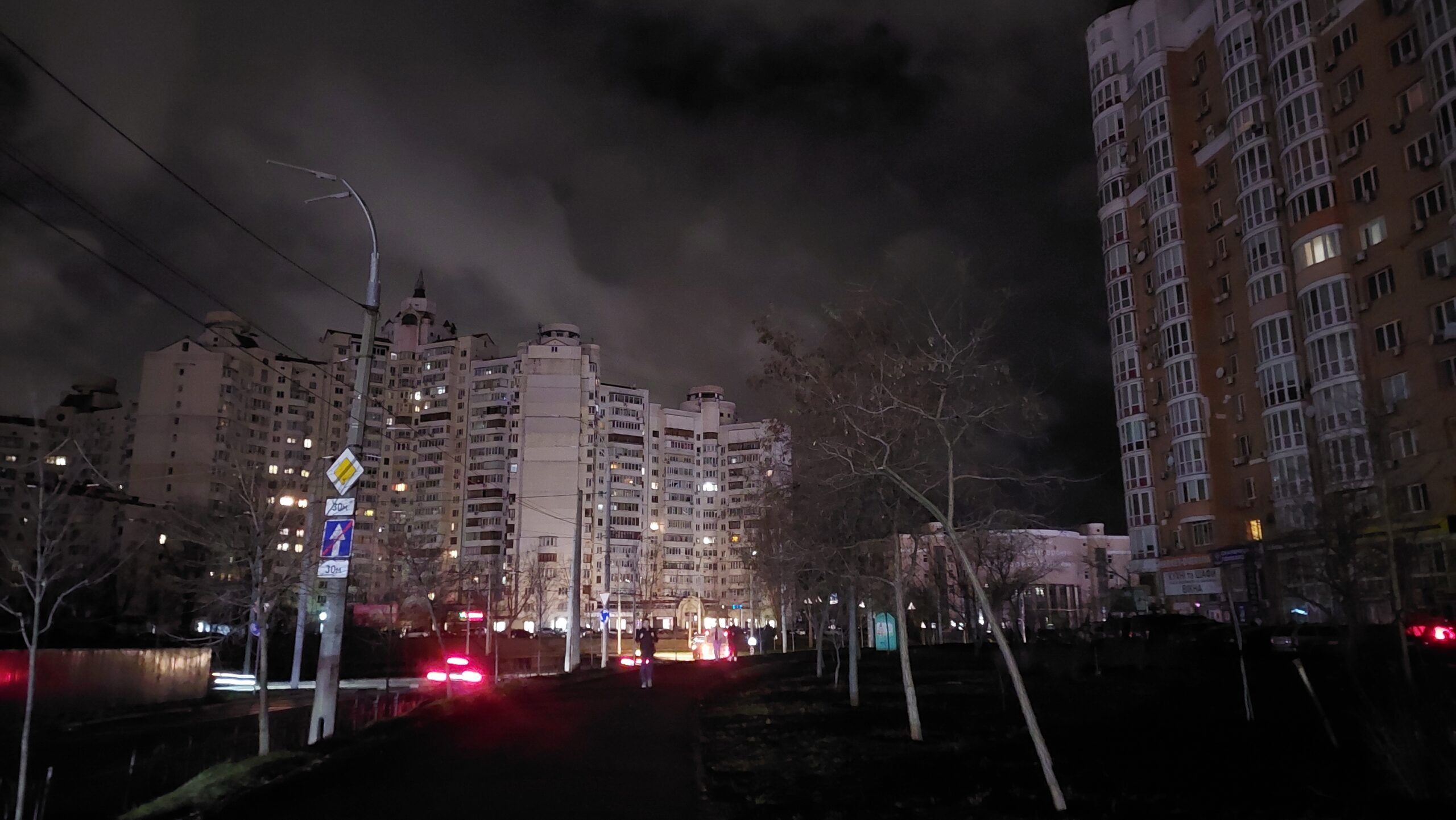
Ukrainian President Volodymyr Zelenskyy told Corriere della Sera on 3 March that Russia failed to divide Ukrainians, turn the population against the military, or cause people to call for an end to fighting. While Russian strikes did significantly damage the grid and created months of hardship across the country, they did not achieve the campaign's central technical goal: splitting Ukraine's power network in half and creating energy islands cut off from electricity generation, deliveries, and transmission systems, ISW assessed on 24 January.
The campaign also failed to halt Ukraine's defense industrial base. Adviser to the Ukrainian Defense Minister Hanna Hvozdiar stated on 19 February that production had grown fiftyfold since 2022 and reached an estimated $50 billion in output — a figure that grew throughout the very period Russia was targeting the infrastructure meant to prevent it.
One of the more specific objectives Russian strikes pursued was rendering Kyiv unlivable. Ukrainian government sources reportedly assessed in January 2026 that Russia aimed to make the capital uninhabitable, yet the city of nearly three million people continues to function and repair its energy infrastructure.
Trending Now
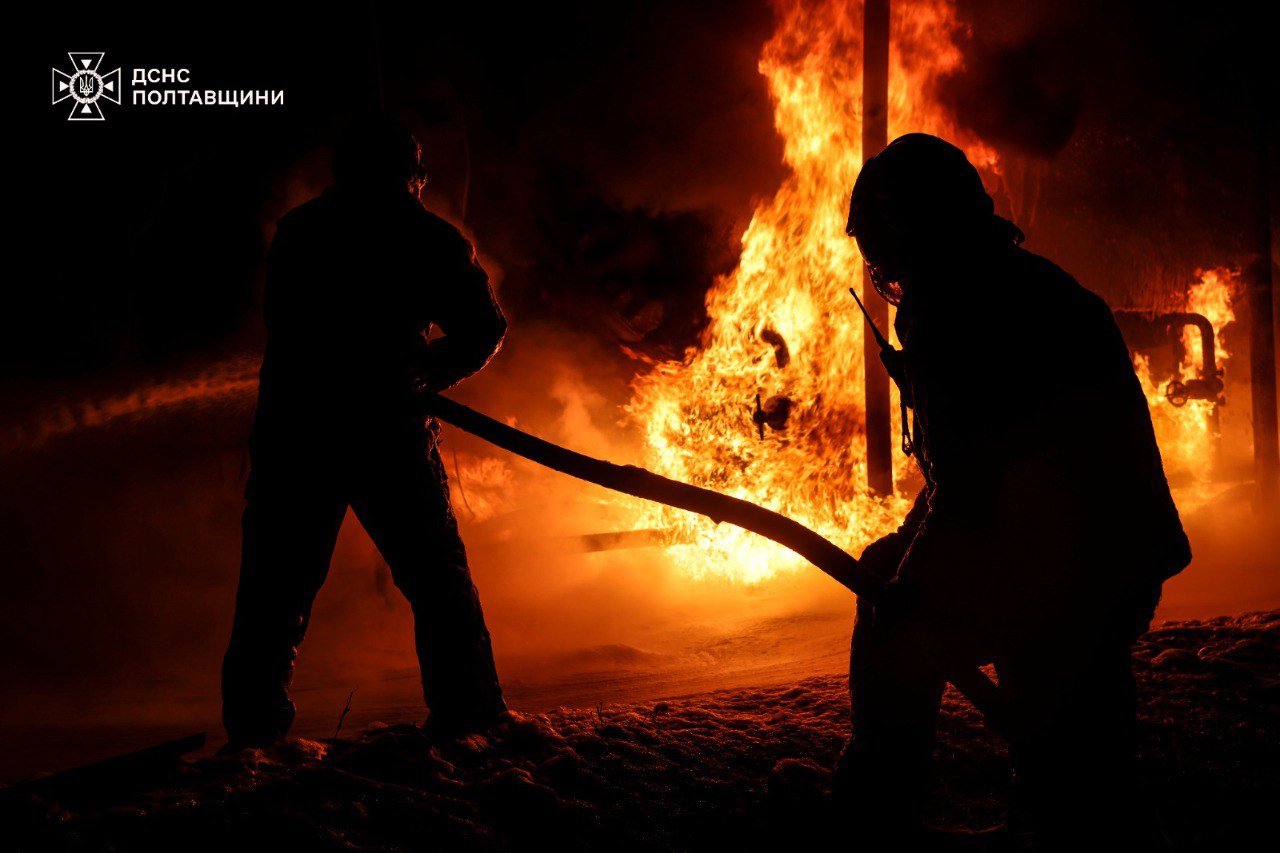
The numbers behind Ukraine’s worst winter since the full-scale invasion: 19,000 drones, 14,670 bombs, 738 missiles
Water is next — and ISW warns the risks are real
Zelenskyy warned on 2 March that Russia is preparing a new wave of strikes, including against Ukraine's water supply. ISW assessed this shift as an implicit acknowledgement that the winter energy campaign did not meet its objectives.
The warning is not merely rhetorical. ISW assessed that Russia will likely transfer the tactics it refined against power infrastructure to water systems — both share the Soviet-era design vulnerabilities that make them susceptible to drone strikes even with smaller warheads.
Read also
-
How Ukraine’s economy survived four years of war—and what it cost
-
Russo-Ukrainian war, day 1442: Russia exploited “energy ceasefire” to stockpile missiles for $325 million strike
-
Russia’s winter campaign was supposed to freeze Ukraine, split its grid, and stop its factories. None of it worked, ISW says


