

The West has sanctioned Russia for four years. The lists are long. The communiqués are solemn. The legal architecture is complex.
Yet Russia continues to finance mobilization, missile production, and occupation administrations without the kind of fiscal rupture that would force strategic reconsideration.
Lists are not the same as shock.
Sanctions are not failing because they are useless. They are failing because breadth has too often been mistaken for intensity.
Lists are not the same as shock.
This week offered a glimpse of what shock might look like—and why it remains incomplete.
Britain’s Transneft gambit—and its blind spot
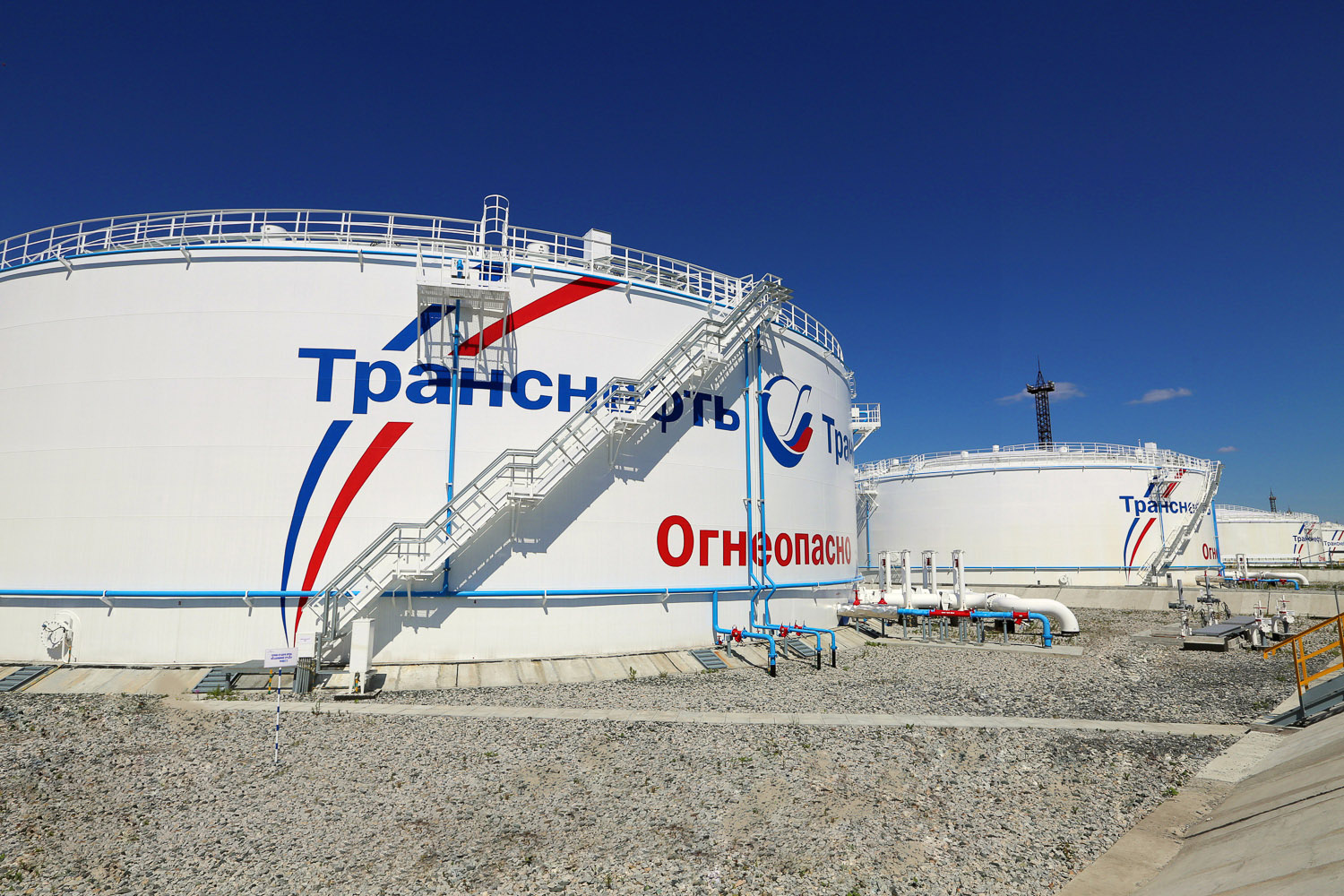
The United Kingdom has announced what it described as its largest sanctions package since the full-scale invasion, targeting nearly 300 individuals and entities, including the state-owned pipeline operator Transneft and further vessels linked to Russia’s shadow fleet.

UK and Australia impose largest sanctions packages against Russia since 2022, targeting oil giant Transneft and shadow fleet
The Transneft decision matters. It is not another oligarch’s holding company or mid-level bank. It is central to the infrastructure that moves Russian crude at scale. Disrupting its financing, insurance, and services networks touches the revenue stream most directly convertible into shells and salaries.
Britain cannot credibly present herself as escalating economic warfare while parts of her own jurisdiction function as conduits for Russian-linked capital.
That is what strategic targeting looks like.
But on the same day, reporting revealed that Russian firms have routed billions in trade through British overseas territories and crown dependencies since 2022, exploiting opacity in beneficial ownership and weak enforcement. Britain cannot credibly present herself as escalating economic warfare while parts of her own jurisdiction function as conduits for Russian-linked capital.
The contradiction is not technical. It is strategic. If Transneft is sanctioned in London but Russian trade flows quietly through British-linked structures offshore, Moscow sees theater, not coercion.
The EU gets structural
Across the Channel, the European Union has taken a more structural step by converting the phase-out of Russian gas imports into binding law, establishing a trajectory away from pipeline gas and liquefied natural gas. That move transforms political aspiration into legal obligation. It reduces Russia’s future leverage.
The discomfort of contract restructuring in Madrid is not comparable to the price of occupation in Kherson.
Unsurprisingly, it has already triggered anxiety. Spain’s Naturgy has warned that its long-term LNG purchase commitments could be caught by the EU’s ban. Contract renegotiations will be expensive. Arbitration will be messy.
But compare that cost to what Ukraine pays daily in destroyed infrastructure, amputated limbs, and civilian dead. Sanctions that impose no pain rarely impose change. The discomfort of contract restructuring in Madrid is not comparable to the price of occupation in Kherson.
Hungary: Moscow’s veto inside the EU
The EU’s difficulty lies elsewhere. Its proposed 20th sanctions package—including stronger maritime services restrictions on Russian oil shipments—has been blocked by Hungary. Not for the first time. Budapest has repeatedly vetoed, diluted, or delayed collective escalation, leveraging energy transit politics and its entanglement with Russian supply to hold 26 other member states hostage.
If unanimity enables paralysis, then willing states must act together through coordinated national measures.
When one government does this consistently, it is no longer a disagreement over policy. It is a structural gift to Moscow: a veto wielded inside the EU’s own decision-making process on behalf of the country the sanctions are meant to constrain.
We should be clear about this. If unanimity enables paralysis, then willing states must act together through coordinated national measures rather than waiting for Budapest to consent. The alternative is a sanctions regime calibrated to Hungarian veto politics rather than battlefield reality.
Shadow fleets and the enabling ecosystem
Russia’s oil resilience depends on adaptation—a shadow fleet of aging tankers, opaque ownership chains, insurance arbitrage, and permissive jurisdictions. Targeting ships one by one is reactive. Targeting the enabling ecosystem is strategic. Britain’s focus on shadow fleet vessels and maritime services is a step in that direction. The EU’s debate over a broader ban on maritime services points the same way.
But alignment and speed matter more than symbolism.
Economic warfare is uncomfortable precisely because it disrupts profitable arrangements.
There is also a quieter obstacle to escalation: lobbying. Every major sanctions round is followed by arguments for “stability,” for predictability, for protecting European competitiveness. Energy traders, shipping intermediaries, and commodity houses warn of market disruption. Financial institutions warn of legal uncertainty.
These arguments are not irrational. They are also not neutral. They reflect interests that profit from frictionless trade, even when that trade sustains an aggressor state.
Economic warfare is uncomfortable precisely because it disrupts profitable arrangements. If sanctions are designed around what European corporate actors find tolerable, they will never produce shock.
What shock actually looks like
Russia has adapted to a slow squeeze. She sells energy to buyers outside the coalition, reroutes cargoes through intermediaries, and builds redundancy into supply chains that the West has been too slow to disrupt. What she cannot easily absorb is sudden, coordinated disruption at scale—particularly in oil transport, maritime services, and financial plumbing.
The UK’s decision to strike at Transneft shows that policymakers understand the logic. The EU’s gas phase-out shows that structural denial is possible. But the current equilibrium remains dangerous: Russia adjusts, Europe calibrates, Ukraine bleeds.
If the West wants to alter the trajectory of this war, she must treat economic pressure as a weapon system rather than a press release.
The purpose of sanctions is not moral signaling. It is to force trade-offs in Moscow’s war budget quickly enough to matter on the battlefield. That requires intensity, enforcement, and a willingness to accept domestic discomfort.
Sanctions without shock create stability—for the aggressor.
If the West wants to alter the trajectory of this war, she must treat economic pressure as a weapon system rather than a press release: concentrated, coordinated, and escalated until the Kremlin is forced to choose between sustaining the war and sustaining the state.
Lists are not the same as shock.

Editor's note. The opinions expressed in our Opinion section belong to their authors. Euromaidan Press' editorial team may or may not share them.
Submit an opinion to Euromaidan Press


