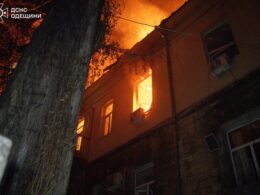

Russia's overnight Friday-Saturday massive air assault damaged key substations that connect nuclear power plants to the grid, forcing atomic generation to throttle down even as the country faces a severe power deficit, according to Ukrenergo. Overnight on 8 February, Russian forces followed up with another 101-drone barrage while also hitting railway infrastructure in Chernihiv Oblast.
Russia's months-long energy terror campaign has recently shifted from destroying power plants to dismantling the transmission infrastructure that connects them, with daily follow-up drone barrages designed to prevent recovery — turning what were once rolling blackouts into a systemic grid crisis during the cold weeks of winter.
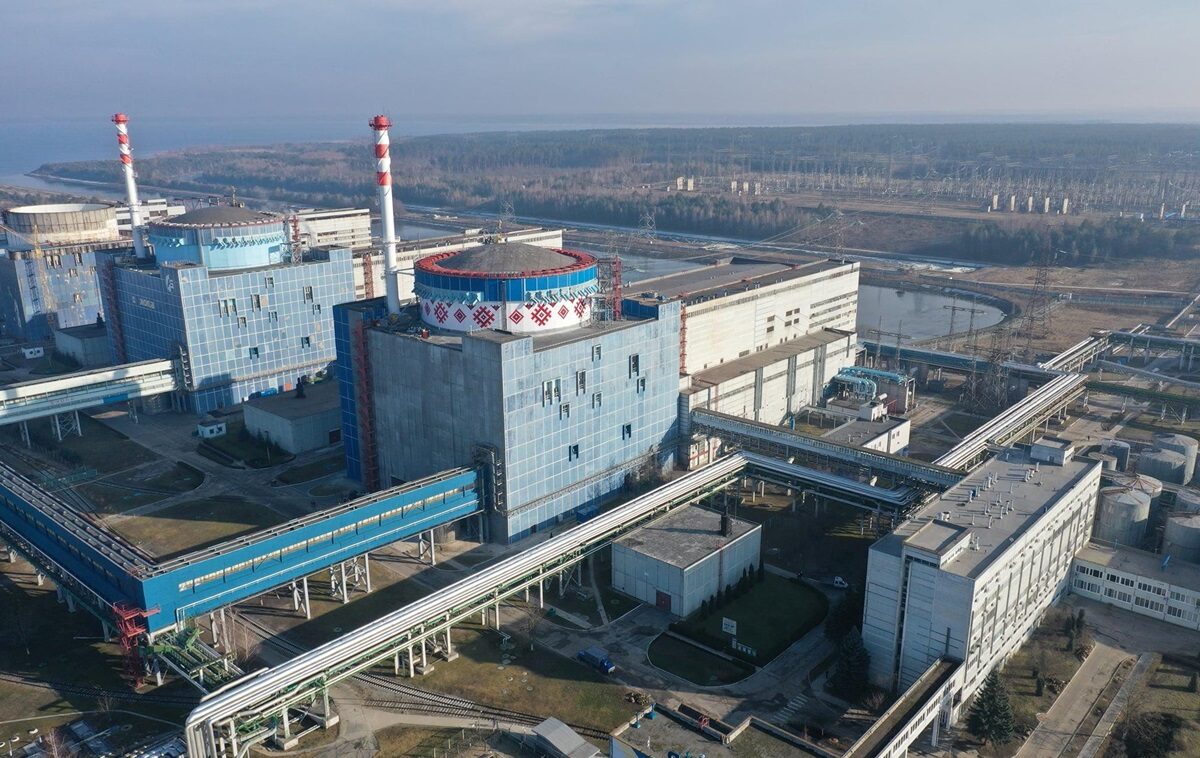
Nuclear plants have power but nowhere to send it
The state-owned electricity transmission system operator Ukrenergo reported that atomic generation remains partially offloaded because Russia's strikes yesterday wrecked the high-voltage substations responsible for channeling nuclear output into the grid remain damaged. The power deficit and damage to transmission and distribution networks make stable supply impossible across most of the country.
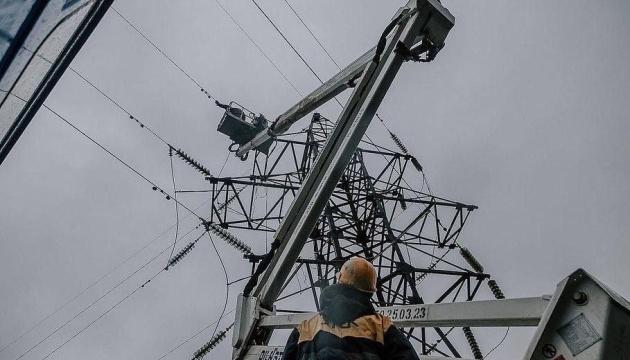
"Energy workers are doing everything possible to return equipment damaged by the enemy to service. Restoration continues both at power plants and at high-voltage substations that ensure nuclear plant power output," Ukrenergo said.
Around-the-clock repair work reduced outage volumes in some oblasts compared to the day before. However, previously published hourly outage schedules temporarily no longer apply in most oblasts. Ukrenergo said a return to predictable schedules will happen only once the energy system stabilizes.
"Russian terror puts all of Europe at risk of a nuclear incident—partners and media need to pay attention and act now to stop nuclear terrorists in Moscow," Ukrainian Foreign Minister Andrii Sybiha said yesterday.
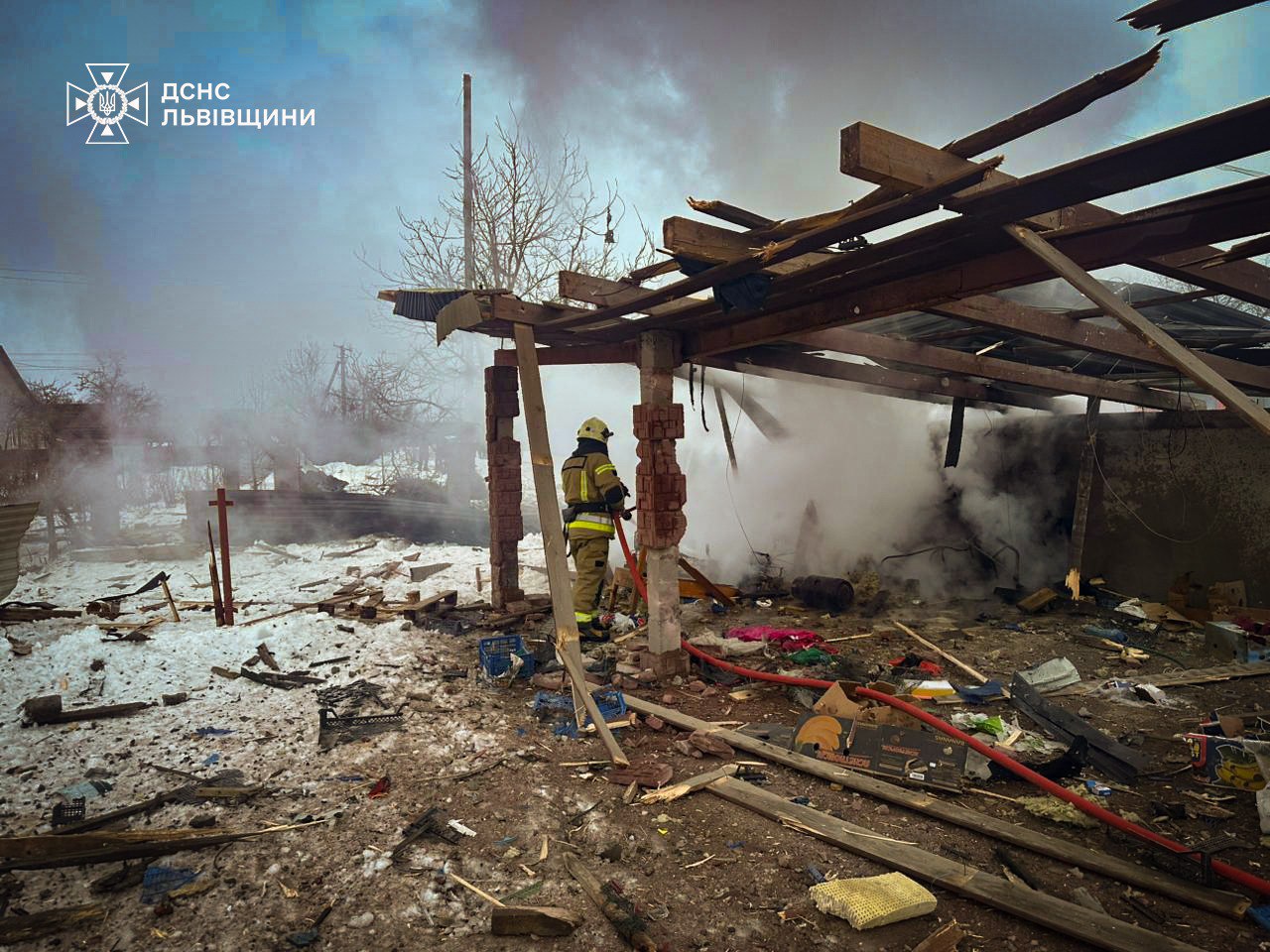
Russia fires 101 more drones from five directions overnight
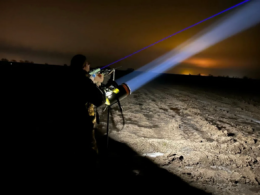
Ukraine's Air Force reported that Russia also launched 101 attack drones last night, starting from 6 p.m. on 7 February. The barrage included Shahed, Gerbera, Italmas, and other drone types fired from Kursk, Oryol, Bryansk, Primorsko-Akhtarsk, and Shatalovo in Russia. About 70 of them were explosive Shaheds.
Ukrainian air defense shot down or suppressed 69 drones across northern, southern, and eastern Ukraine according to preliminary data as of 8:30 a.m. The Air Force noted the attack was still ongoing with enemy drones remaining in the airspace, while 32 UAVs struck targets at 13 locations.
Russian drones hit railway infrastructure in Chernihiv Oblast
Russian forces also struck railway infrastructure in Chernihiv Oblast overnight on 8 February, railway operator Ukrzaliznytsia reported. The attack disrupted suburban and regional rail services in Chernihiv and Sumy oblasts, canceling some routes and delaying two long-distance trains due to power outages, though both have since made up lost time.
Ukrzaliznytsia reminded that the Lozova-Barvinkove-Kramatorsk stretch near the front line remains a high-risk zone, with buses replacing trains on the route.
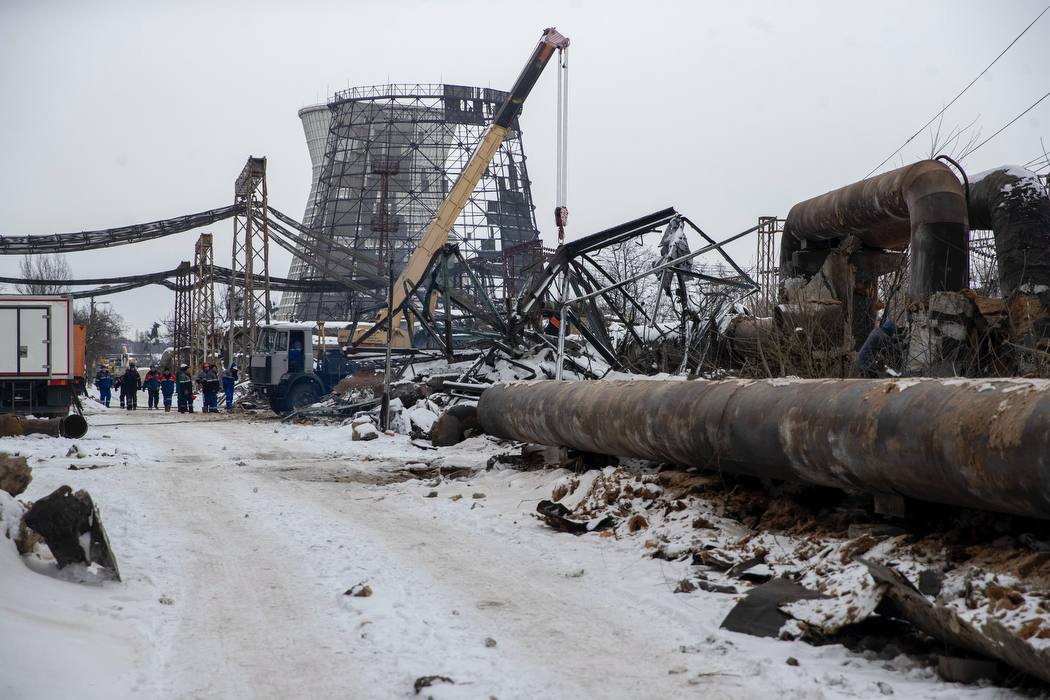
Kyiv residents face months without heat after Russian strike destroys Darnytska power plant
Kyiv returns to temporary schedules while the rest of the country stays dark
DTEK announced on 8 February that energy workers stabilized Kyiv's situation enough to restore temporary outage schedules.
"Despite the massive electricity deficit, we are returning to temporary schedules in the capital," the company said.
The move applied only to Kyiv. The rest of the country remained under emergency blackouts with no timeline for recovery.
Meanwhile, frontline combat doubles as Russia adapts to Starlink ban
The General Staff of Ukraine's Armed Forces reported 294 combat engagements the previous day, nearly double the 153 recorded the day before.