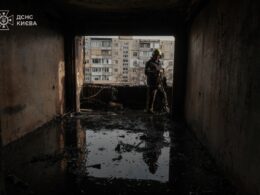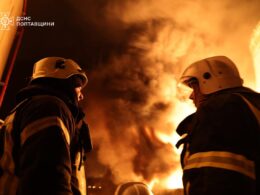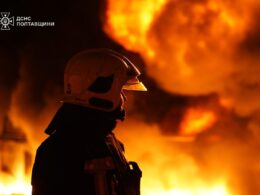

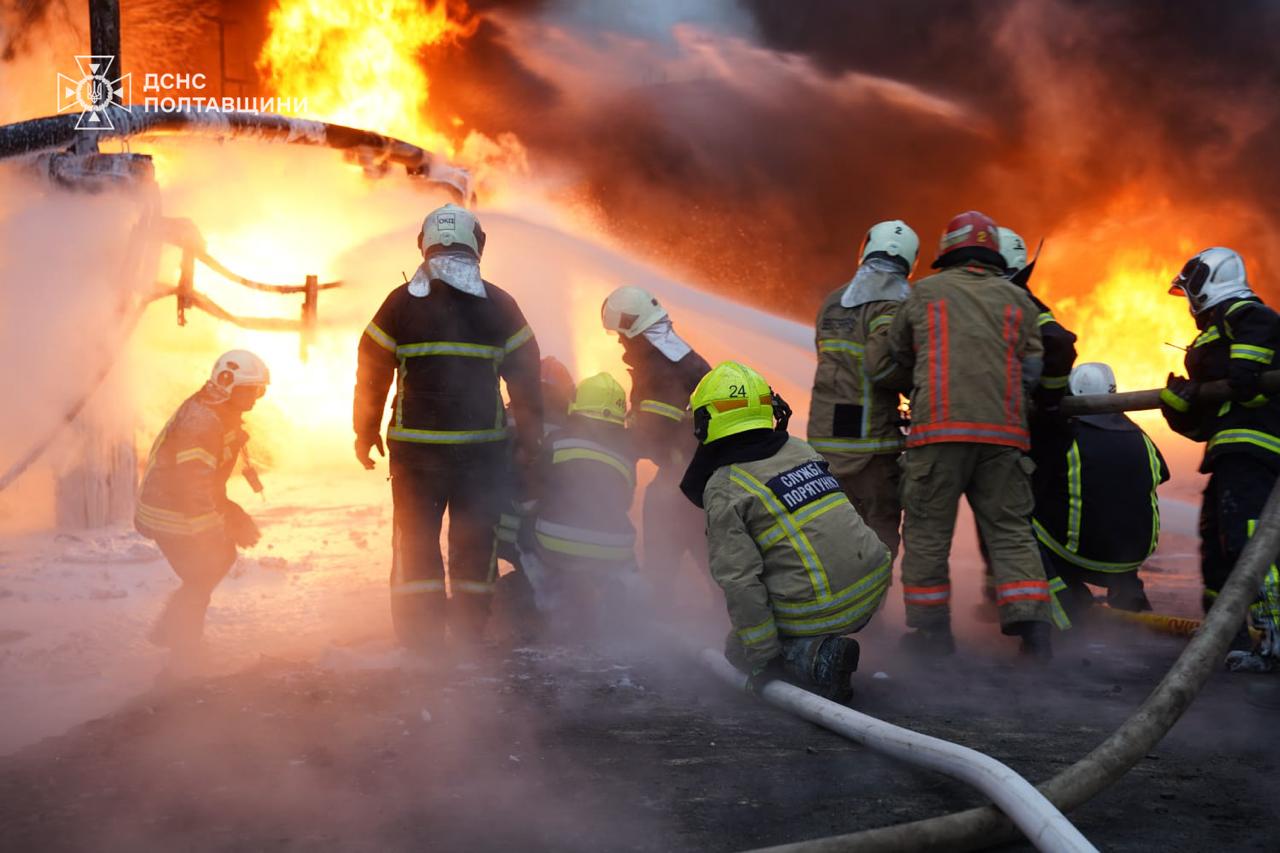
Ukraine's energy infrastructure endured one of its most challenging periods since the 2022 blackout following combined Russian attacks on 20 and 23 January, Deputy Prime Minister Yulia Svyrydenko said. The strikes, coupled with severe frost and damage from previous bombardments, placed extraordinary strain on the national grid.
After the first attack, up to 85% of consumers lost power simultaneously. By week's end, electricity had been restored to 60% of affected areas, according to Svyrydenko. More than 180 repair crews from energy companies, utilities, and railways worked around the clock to restore supplies.
Emergency workers faced extreme conditions during restoration efforts. "Divers from the State Emergency Service worked in icy water throughout the week to repair pipes at one of the thermal power plants," Svyrydenko stated.
President Volodymyr Zelenskyy said that as of the evening of 20 January, over one million consumers in Kyiv remained without electricity. "More than 4,000 apartment buildings are without heat," he said in his evening address.
The government maximized electricity imports and expedited connections for distributed generation. The Ministry of Economy is processing all business requests submitted through the Pulse platform for urgent connection of cogeneration units, Svyrydenko reported.
Kyiv Mayor Vitali Klitschko reported that on 20 January, heat had been restored to over 1,600 residential buildings. However, 4,000 of the 5,635 multi-story buildings that lost heating after the attack remained without heat supply.
The network of Points of Invincibility expanded to operate continuously for up to 48 hours. Over 10,600 points across the country served more than 130,000 people during the week, according to Svyrydenko. Hot meal points were established in residential areas of buildings without gas heating.
The Ministry of Social Policy prioritized requests from people with limited mobility received through the 112 emergency number. "Regular visits to such citizens are organized to provide assistance in conditions without heat in their homes," Svyrydenko said. The State Emergency Service deployed additional assistance points with beds for people with limited mobility.
Small and medium-sized businesses will receive additional support. Individual entrepreneurs of groups 2 and 3 with at least one employee can apply for one-time assistance ranging from 7,500 to 15,000 hryvnia for generators, repairs, and fuel. Zero-percent loans for purchasing energy equipment will be available to entrepreneurs.
Working with mobile operators, the government is ensuring backup power for base stations to maintain connectivity during prolonged outages, Svyrydenko reported.
"Food security is a separate focus of the government," she stated. "We are in constant contact with agricultural producers who ensure stable production and supply of products even during outages."
The government allocated 2.56 billion hryvnia from the budget reserve fund for mobile generation in regions with critical needs: Dnipropetrovsk, Donetsk, Zaporizhzhia, Odesa, Sumy, Kharkiv, and Chernihiv oblasts.
An Energy Ramstein meeting was held this week. "G7+ partners will transfer over 6,000 units of large energy equipment for rapid repairs in the near future and will provide additional contributions to the Ukraine Energy Support Fund," Svyrydenko said.
Zelenskyy said he expects government officials, coordinating with business, to provide a list of actions for energy redistribution by 21 January. "Maximum coordination with business is needed — how to redistribute generation and available consumption so that people can feel stabilization of the situation," he stated.
Following the night attack on 20 January, Russian forces struck Kyiv and the oblast with a combined assault. One person was injured in the Dniprovskyi district, with power, water, and heating disruptions across the left bank of the capital.
The attack left over 335,000 Kyiv residents without electricity and more than 5,635 high-rise buildings without heat. Parts of the city lost water supply.
Due to the electricity situation, Kyiv's metro operated with modifications on 20 January. In the morning, trains on the red line temporarily ran from Akademmistechko to Arsenalna stations with increased intervals. Only two trains operated from Livoberezhna to Arsenalna with approximately 20-25 minute intervals and no stops.