
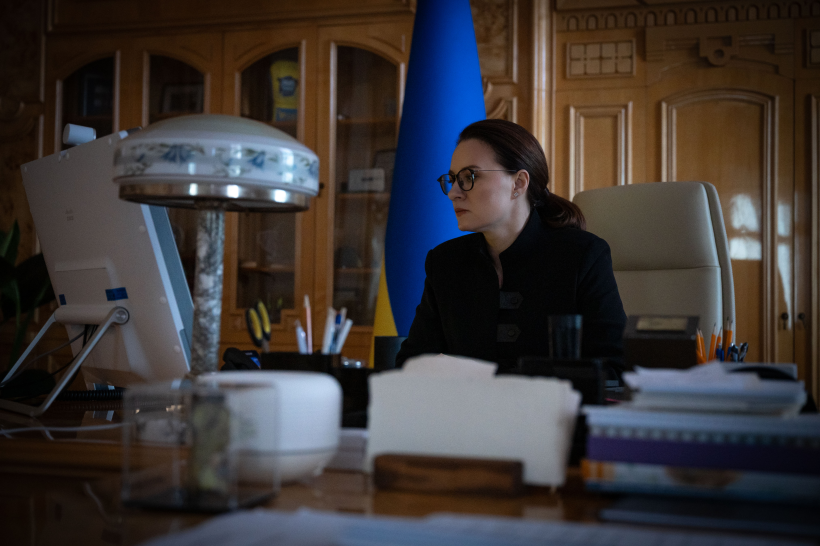
Ukraine has ordered its largest state-owned companies to import at least half the electricity they consume, freeing domestic capacity for civilians as the country battles its worst energy crisis of the war, Prime Minister Yulia Svyrydenko announced on 16 January.
The move comes as Russia's sustained attacks have crippled Ukraine's generating capacity. Energy Minister Denys Shmyhal told parliament on 16 January that "not a single power plant" has escaped Russian strikes, with 612 combined attacks targeting energy infrastructure in 2025 alone.
Freeing megawatts for households
The directive targets three of Ukraine's biggest industrial power consumers: national railway Ukrzaliznytsia, state energy giant Naftogaz, and defense conglomerate Ukroboronprom.
Together, they consume significant portions of Ukraine's strained grid. Shifting half their demand to imports would release additional megawatts for households struggling through rolling blackouts.
Racing to boost imports
Svyrydenko said the government has "created all the conditions" for an urgent increase in electricity imports from the EU. Ukraine has been importing power from neighboring countries since Russia began targeting its grid in 2022, but the current crisis demands a dramatic scale-up.
Incentives for private generation
The government is also pushing private businesses to contribute power to the grid. Svyrydenko announced a special gas price of UAH 19,000 per cubic meter for cogeneration facilities in frontline areas and said the government is developing additional financial incentives for entrepreneurs who supply electricity to critical infrastructure.
Bureaucratic barriers are being removed: businesses can now procure equipment and build generation facilities without additional permits, and the National Energy and Utilities Regulatory Commission is simplifying grid connection procedures.
Kyiv's second week of emergency
The measures follow an emergency meeting ordered by President Volodymyr Zelenskyy as Kyiv enters its second week of energy emergency.
The 9 January attack left half the capital without heating as temperatures dropped to -15°C. While heating has been restored to most buildings, the city remains on emergency blackout schedules.