

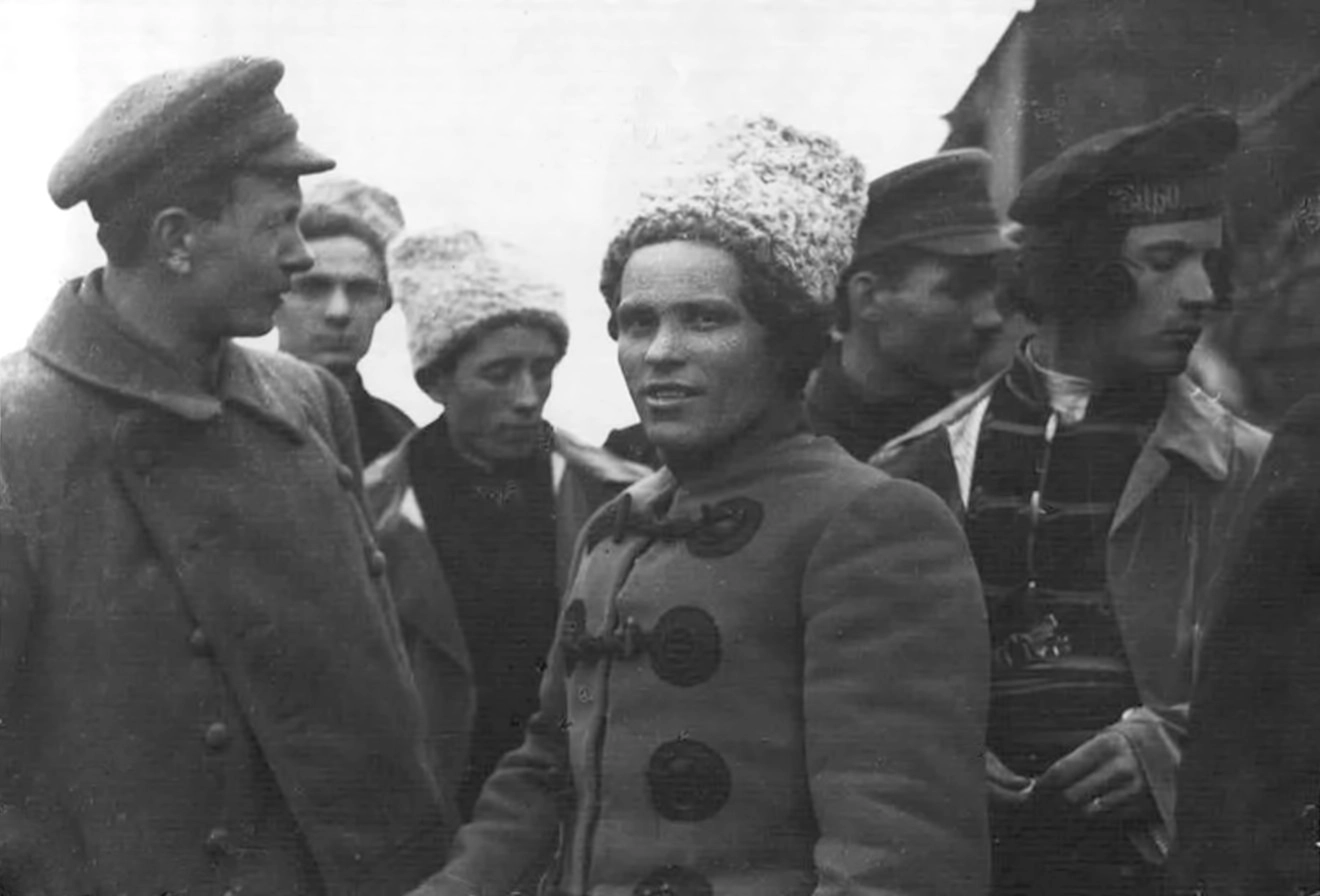
Russian propaganda is spreading claims that Ukrainian soldiers "looted" and destroyed the Nestor Makhno Museum in Huliaipole, Zaporizhzhia Oblast, Ukraine's Center for Countering Disinformation reported on 14 January.
The reality runs opposite to Moscow's narrative. Russian artillery methodically destroyed the museum over months of continuous bombardment, and Ukrainian authorities publicly evacuated the collection to save it from annihilation—facts documented in official records and news coverage from August 2024.
Russian shelling destroyed Makhno Museum in Huliaipole
Huliaipole sits just five kilometers from Russian positions and has endured daily shelling since May 2022. The pre-war population of 13,000 has collapsed to fewer than 2,000 residents, with almost every building damaged or destroyed, according to Freedom News. In May 2024, Russian shelling destroyed the head of the Makhno monument in the city center.

In August 2024, local authorities working with the Zaporizhzhia Regional Museum openly evacuated the museum's artifacts, announcing the operation on official community resources. There was no secret removal or "looting"—just a desperate attempt to preserve history before Russian shells finished their work.
On 23 August, they ran out of time. A Russian strike set the museum ablaze. The building burned to the ground.

"When our symbol of freedom, the monument to Nestor Makhno, was destroyed during one of the shellings, the people of Huliaipole lost hope," Serhii Yarmak, head of the Huliaipole City Military Administration, wrote after residents restored the damaged monument in September 2024.
Who was Nestor Makhno and why does Russia target his memory?
Nestor Makhno commanded the Revolutionary Insurgent Army of Ukraine from 1918 to 1921, fighting against the Bolshevik Red Army, the White Army, and foreign occupiers who sought to impose their rule over southern Ukraine. Born in Huliaipole in 1888, he led a peasant movement that at its peak fielded 20,000 fighters and controlled large areas of what is now Zaporizhzhia Oblast, according to the International Encyclopedia of the First World War.
The Bolsheviks twice allied with Makhno against the White Army—remnants of the Russian Empire—then betrayed him both times. After helping defeat them in Crimea in November 1920, Bolshevik forces turned their guns on Makhno's movement. He fled across the Romanian border in August 1921, dying in Paris exile in 1934.
For contemporary Ukraine, Makhno represents resistance to Russian imperial control—a man who chose to fight Moscow's forces when collaboration would have been easier. That memory carries particular weight in a city that has spent nearly three years under Russian bombardment.
Russia's systematic destruction of Ukrainian cultural heritage
The Huliaipole museum joins a grim catalog. UNESCO has verified damage to 514 cultural heritage sites in Ukraine since February 2022, including 38 museums and 268 buildings of historical or artistic interest, according to the organization's latest assessment from 10 December 2025.
On 15 January, a Russian drone struck a children's playground meters from the Stepan Bandera monument in central Lviv. Mayor Andriy Sadovyi called it "a symbolic place—the one the aggressor fears most."
Both figures represent Ukraine's long struggle against external control. Makhno, despite tactical alliances with the Bolsheviks, ultimately recognized their true nature and fought them until forced into exile. Bandera continued that resistance against Soviet rule decades later.
Cultural identity erasure as genocide policy
The targeting of sites commemorating such figures fits a broader pattern.
In June 2024, the Parliamentary Assembly of the Council of Europe adopted a resolution confirming that the erasure of Ukrainian cultural identity constitutes an instrument of Russia's war against Ukraine and an element of genocide policy.
"All public symbols of Ukrainian statehood and cultural identity are being systematically dismantled," the Atlantic Council noted in March 2025. "It is a colonial war of the most brutal kind that aims to destroy Ukraine as a state and as a nation."


