


Latvia's National Armed Forces and State Border Guard have reported direct evidence linking Belarusian military and law enforcement personnel to organized illegal migration operations targeting the EU border, including documents belonging to a soldier from a reconnaissance battalion stationed in Vitebsk.
The revelation transforms what Minsk had dismissed as mere smuggling into documented hybrid warfare. Latvia completed a 280-kilometer fence along its Russian border in December 2024 and a 145-kilometer barrier on the Belarusian border—but physical infrastructure cannot stop a coordinated state operation. The evidence arrives weeks after the EU expanded its Belarus sanctions regime to target individuals conducting hybrid attacks, with Lithuanian Foreign Minister Kestutis Budrys warning that European and American approaches to Lukashenka's regime are diverging sharply.
What the evidence shows
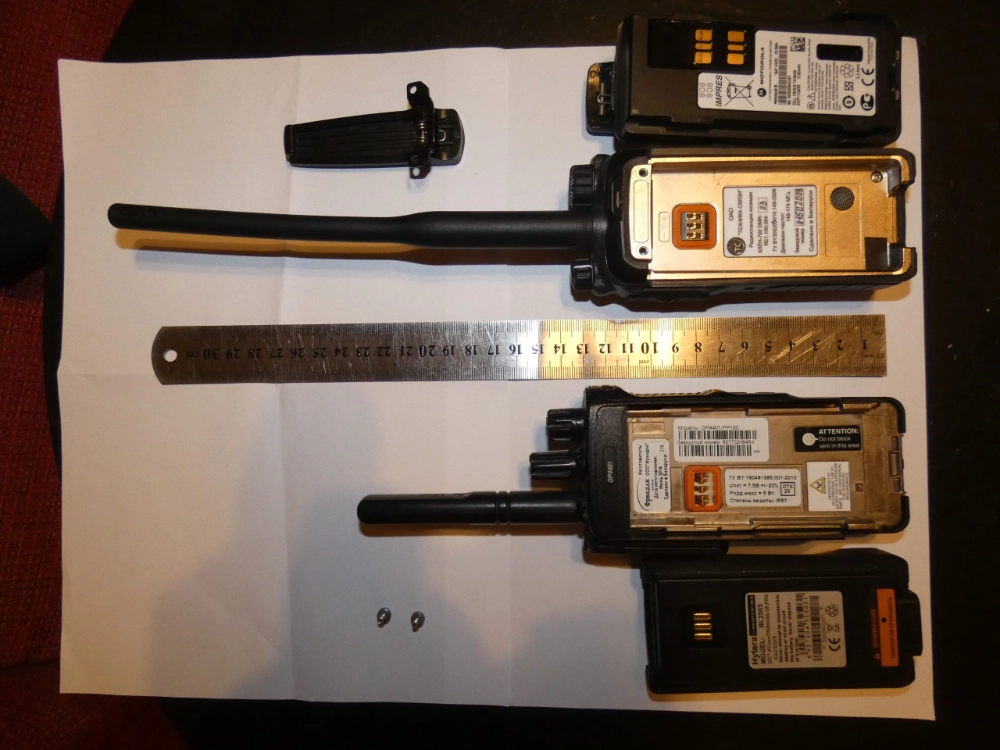
Border guards found documents and communication equipment belonging to a soldier from the reconnaissance battalion of Belarus's 19th Guards Mechanized Infantry Brigade on a detained migrant. The materials included internal military documentation and records of issued equipment—items that suggest the soldier either directly participated in the operation or provided his credentials to facilitate it.
Mobile phones seized from other detained migrants contained images of Belarusian border guards alongside illegal crossers, including photographs inside military-type vehicles. Cases have been documented showing Belarusian border guards transporting migrants to launch points for crossing into Latvia.
Current findings suggest the border pressure extends far beyond mere contraband.
Reconnaissance and electronic warfare
The Latvian military reported that some migrants appear to have been used for intelligence gathering, though specific details weren't disclosed. The National Armed Forces and State Border Guard also documented electronic warfare emanating from Belarusian territory, disrupting communications and navigation systems in the border area.
This mirrors the pattern seen in Lithuania, where contraband balloons launched from Belarus have disrupted hundreds of flights, costing Vilnius Airport alone approximately €200,000 in direct losses in October and November 2025. Lithuania declared a state of emergency on 9 December, with experts assessing the incidents as Belarus and Russia jointly testing EU limits.
A warning to enablers
Latvia's military issued a pointed message to anyone facilitating migrant movements: "Anyone who directly or indirectly supports the infiltration, transportation, and accommodation of illegal border crossers not only violates Latvian legislation, but may even unknowingly assist us in operations organized by the special services of hostile countries."
The purpose of such operations, according to the National Armed Forces: "reconnaissance, sabotage, or other hostile activities in Latvia and elsewhere in Europe."
Since 2021, Latvia's State Border Guard has worked with the National Armed Forces and State Police to counter organized migration pressure—a partnership the military describes as having developed "excellent cooperation" in defending the country's eastern border.