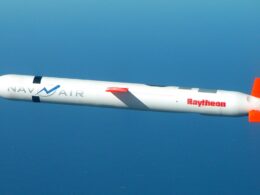


The UN Security Council will convene on 12 January to discuss the situation in Ukraine following Russia’s use of the intercontinental ballistic missile “Oreshnik” near NATO borders. The missile reportedly traveled at a speed of about 13,000 km/h and struck Lviv Oblast, per Agence France-Presse.
The relevant plan had been delivered to Russian President Vladimir Putin, and the US was awaiting a clear response from the Kremlin on whether it accepts it. The following day, that “response” came in the form of a missile strike.
Moscow signals it views Ukraine as its territory
The security guarantees plan included, among other elements, the potential deployment of allied troops to train Ukrainian forces. However, one day before the attack, Russia stated that it would treat even unarmed foreign contingents as "foreign intervention."
This stance indicates that Moscow effectively does not recognize Ukraine’s sovereignty and intends to maintain this logic even after any formal cessation of hostilities.
"One of the most terrifying attacks of the war"
Alongside the launch of the Oreshnik, Russia carried out a massive attack on Kyiv, firing ballistic and cruise missiles in six waves. At least five people were killed. Parts of the capital were left without heating and water as temperatures dropped to –15°C. Residents described the night as one of the most terrifying of the war.
Russia has officially acknowledged the use of the Oreshnik and claimed it was retaliation for an alleged attack on Putin’s residence, a claim denied by both Kyiv and the CIA.
In a letter to the UN Security Council, Ukraine’s ambassador Andrii Melnyk has stressed that the strike represents a serious and unprecedented threat to the security of the entire European continent.
Ukraine has no capabilities to down the Oreshnik missile that carries six warheads. Even the advanced Patriot air defense missile system can't intercept it due to its speed.