
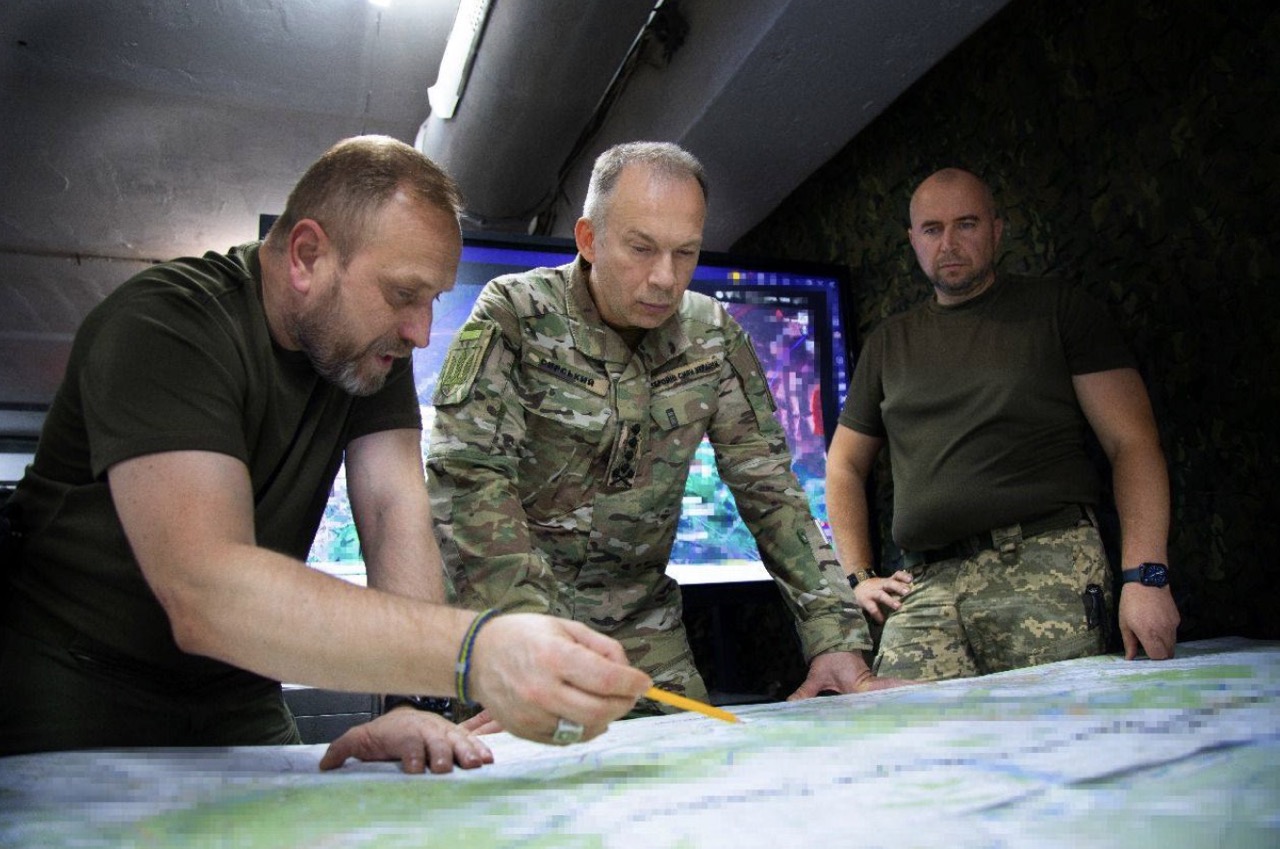


In October 2025, Vladimir Putin awarded Colonel General Sergei Kuzovlev the "Hero of Russia" medal for capturing Kupiansk. The Kremlin announced the strategic city had fallen after a year-long offensive.
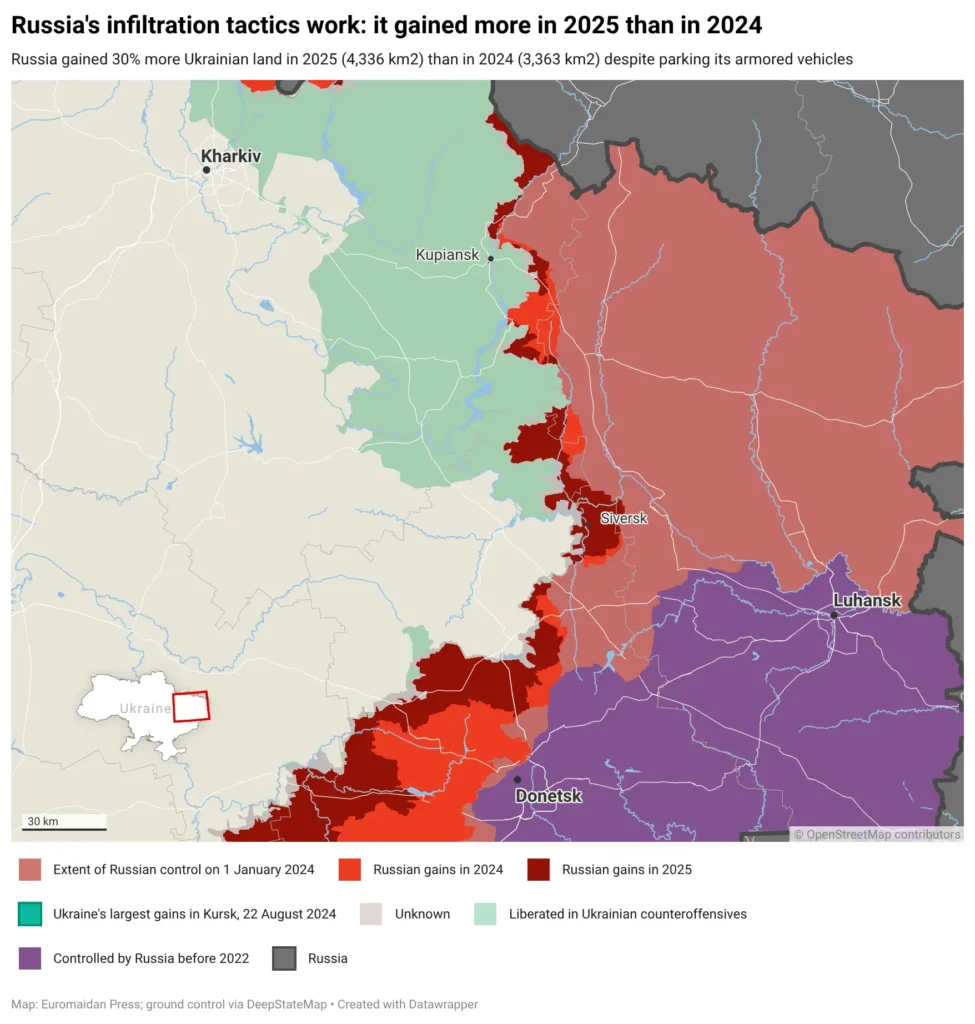
Two months later, Ukrainian President Volodymyr Zelenskyy visited Kupiansk and recorded a video from its streets. A Ukrainian counterattack had pushed Russian forces out. Putin, according to reports, could not believe the Ukrainian president was standing in a city his generals told him Russia controlled.

Around the same time, Russian forces walked into Siversk almost unopposed. An investigation revealed that the commanders of the 54th Mechanized Brigade and 10th Mountain Assault Brigade had systematically falsified reports—claiming to hold positions their troops had abandoned long before. Russian forces captured the city with minimal resistance.
Two cities. Two lies. One shared inheritance.
Russia lost Kupiansk because Putin's generals told him they held a city they didn't. Ukraine lost Siversk because brigade commanders told their superiors they held positions they didn't.
The disease is the same: commanders telling leadership what it wants to hear, at the cost of soldiers' lives and territory.
The question is whether either system can break the cycle. Whoever does will gain a decisive advantage.
The Soviet inheritance
"The organizational culture of the Defense Forces is built so that each link tries to report to its leadership what it wants to hear, regardless of the real state of affairs," Taras Chmut, head of the Come Back Alive foundation, told Ukrainska Pravda in December 2025. "Because if you report the truth, you get removed from your position."
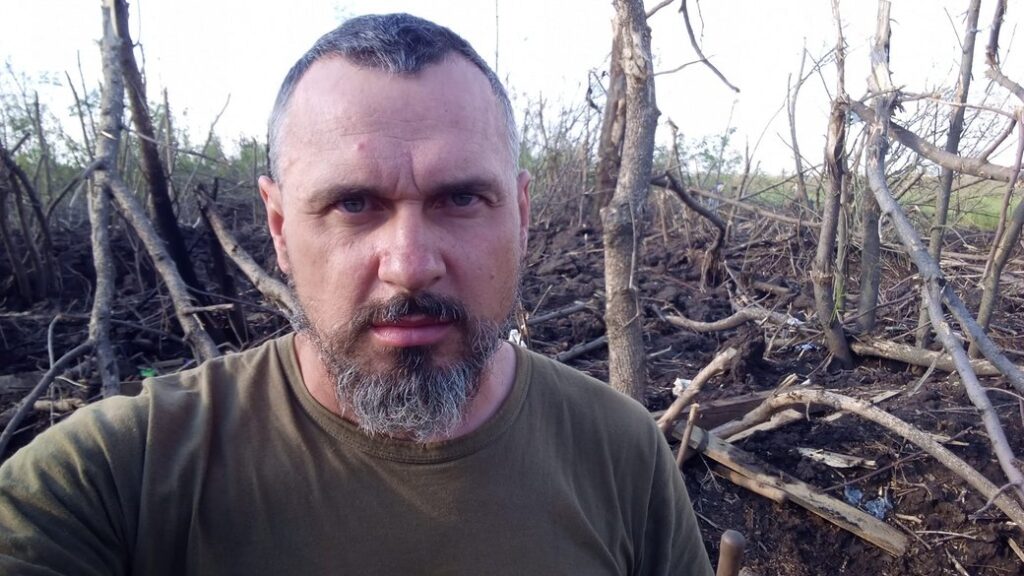
A major investigation by Ukrainska Pravda documented the scale. "The amount of lying in our state is enormous. And in the army it has simply some immeasurable volume," filmmaker and battalion commander Oleh Sentsov told the outlet. "Unfortunately, we remain a small Soviet army fighting a large Soviet army."
Military journalist Yuriy Butusov was blunter: "The command system in the Armed Forces of Ukraine is built on lies and irresponsibility."
Bogdan Krotevych of the Azov brigade posed the systemic question: "Why do our brigade commanders lie? Who built such a system? If they tell the truth, then what? They'll get investigated, cussed, transferred to some other position... the lying starts from the high command."
The same culture exists in Russian forces. ISW noted that milbloggers Rybar and Dva Mayora have long criticized field commanders who produce "beautiful reports" that deliberately inflate advances—reports "that subsequently result in unnecessary losses."
Both armies inherited the same Soviet pathology—rewarding those who tell superiors what they want to hear and punishing those who deliver uncomfortable truths. The difference lies in what happens when lies get exposed.
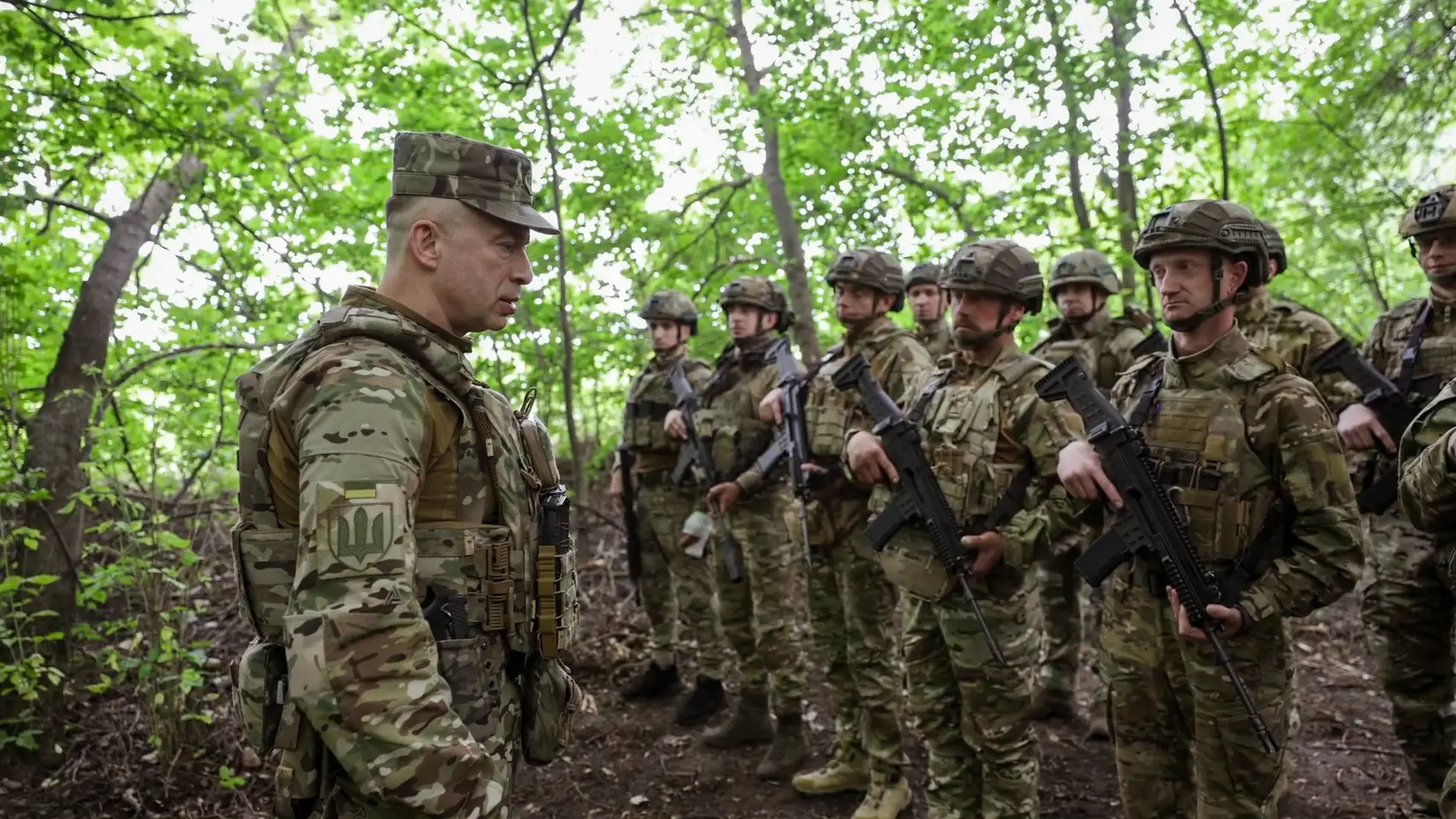
“Certainly not a Russian model”: Ukraine’s assault architect confronts accusations of meat-wave tactics
Two responses
In Ukraine, the Siversk brigade commanders were fired—after they got caught. The problem was acknowledged publicly. In October, Commander-in-Chief Oleksandr Syrskyi had traveled to the Pokrovsk front and declared: "A commander who hides the truth about the situation on the battlefield has no right to be a commander." President Zelensky followed up: "If the commander doesn't report, we change the commander."
External verification exists. DeepState's open-source maps often reveal territorial losses before official reports, forcing command to confront discrepancies. Civil society actors like Butusov and Chmut document failures publicly.
This is not a cure. It is reactive, not preventive. Commanders are punished when lies surface spectacularly, not because the system rewards truth-telling. But it is a crack in the wall.
The crack showed its shape in June 2024.
Bohdan Krotevych, chief of staff of the Azov brigade, filed a complaint against Lt. Gen. Yurii Sodol, commander of Joint Forces, accusing him of ordering advances without ammunition and opening investigations against commanders who refused. "He killed more Ukrainian soldiers than any Russian general," Krotevych wrote.
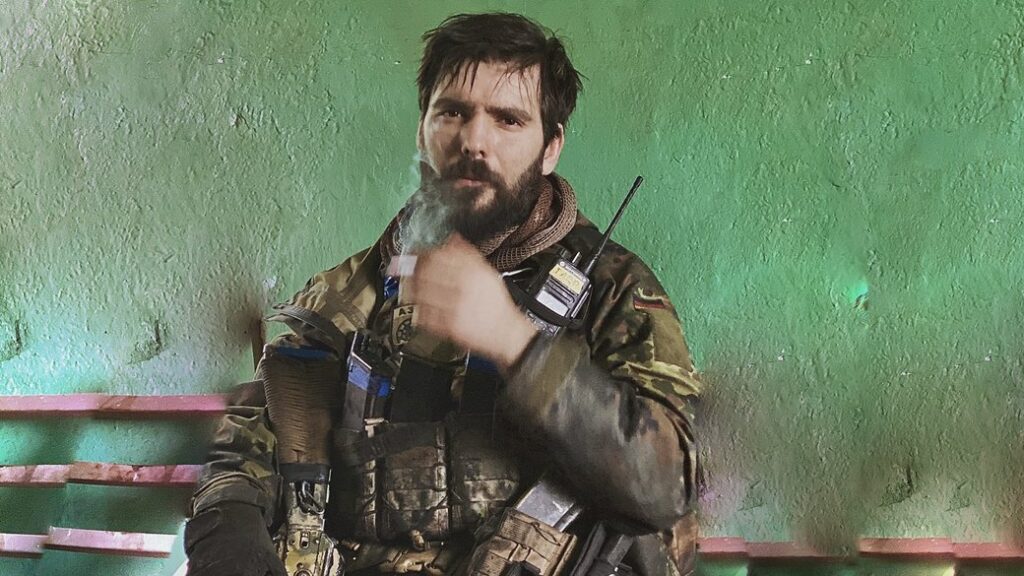
The same day, Zelenskyy fired Sodol.
But the SBI refused to open a case against him personally. Krotevych said he was told that "higher-ups" had ordered the matter blocked. It took a court order to force an investigation. By November, Sodol had been medically discharged—effectively beyond prosecution.
The new brigades can force a firing. They cannot yet force a trial.
Russia has no such crack. Colonel General Gennady Anashkin was dismissed in November 2024 after milbloggers accused his subordinates of falsifying reports. But Anashkin was an operational commander—expendable. The strategic yes-men who feed Putin's delusions remain untouchable.
Chief of the General Staff Valery Gerasimov continued exaggerating battlefield gains through December 2025. No independent verification reaches the top. There is no DeepState, no Butusov, no mechanism that forces command to confront its own lies.
Ukraine's operational liars face consequences when caught. Russia's strategic liars do not.
Why Russia's system cannot correct
Days after the February 2022 invasion stalled, Putin turned on the FSB's Fifth Service—the intelligence branch that told him the invasion would be easy. Colonel General Sergei Beseda was sent to Lefortovo Prison. Up to 150 FSB officers were fired.
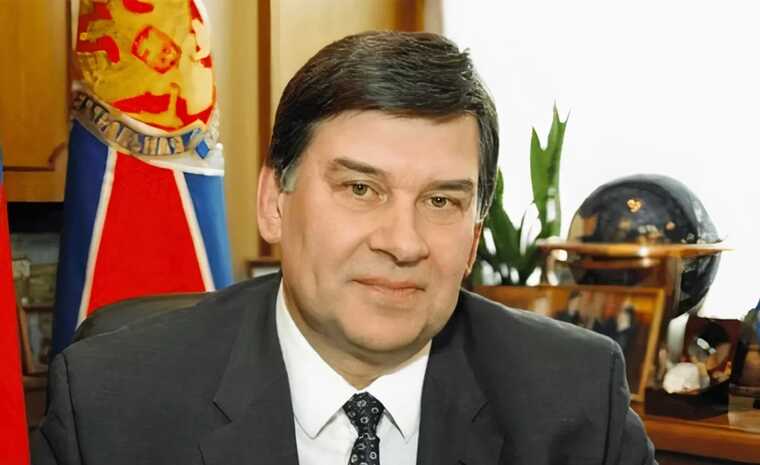
Andrei Soldatov and Irina Borogan, Russian investigative journalists who have tracked the FSB for decades, wrote that the Fifth Service, "fearful of his responses, seems to have told Putin what he wanted to hear."
The lesson the system learned was not "tell the truth." It was "don't get caught."
The contrast with Russian economic officials is striking. Central Bank Chair Elvira Nabiullina warned in June 2025 that Russia's economy is "running on empty." ISW noted that Kremlin officials overseeing the economy present more truthful reports to Putin than military leaders. Economic data is harder to fake. And Nabiullina's domain does not threaten Putin's self-image as a military genius.
Putin's protected inner circle
If falsified reports lead to battlefield disasters, why does Putin keep the people who produce them? Because the system selects for loyalty over competence—and because the inner circle learned from the 2022 purges that survival requires telling Putin what he wants to hear.
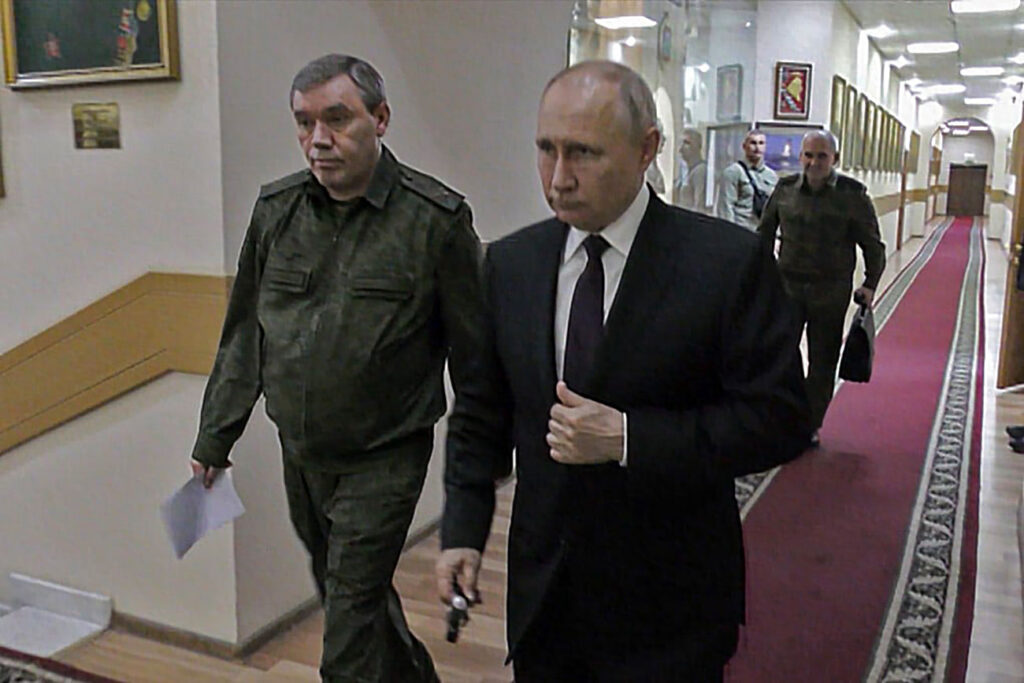
Valery Gerasimov, Chief of the General Staff, was part of the inner circle that convinced Putin to invade in 2022, predicting little resistance. Under his command, Russia has suffered catastrophic losses. His value lies elsewhere: he has personally dismissed generals suspected of disloyalty—including the competent but independent Sergey Surovikin.
Trending Now
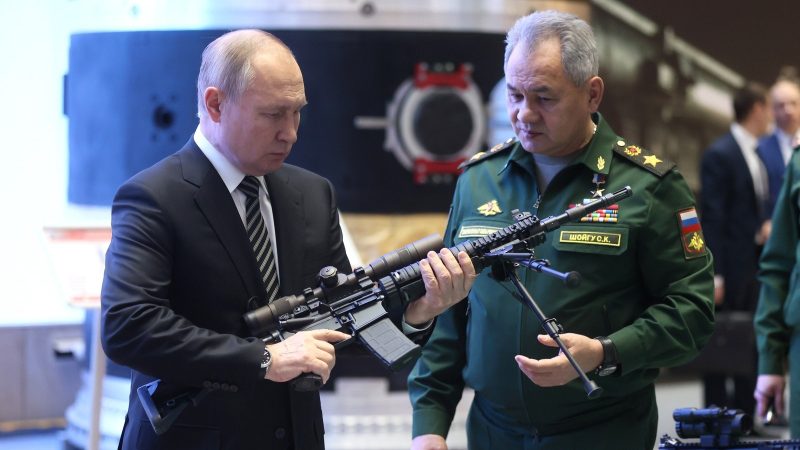
Sergei Shoigu, former Defense Minister, lobbied Putin for the invasion. On 29 December 2025, ISW reported Putin summoned him after the Kupiansk humiliation. Shoigu has been sidelined—but not purged. Yevgeny Prigozhin, who was willing to tell the truth about losses, blamed Shoigu directly. Prigozhin is dead. Shoigu remains.
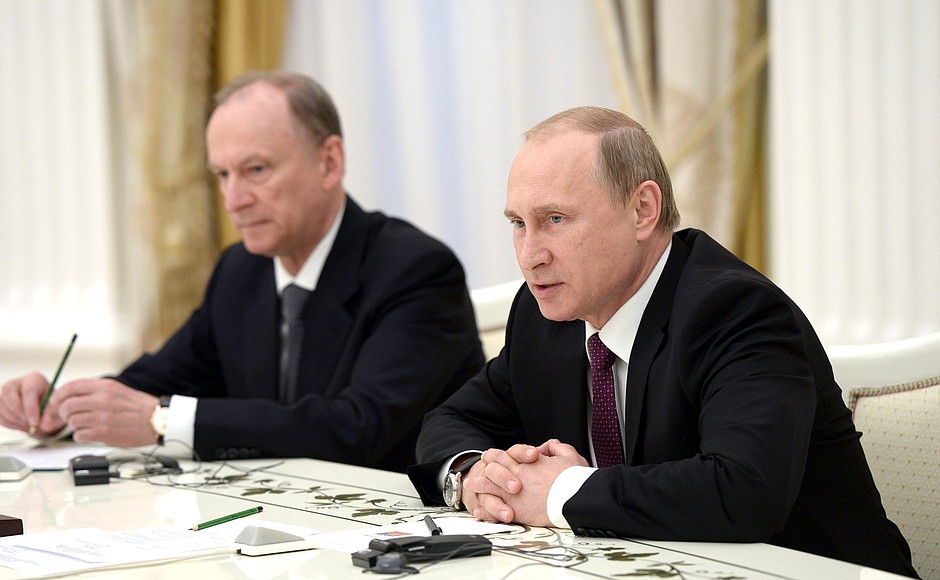
Nikolai Patrushev, former FSB director, has known Putin since their KGB days. He reportedly promoted false reports of imminent Ukrainian capitulation. It did not happen. Patrushev has been moved to a shipbuilding role—sidelined, but not purged.
The pattern has precedent. Hitler's inner circle was devoted to him rather than military reality; field commanders launched Operation Valkyrie to arrest his yes-men before Germany suffered irreversible defeat. No such rift is visible in Russia. The professional military has been subordinated. The yes-men are secure.
The race neither is winning
Ukraine's problem is real. "We lose people partly not because of the enemy's strategic skill, but because of the incompetence of our own command," Chmut said. "Names change, but the system remains the same."
But Ukraine has something Russia lacks: external mechanisms that can expose lies when they matter. When the Siversk truth surfaced, brigade commanders were fired. When the Kupiansk truth surfaced, Putin summoned his inner circle—and kept them.
That difference is not a cure. Ukraine is not fixing the disease; it is treating symptoms when they become visible. But Russia cannot even do that.
A counter-culture forms
But something else is happening—slowly, in specific units.
"The Third Assault has formed an entirely new approach and is building a new army on the Kozak model, not the purely statutory one," a deputy battalion commander from the 3rd Assault Brigade told Telegraf in December, invoking the freedom-loving warriors who escaped Polish serfdom in the 17th century.
"Creativity, speed of decision-making, accountability. And most importantly—honesty and truthfulness between everyone going into battle together."
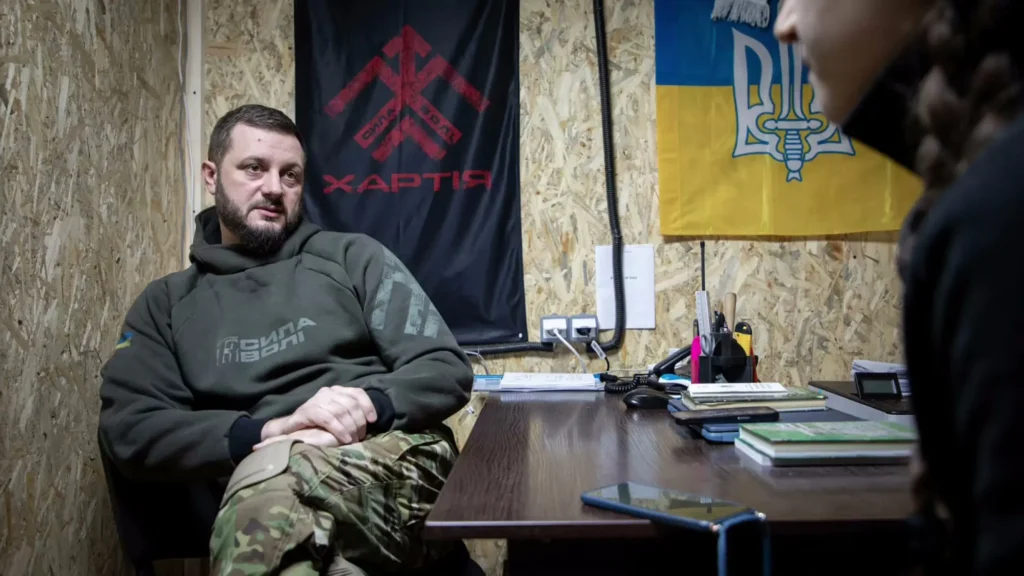
The 3rd Assault is now the 3rd Army Corps, commanded by Andriy Biletskyi. The 12th Azov Brigade became the 1st National Guard Corps under Denys Prokopenko. The 13th Khartia Brigade became the 2nd National Guard Corps under Ihor Obolenskyi.
All three corps explicitly define themselves as alternatives to the inherited Soviet culture—and all three are now training the brigades under their command in their methods.
"Azov was among the first Ukrainian military units to transition to NATO standards—before the full-scale invasion—in staff organization, operation planning, and combat management," Prokopenko said when the corps was formed in April.
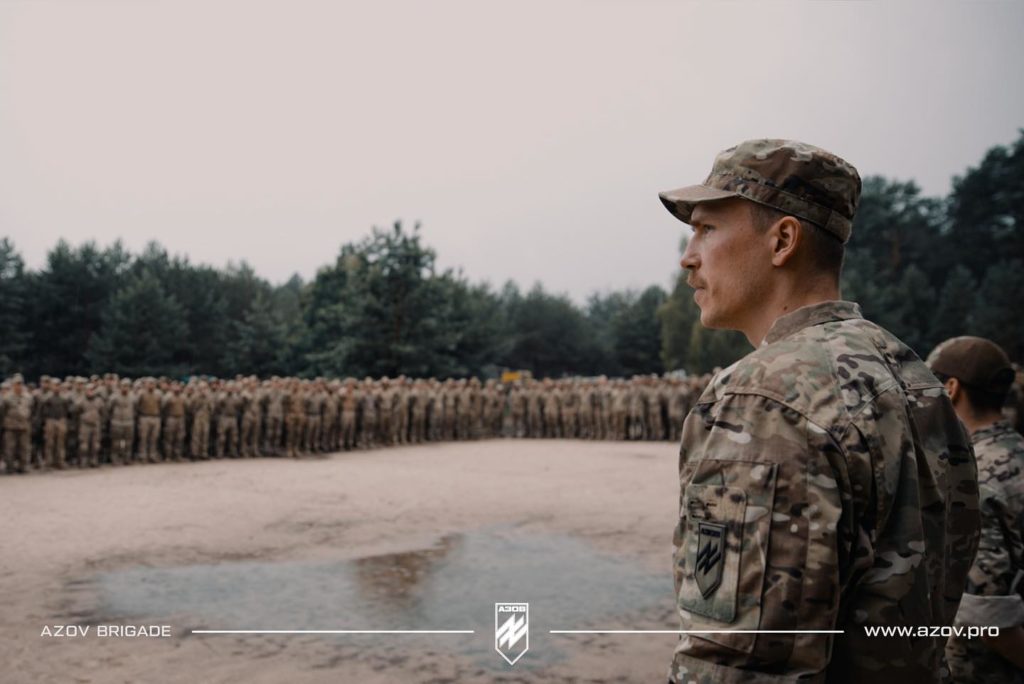
The practical difference became visible in December. When Biletskyi took command of the troubled 125th Mechanized Brigade—where families had reported dozens missing after unprepared soldiers were sent into combat—the new brigade commander sent incompetent officers to serve in infantry positions.
"Commanders bear responsibility for their people's lives and must know the price of wrong decisions," Biletskyi wrote.
In some brigades, the Soviet culture ran deep: the 60th Mechanized Brigade had operated three separate mess halls—one for enlisted, one for staff officers, one for the brigade commander alone. Under corps command, officers now eat what soldiers eat.
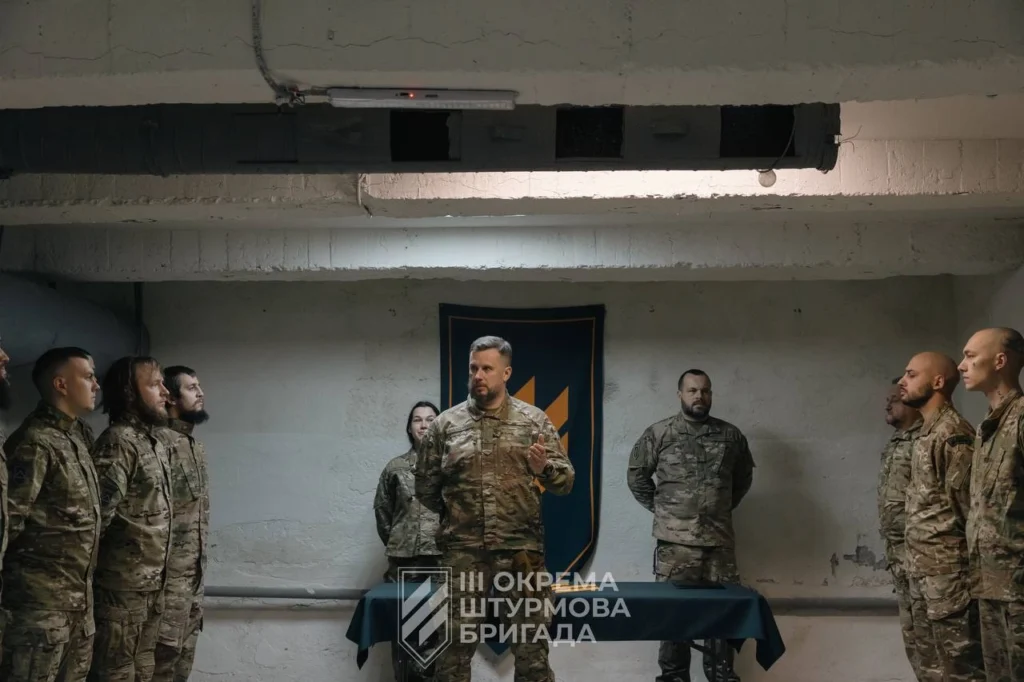
American military analyst Michael Kofman, asked about Biletskyi's critique, told Ukrainska Pravda:
"Obviously there is tension in the Ukrainian military between two cultures. On one side, the culture of a new army, innovation, independence at the junior officer level in making decisions on the battlefield. On the other—the culture of centralized command, often defined as Soviet."
That tension is real. The 3rd Army Corps alone holds 120 kilometers of the front—roughly 10% of the active line. The two National Guard corps cover additional sectors.
Russia has critics too—Prigozhin, General Ivan Popov—but criticism there is commentary, not institutional reform.
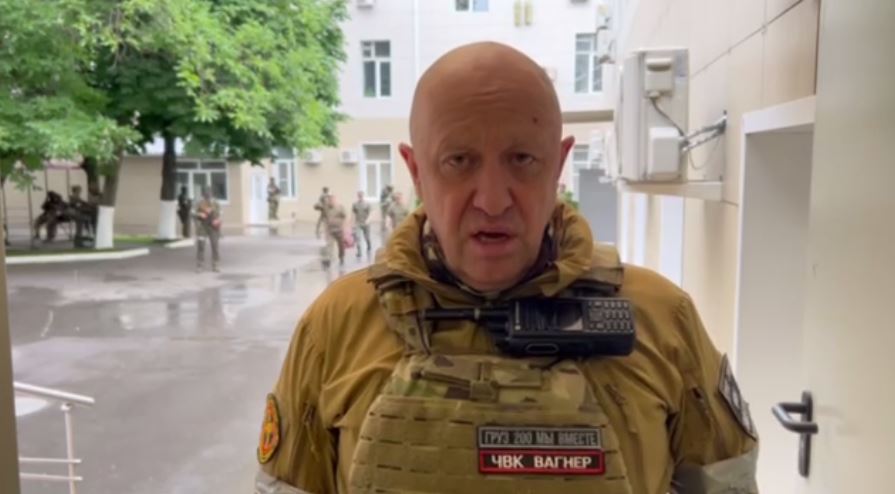
Popov was arrested on fraud charges and assigned to command a convict battalion—ISW called it "effectively a death sentence." No Russian unit has adopted truth-telling as an organizational principle. No Russian corps is training other brigades in alternative methods.
Ukraine's counter-culture is institutional. Russia's is suppressed.
Ukraine's new brigades are still islands in a sick system. But islands can grow.
The race continues
The Kupiansk debacle will happen again—because the system that produced it remains intact. Generals still compete to deliver optimistic fiction. And Putin still makes decisions based on a war that exists only in his briefing room.
The Siversk debacle may happen again too—the old culture still dominates most of the army. But commanders got fired. And a counter-culture is now actively training brigades in a different way.
Whoever breaks the cycle first gains the edge. Over a million Russian casualties suggest Putin's inner circle is in no hurry to try. Ukraine's new corps commanders are trying now.
The race is not yet won. But only one side is running.


