


Two undersea cables were damaged in just a few days in the Baltic Sea, with both cases now under criminal investigation—Latvia and Finland are probing what appear to be coordinated acts of sabotage targeting European critical infrastructure.
Latvia investigates sabotage of undersea cable near Liepāja
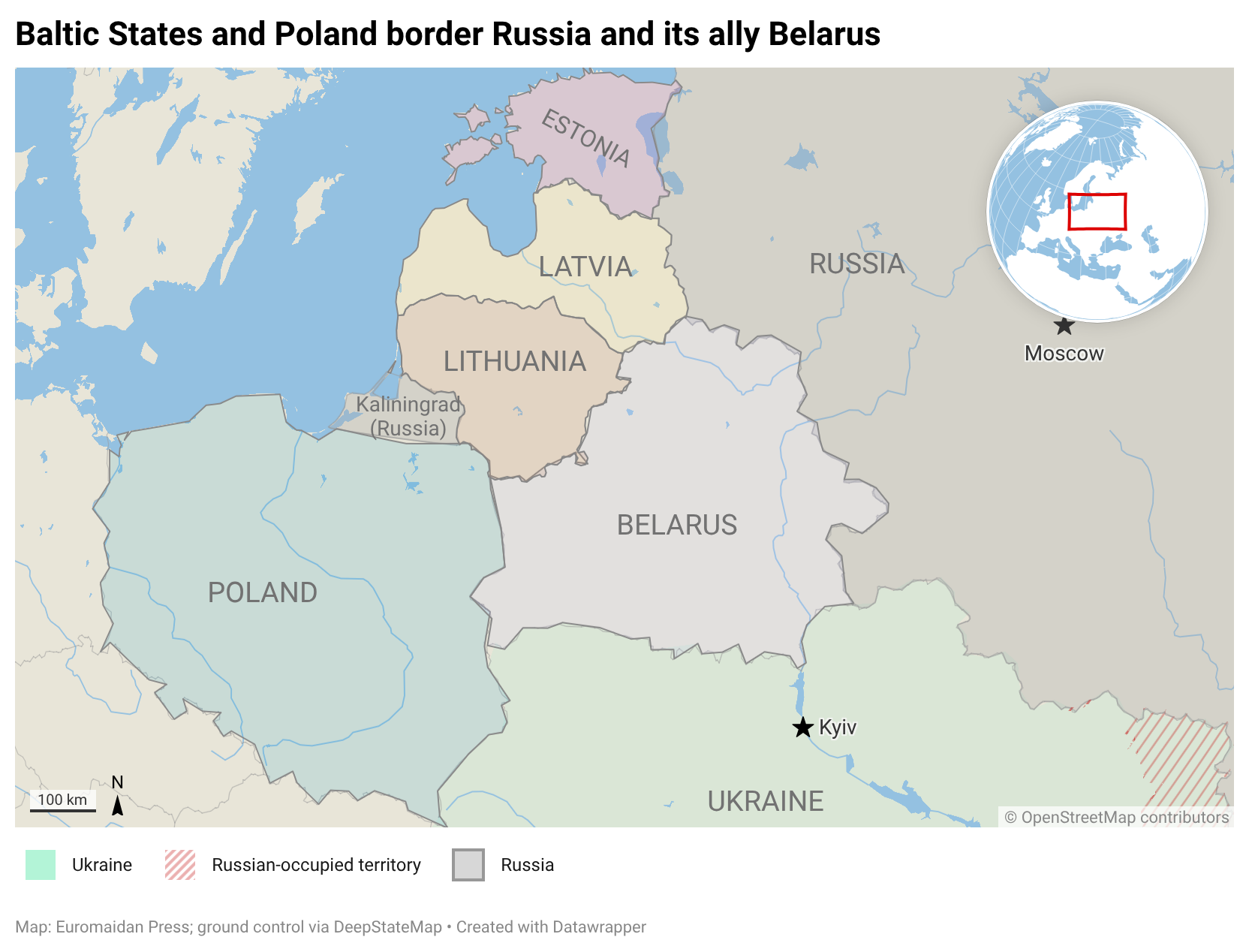
A vital undersea optical cable connecting Latvia and Lithuania was damaged just kilometers from the port of Liepāja, the head of Lithuania’s National Crisis Management Center (NKVC), Vilmantas Vitkauskas, told LRT Radio on 5 January. The breach occurred in Latvia’s territorial waters and was first detected on 2 January at around 11 p.m. by Lithuania’s NKVC, which then alerted Latvian authorities.
Latvia has opened a criminal investigation, and law enforcement boarded a ship currently docked in Liepāja. Officers are communicating with the crew, but no arrests have been made. Latvian Prime Minister Evika Siliņa confirmed that the case is being handled as a criminal matter.
According to Vitkauskas, Latvia is now working to determine the responsible party.

Swedish Navy spots armed Russian military personnel aboard shadow fleet tankers in Baltic Sea
“The ship has been identified, communication with the crew is underway, and we are looking into the possible consequences of this entire incident,” he said, adding that Lithuania and Latvia are coordinating closely but declining to share further details to avoid disrupting the ongoing investigation.
The cable in question—linking Liepāja and Šventoji—has operated since 1995 and is owned by Swedish telecommunications provider Arelion. It is part of the broader critical infrastructure that connects Baltic nations with Scandinavian internet networks.
Arelion also operates a separate cable from Šventoji to Sweden’s Gotland Island, which was damaged last spring.
Second cable hit days earlier between Finland and Estonia
The damage near Liepāja came just days after another suspected sabotage event struck an undersea cable between Finland and Estonia. Finnish authorities reported that a telecommunications line was deliberately cut on 31 December. The think tank Institute for the Study of War (ISW) has noted that the authorities "have not yet attributed a specific actor to the incident."
As LRT and BNS reported, Finnish police detained the Fitburg, a 132-meter ship traveling from St. Petersburg to Haifa, Israel, under suspicion of cutting the cables. Fourteen crew members were taken into custody after suspicions emerged that the vessel’s anchor may have damaged the cable in the Gulf of Finland.

The Finnish–Estonian cable is separate from the one affected off Liepāja. Both cases are now under investigation, with no conclusive attribution made public yet. However, both incidents are being treated as deliberate and coordinated strikes on European infrastructure.
Growing threat of Russian hybrid warfare in the Baltic
According to ISW, these two back-to-back cable incidents are unfolding against the backdrop of Russia’s intensifying “Phase Zero” hybrid campaign.
"The December 31 and January 2 undersea cable incidents come against the backdrop of Russia’s intensifying 'Phase Zero' campaign to destabilize Europe, undermine NATO’s cohesion, and set the political, informational, and psychological conditions for a potential future Russian war against NATO," the think tank wrote.


