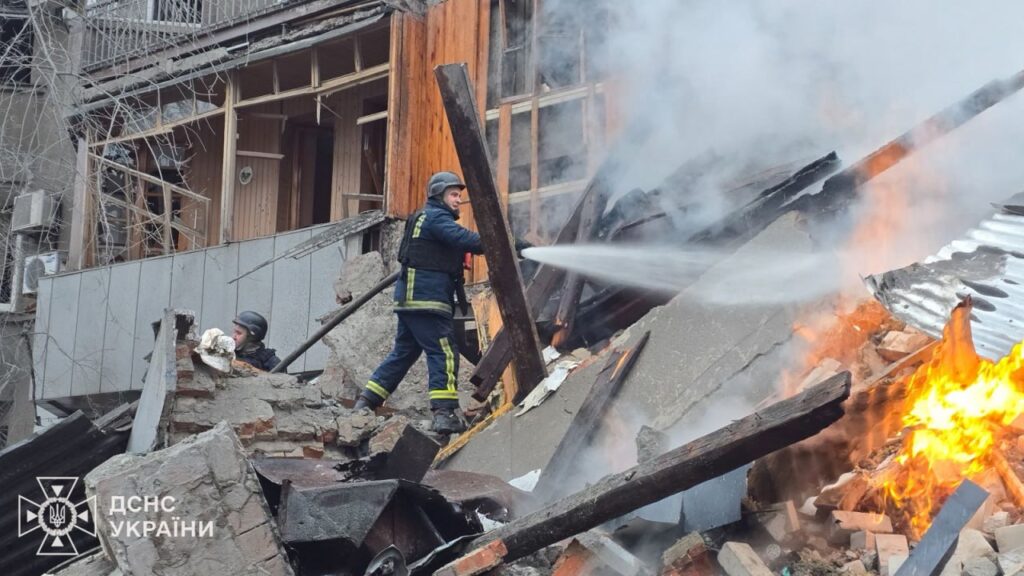

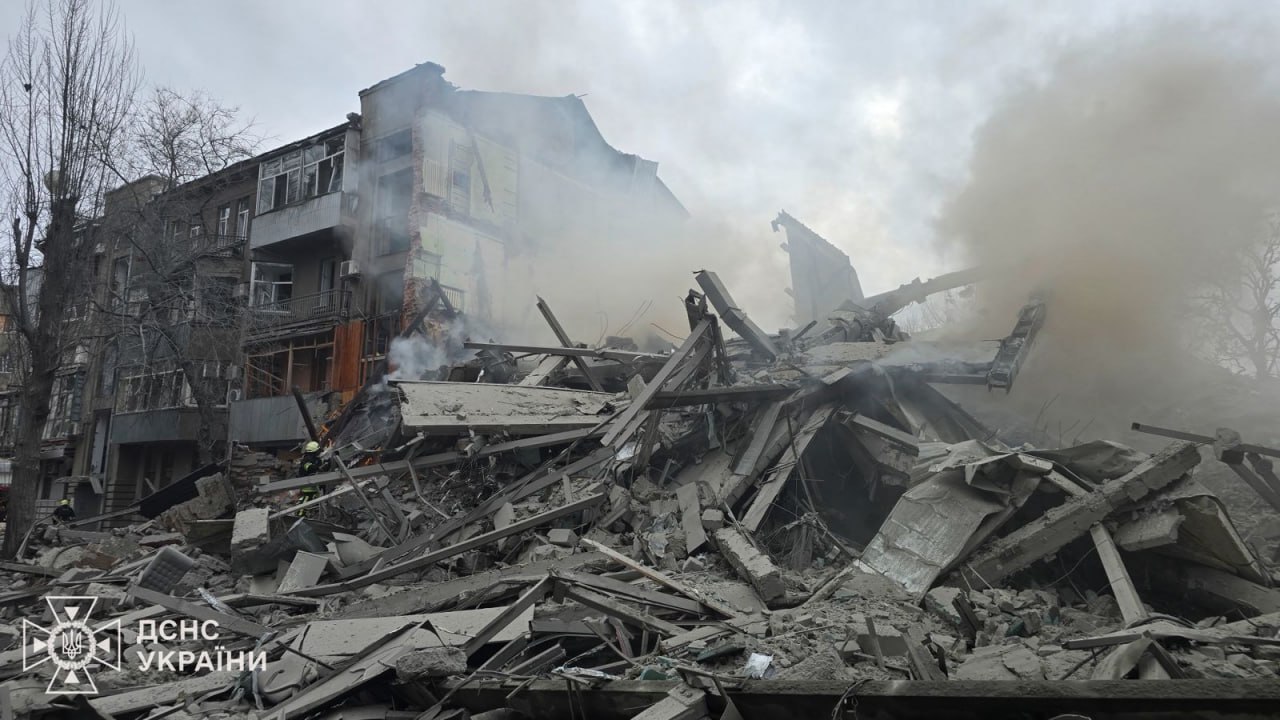
Russian forces struck central Kharkiv on January 2, hitting a multi-storey residential building and killing at least one child, while injuring 30 civilians including a six-month-old infant.
Kharkiv is Ukraine’s second-largest city, located near the Russian border in the country’s northeast. Since the start of Russia’s full-scale invasion in 2022, the city has been repeatedly targeted by missile, drone, and artillery strikes, despite remaining under Ukrainian control.
Child's body recovered from rubble
Child's body recovered from rubble
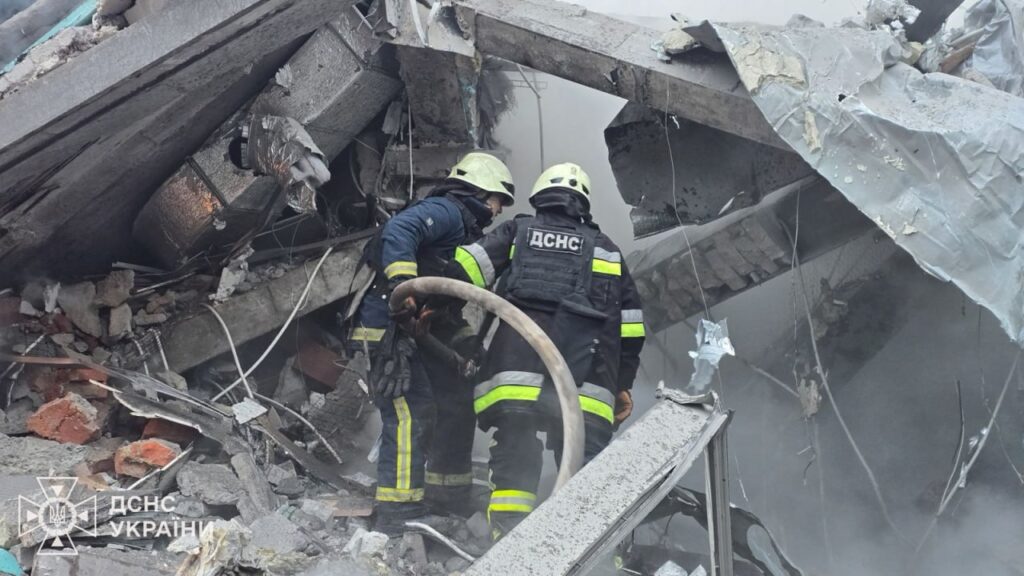
Rescuers recovered a child's body from beneath the rubble of the residential building as the search and rescue operation continued into the evening, Kharkiv Mayor Ihor Terekhov reported.
Missiles strike residential high-rise in Kyivskyi district
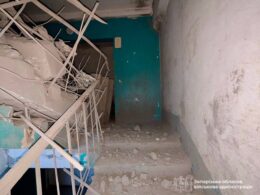
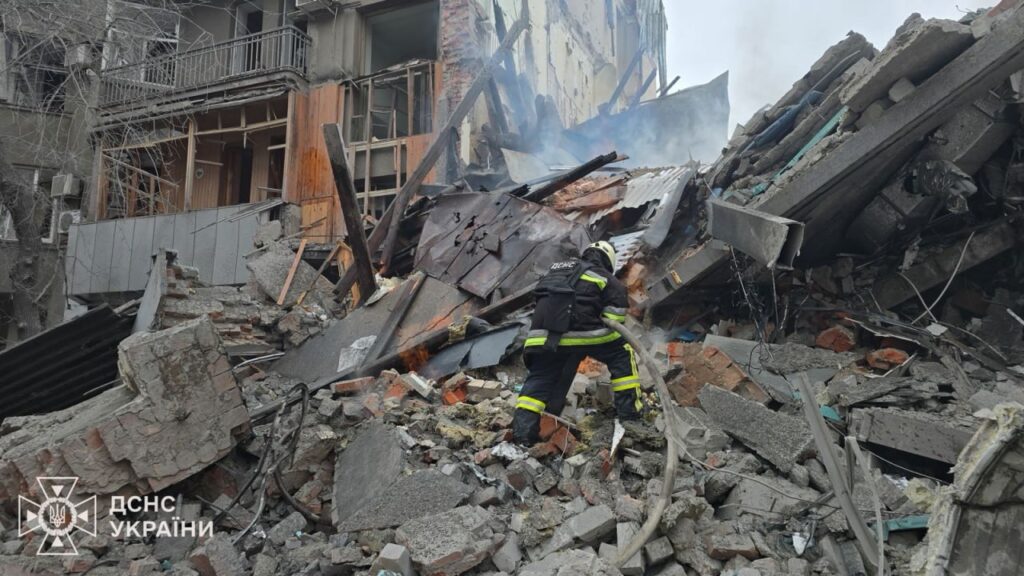
Terekhov said the strike hit a residential high-rise in the city’s Kyivskyi district, causing severe damage to the building.
Kharkiv regional authorities reported that emergency services were deployed immediately after the attack, with search and rescue operations launched amid fears that people could be trapped under the rubble.
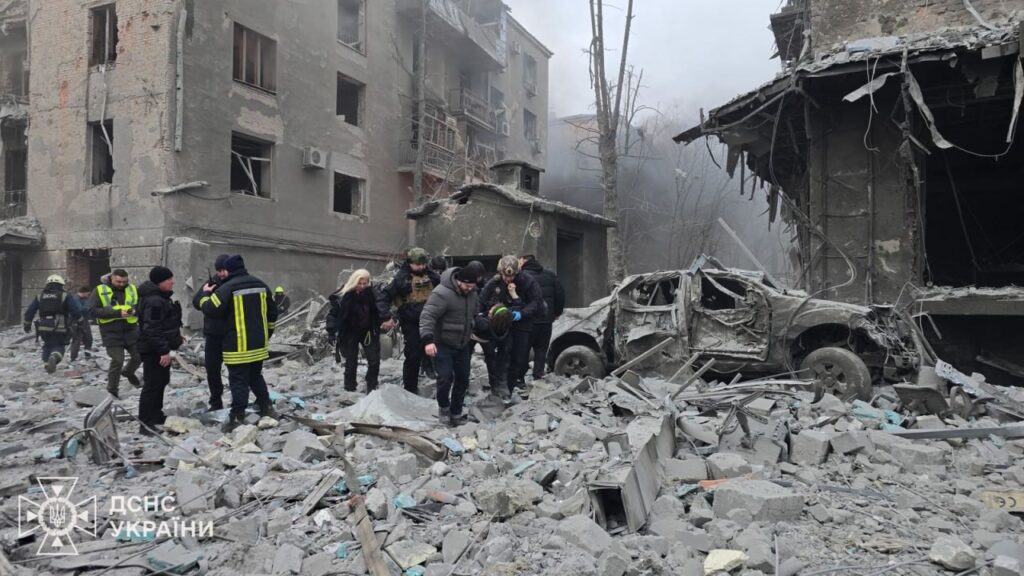
Victims range from infant to 79-year-old
Terekhov later said the number of injured had risen to 30 in the evening, as rescue operations continued at the site of the strike.
Kharkiv Regional Military Administration head Oleh Syniehubov confirmed that the injured include a six-month-old child, with the remaining victims aged between 20 and 79.
Most of the wounded suffered blast injuries and cuts from shattered glass, while one person required assistance for acute stress.
Zelenskyy condemns "horrific" strike
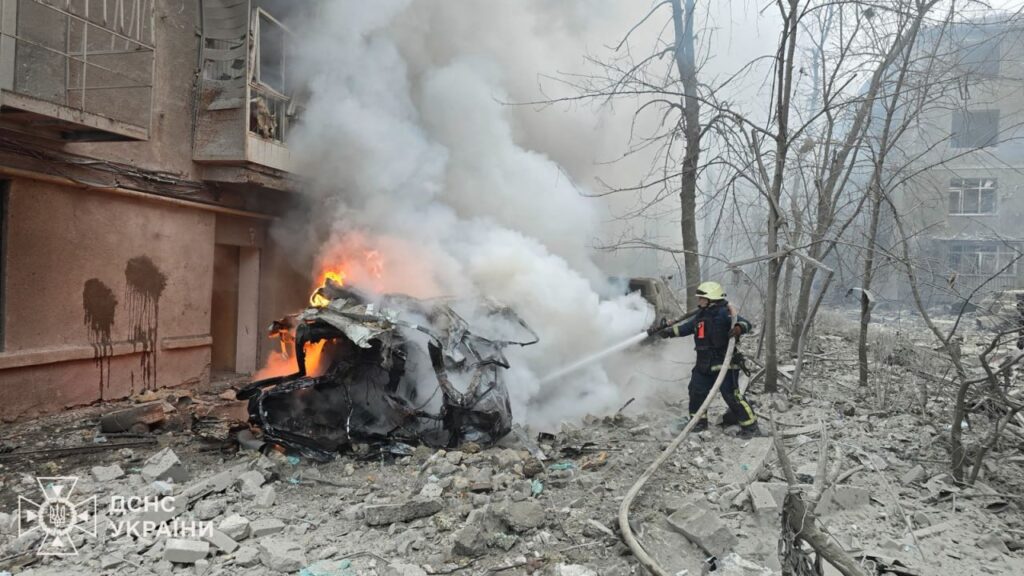
Ukrainian President Volodymyr Zelenskyy said Russia launched two missiles at Kharkiv, striking residential areas and heavily damaging one apartment building.
“This is a horrific Russian strike on Kharkiv. Two missiles, preliminarily, directly into residential buildings,” Zelenskyy said, adding that all necessary emergency services were working at the site.
Although Russian forces failed to capture Kharkiv throughout the war, its proximity to the border has made it a frequent target of long-range attacks, with residential areas and civilian infrastructure regularly hit.