

On 30 December, the US Treasury issued a press release titled “Treasury Targets Iran-Venezuela Weapons Trade.” It announced new sanctions on Iranian and Venezuelan individuals linked to arms deals.
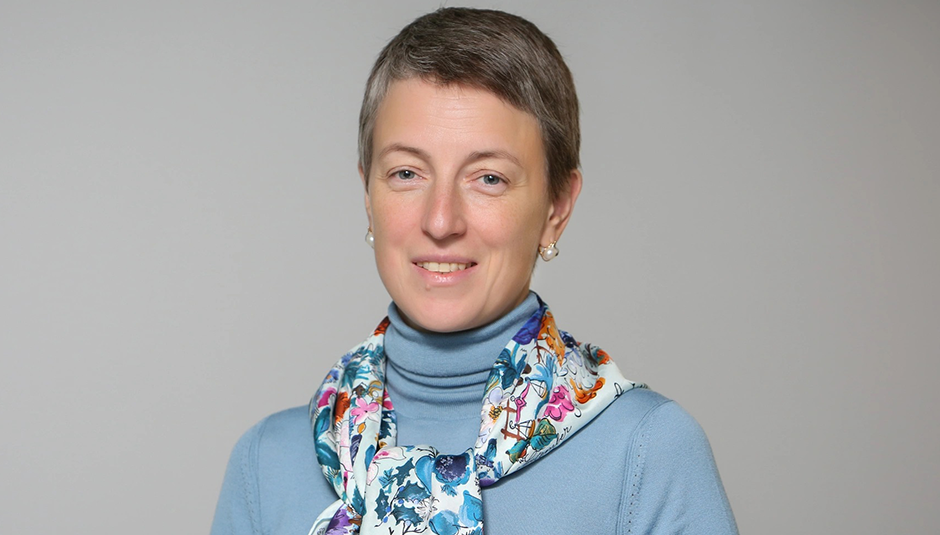
What the press release did not mention: the same OFAC update quietly removed Alexandra Buriko, former chief financial officer of Russia’s largest bank, from the sanctions list.
Her name appears only in the technical document, under “deletions.” No explanation. No announcement. No press release.
The pattern
This is how Russia sanctions erode: loudly on the way in, silently on the way out.
When Treasury designated Buriko in May 2022, it issued a press release naming her among “individuals and entities critical to Russia’s ability to wage war against Ukraine.”
She was one of eight Sberbank executives sanctioned that day. The announcement titled “US Treasury Takes Sweeping Action Against Russia’s War Efforts” made headlines.
Her removal made none—until Reuters noticed her name in the technical file and reported it. Even then, Reuters cited “a post on the US Treasury Department website” without specifying it was buried in an update headlined about Iran.
The announcement titled “US Treasury Takes Sweeping Action Against Russia’s War Efforts” made headlines.
Buriko resigned from Sberbank shortly after the 2022 sanctions hit. In December 2024, she sued the Treasury in a federal court in Washington, D.C., arguing that her continued designation was unlawful since she had severed ties with the bank. Court filings show the two sides negotiated throughout 2025.
She got what she wanted. The lawsuit remains technically pending, but her name is off the list.
Who else walked out quietly
Buriko wasn’t alone in the 30 December deletions. OFAC also removed several individuals previously sanctioned for ties to Intellexa Consortium, the commercial spyware network accused of targeting journalists and government officials: Sara Hamou, a Polish national in Cyprus; Andrea Gambazzi, a Swiss national; and Merom Harpaz, an Israeli-Romanian dual national.
No explanation for their removal either.
Throughout December, OFAC has delisted multiple Russia-linked individuals and shell companies.
Throughout December, OFAC has delisted multiple Russia-linked individuals and shell companies in Cyprus, Finland, Türkiye, and the UAE—firms previously accused of supplying Russia’s military. Each removal appeared in technical updates. None received press releases.
Trending Now
The UK House of Commons Library noted this week that the Trump administration “has not removed, or relaxed, any of the main sanctions against Russia.” The core programs remain. But names keep disappearing from the lists—and unless someone reads the fine print, nobody notices.
The template
Buriko’s path offers a model: resign after sanctions, wait until attention fades, sue, negotiate quietly, get delisted without fanfare. Others who stayed at their posts remain frozen out.
Sberbank itself remains under heavy US restrictions. But its former CFO is free to travel and access assets again.
The question is who follows. Dozens of Russian executives and oligarchs were sanctioned after the 2022 invasion. Some, like Mikhail Fridman, are fighting through international arbitration. Buriko found a quieter door—and Treasury held it open without saying a word.


