

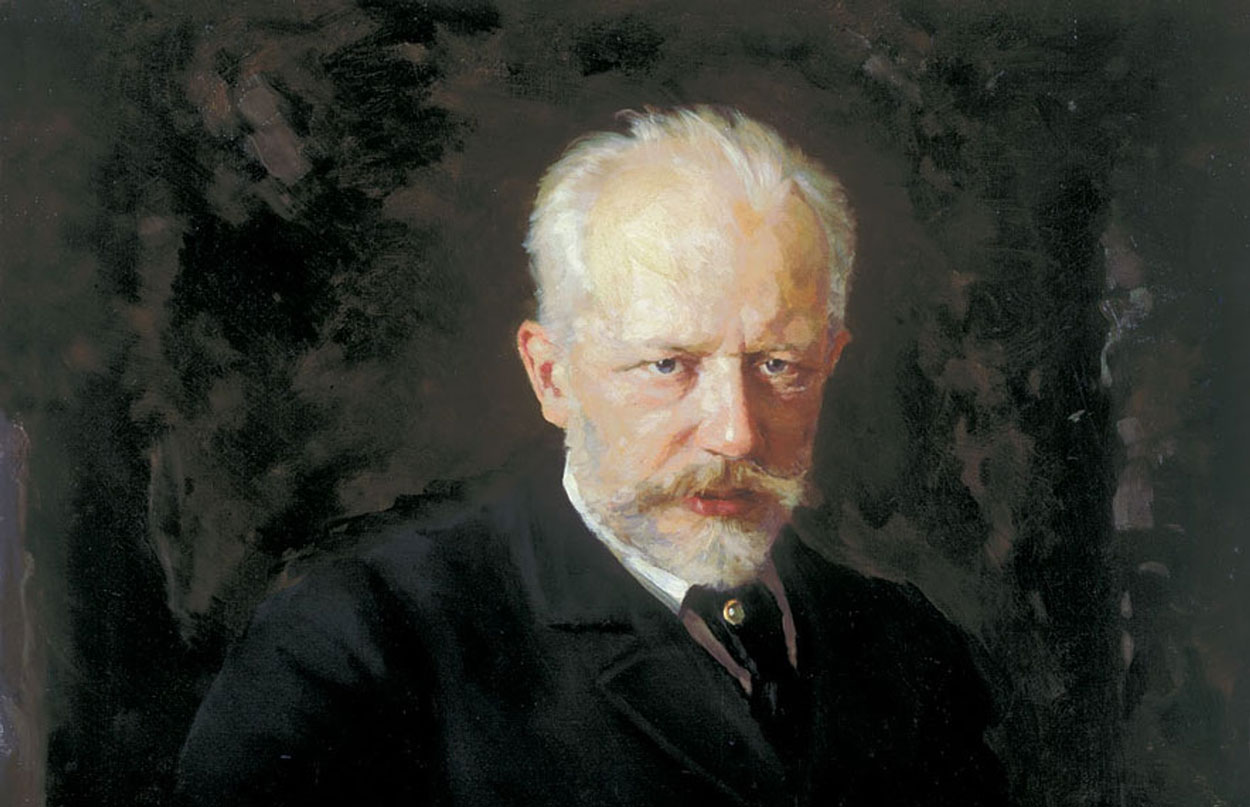
Ukraine’s top music school — the Kyiv Conservatory — has officially removed the name of Russian composer Pyotr Tchaikovsky from its title, according to RFE/RL. The decision by the Ministry of Culture follows expert findings that the name constitutes a form of Russian imperial symbolism and contradicts Ukrainian law.
Ukraine strips Tchaikovsky name from national music academy
The Ukrainian National Tchaikovsky Academy of Music will no longer bear the name of Pyotr Tchaikovsky, Russia's 19th century composer. According to RFE/RL, the Ukrainian Ministry of Culture said that the renaming, based on the conclusions of the Ukrainian Institute of National Memory’s expert commission. The use of Tchaikovsky’s name in the institution’s title constitutes Russian imperial symbolism and does not comply with current legislation, according to the Commission. The Ministry emphasized that the change does not affect the academy’s educational or artistic operations.
The next phase will involve public discussions regarding a potential new name. Participants will include the academy's staff, cultural experts, and the public. The academy itself has not issued a statement about the decision.
Conservatory management initially opposed the idea
In June 2022 — months into the full-scale invasion — the institution’s academic council had appealed to preserve the name, claiming it was an honor to carry the name of, in their words, "Ukrainian composer" Tchaikovsky, whom they described as a founder of the Kyiv Conservatory and a contributor to global musical heritage. They also argued that his work was intertwined with Ukrainian cultural and spiritual history.
However, this stance was contested by current students and alumni the same month.
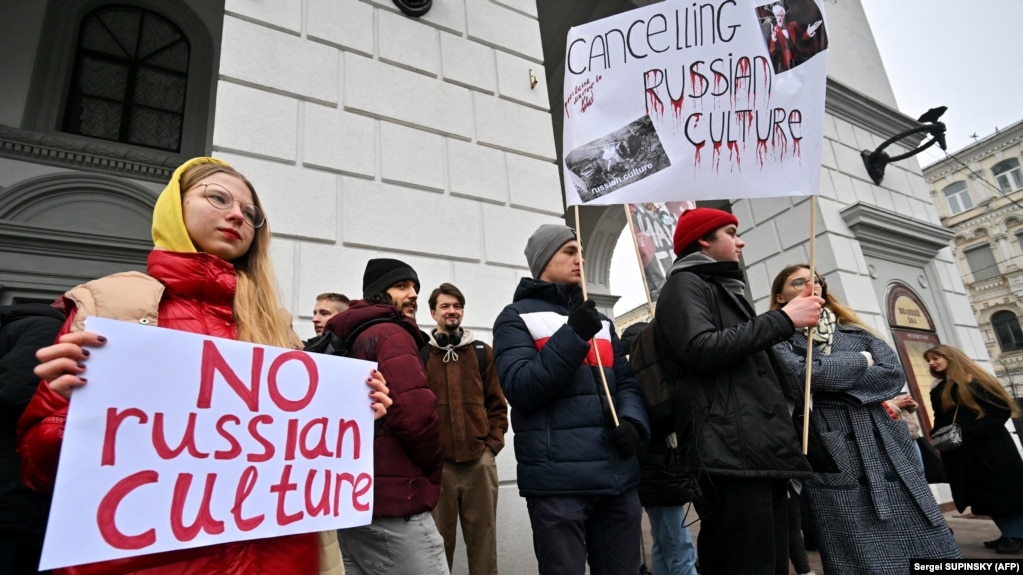
Students demanded de-imperialization amid war
In 2022, a group of students and graduates issued an open letter calling for the immediate removal of the composer’s name, describing Tchaikovsky is a symbol of Russian culture. They stressed that in the context of Russia’s full-scale invasion and atrocities committed under the guise of protecting Russian culture, any glorification of Russian figures was unacceptable.
“Defending our identity, independence, uniqueness, and self-sufficiency is critically important,” the letter said. “As we have all witnessed the inhuman brutality of the so-called 'Russian world,' which claims to defend culture, we feel revulsion toward everything Russian.”
The authors noted that while sources offer varying statements from Tchaikovsky about Ukraine, what matters now is that he is globally perceived as a Russian composer — one whom Russia openly claims as part of its so-called unique cultural legacy.
The letter warned that associating Ukraine’s leading art institution with a figure so tightly linked to the aggressor state created fertile ground for manipulation by Russian propaganda.
Soviet imposition and shifting national memory
Tchaikovsky’s name was given to the Kyiv Conservatory in 1940 under the Soviet regime, marking the centenary of his birth. Though Ukraine gained independence in 1991, the academy’s name remained unchanged for decades. The issue only gained serious traction following Russia’s full-scale assault in 2022, which launched a broad societal reckoning over the cultural and political legacies of empire.
Cultural commentators have emphasized the broader context of decolonization. If Ukraine removes statues of the Russian Empire's poet Alexandr Pushkin, renames streets dedicated to Tolstoi, and eliminates monuments to empress Catherine II, they ask, why should its most prestigious music school still honor a Russian composer?
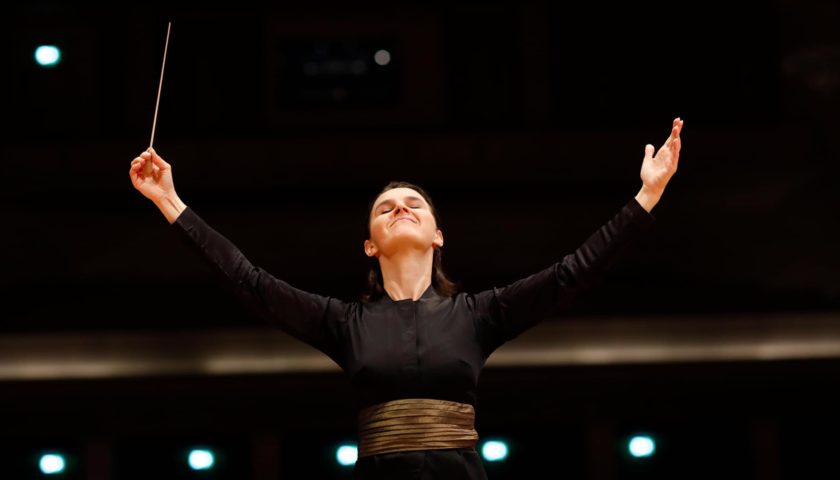
Conductor Oksana Lyniv: we should be proud that names of prominent Ukrainians are part of the history of world music culture
While some experts note Tchaikovsky’s partial Ukrainian heritage and time spent in Ukraine, including in Trostianets — where a house he frequented was hit by a Russian shell in April 2022 — they also point out that the composer never identified as Ukrainian. His Ukrainian-themed opera “Mazepa,” for example, was based on a Pushkin text with overtly imperialist themes, portraying the titular Ukrainian leader who opposed Russia as a traitor.
Cultural scholar Maksym Strikha noted that although Tchaikovsky was not overtly hostile to Ukraine, his self-identification was firmly Russian.
“Whether we like it or not, Tchaikovsky today is one of the symbols of Putin’s imperial Russia,” he said.
While he saw no issue with street names — Kyiv alone has thousands of them — Strikha considered it entirely inappropriate for Ukraine’s leading arts university to bear Tchaikovsky’s name when many Ukrainian composers are worthy of recognition.


