

A series of lawsuits filed in Texas accuse major US chipmakers of enabling Russian and Iranian missile and drone strikes that killed Ukrainian civilians between 2023 and 2025, according to Bloomberg. The cases name Intel, AMD, Texas Instruments, and Mouser Electronics, a distributor owned by Warren Buffett’s Berkshire Hathaway, as defendants.
US tech firms accused of aiding deadly missile strikes in Ukraine
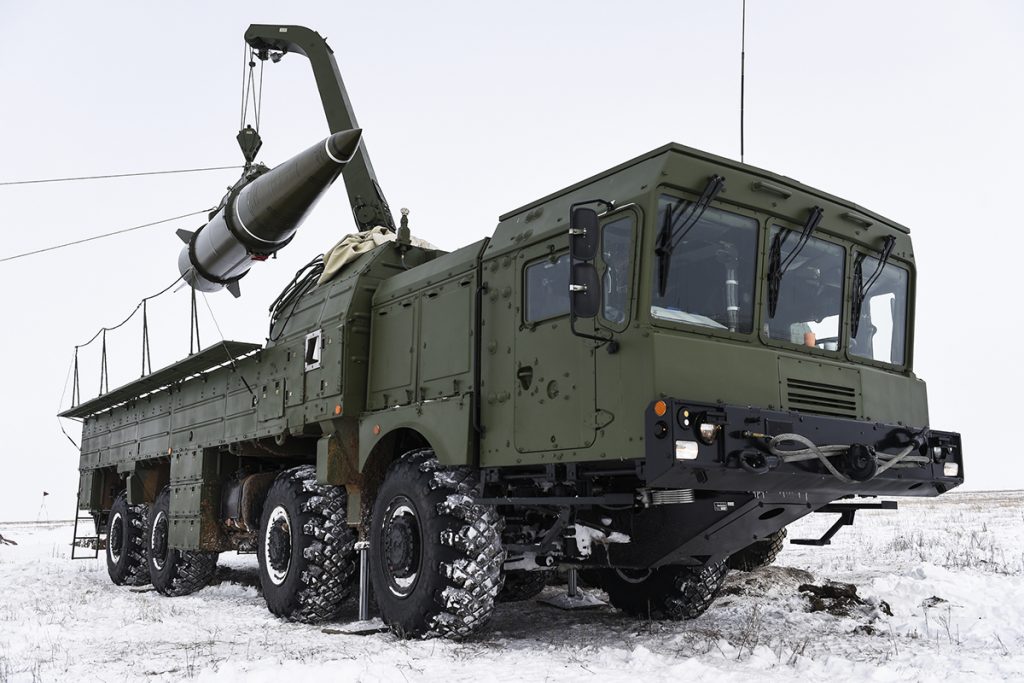
Bloomberg reports that several lawsuits filed on behalf of Ukrainian civilians allege that semiconductor manufacturers Intel Corp., Advanced Micro Devices Inc. (AMD), and Texas Instruments Inc. failed to prevent their products from being illegally diverted to Russia and Iran. According to the plaintiffs, those components were used in weapons deployed against civilians, including Iskander ballistic missiles, Kh-101 cruise missiles, and Iranian-made drones.
The suits were filed in the Circuit Court for the State of Texas in Dallas, and brought by US mass tort lawyer Mikal Watts and the law firm Baker & Hostetler, which has more than 1,000 lawyers across the US. One suit accuses the companies of “domestic corporate negligence” over their export control and diversion-prevention systems.
“These companies know their chip technology is making its way into Russia,” Watts said at a press conference in Washington, calling the US chip makers "merchants of death" and accusing them of making a “farce” of US sanctions law.
The lawsuits also name Mouser Electronics, a Texas-based chip distributor acquired by Berkshire Hathaway in 2007, accusing it of facilitating chip transfers to shell companies controlled by Russian proxies. One suit said Mouser’s logistics operations and decisions were a “substantial domestic component of the misconduct that foreseeably contributed to Plaintiffs’ injuries abroad.”
Companies say they follow sanctions
Intel denied wrongdoing in a statement, saying it “does not conduct business in Russia” and halted shipments to Russia and Belarus after the full-scale war began. The company said it operates “in strict accordance with export laws, sanctions and regulations” and holds suppliers, customers, and distributors to those standards.
Texas Instruments and AMD did not immediately respond to Bloomberg’s requests for comment. Both have previously said they ceased Russian operations and comply with all relevant laws.
Sanctions under scrutiny as chips keep showing up in Russian weapons
A 2024 Bloomberg investigation found that export controls and sanctions failed to prevent semiconductors from reaching Russian defense contractors. The chips served as the “brains” for drones, glide bombs, communication systems, and Iskander missiles.


