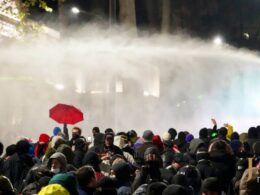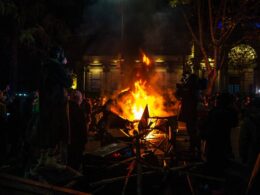

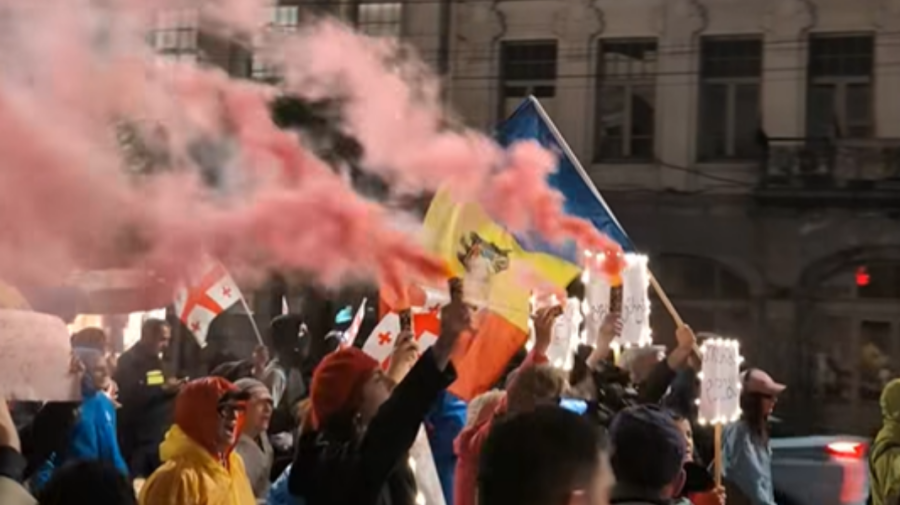
The new law targets specific protest behaviors. Demonstrators who cover their faces with masks, carry tear gas, block roads, or erect temporary structures during assemblies face administrative detention of up to 15 days. Organizers doing the same get up to 20 days.
What triggers the harshest penalties
Participating in a demonstration after the Interior Ministry orders it terminated brings 60 days' detention for a first offense. The same penalty applies to anyone carrying weapons, pyrotechnics, or objects intended to harm others at a gathering.
But the law's real teeth come with repeat violations. A second offense moves from administrative to criminal territory—up to one year in prison. A third violation doubles that to two years, with no alternative punishments like fines or community service available.
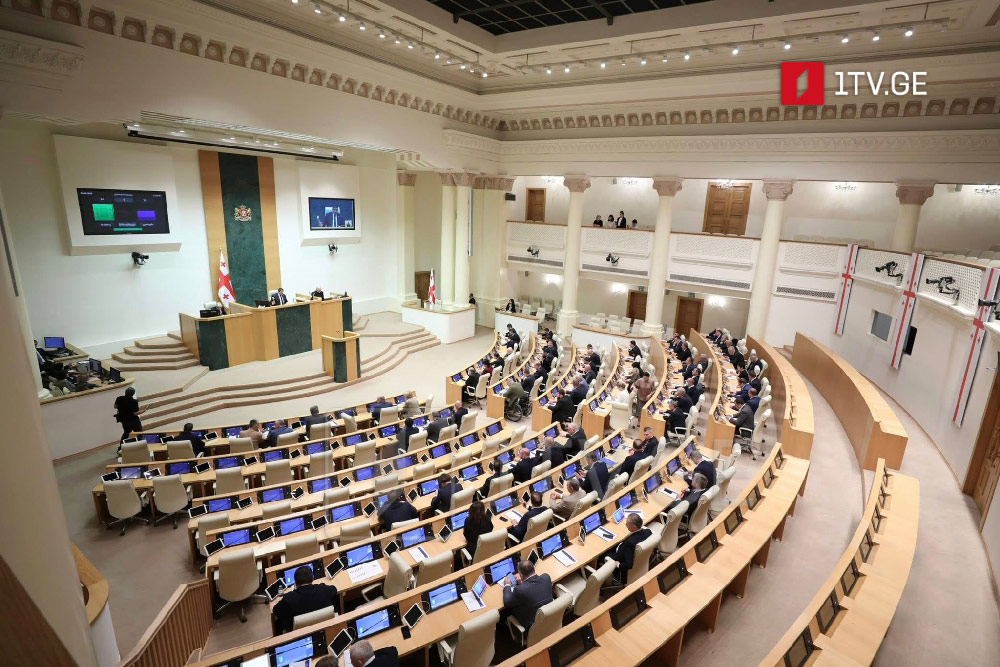
Insulting the police becomes a jailable offense
The amendments add a separate criminal provision targeting interactions with law enforcement. Anyone who insults a police officer for the third time or repeatedly disobeys lawful orders faces up to one year in prison. Repeat offenses under this provision carry up to two years.
The law grants authorities broad powers to detain protesters for acts as simple as wearing a mask or standing in a road. Criminal penalties for repeat violations create a permanent legal record that can affect employment, travel, and civil rights.
Georgia has seen recurring mass protests over the past decade, from 2013's anti-corruption demonstrations to 2023's rallies against a Russian-style "foreign agents" law.
The law arrives as crackdown intensifies
The amendments come as Georgia's government escalates its response to mass protests. On 4 October, 20,000 Georgians attempted to storm the presidential palace after contested elections secured the ruling Georgian Dream party's position despite opposition claims of fraud.
Three days later, authorities charged five opposition leaders with attempting a coup d'état—crimes carrying up to nine years in prison. Among them: 70-year-old opera star Paata Burchuladze, arrested in a hospital intensive care unit where he was recovering from a heart attack.
Prime Minister Irakli Kobakhidze made the government's position clear: "No one will go unpunished."
Georgia has now seen over 300 consecutive days of daily protests, making it Europe's longest continuous demonstration. The new criminal penalties give authorities the legal framework to jail participants systematically—turning Kobakhidze's warning into policy.