

The UK has revealed that Russian submarines recently conducted covert operations over undersea cables and pipelines north of Britain, the BBC reports.
The incident is part of a broader pattern of Russian hybrid warfare, according to BBC analysis, aimed at testing Western readiness without launching a direct attack. Such operations could provide Moscow an advantage in the event of a future conflict.
UK Defence Secretary John Healey said a British warship and aircraft were deployed to track the underwater activity, but there is no evidence of damage to UK infrastructure.
According to the BBC, undersea cables carry more than 90% of the UK’s daily internet traffic, while pipelines supply critical energy from the North Sea and Norway.
The UK government stressed that any attempt to damage these networks would have serious consequences. Healey directly addressed Russian President Vladimir Putin, warning that such acts “will not be tolerated.”
The submarines behind the operation
The Russian operation involved an Akula-class submarine used as a diversion and two of Russia’s Main Directorate for Deep Sea Research (GUGI) spy submarines, a secretive navy unit specialised in underwater surveillance, sabotage, and reconnaissance.
GUGI is capable of operating deep-diving mini-submarines, which can be launched from larger vessels at night and are feared to be able to cut or monitor cables. According to BBC reporting, GUGI reports directly to Russia’s defence minister and president, with bases on the Baltic and the Arctic’s Kola Peninsula.
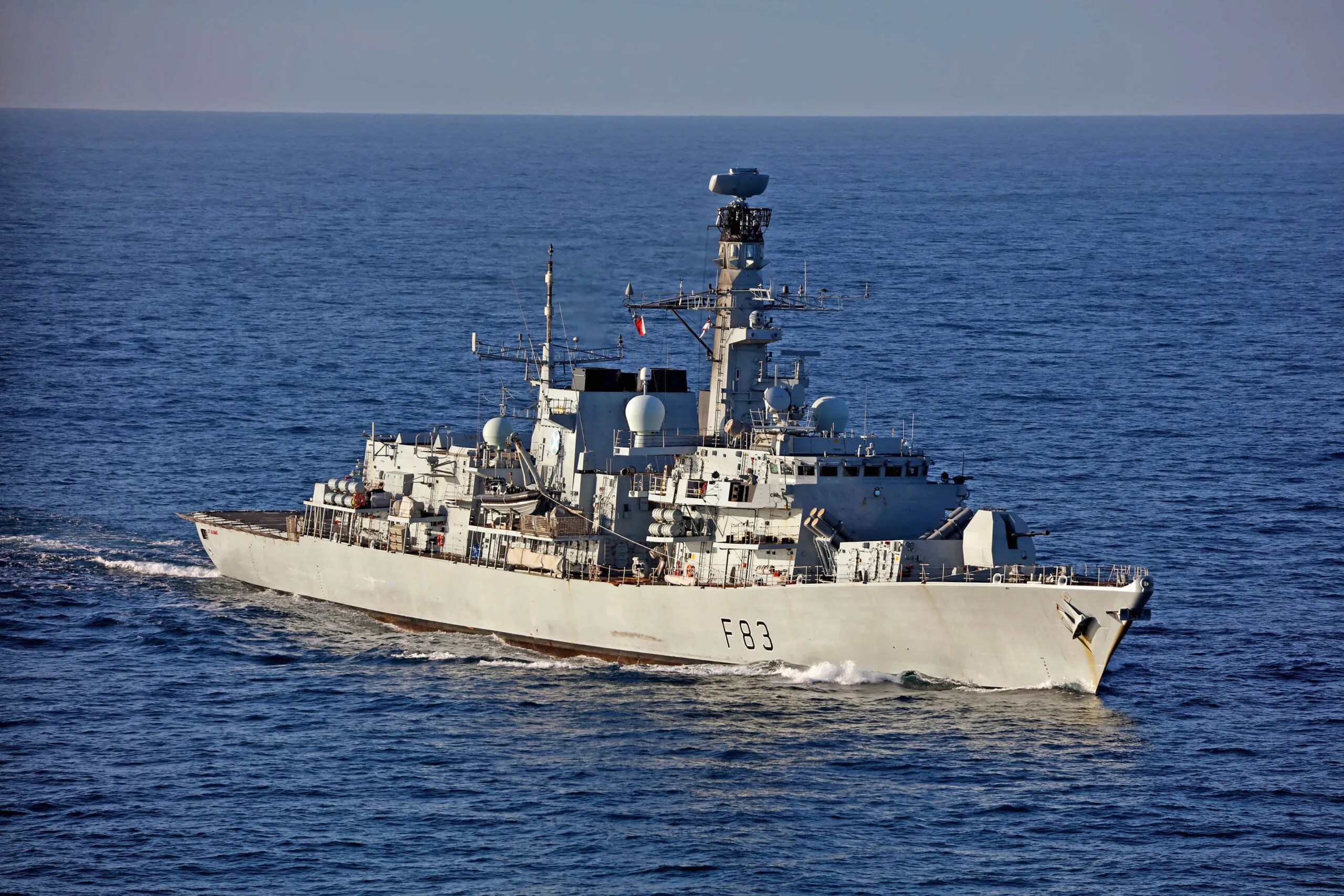
The UK's Royal Navy responded by deploying the frigate HMS St Albans, the fuel tanker RFA Tidespring, and anti-submarine helicopters. Sonar buoys were dropped to signal monitoring.
What the submarines were really after
Healey said the UK had left Russia “in no doubt” that its movements were tracked, and that the attempted operation had been exposed. Norway also contributed to surveillance, according to Healey.
Experts note that while the submarines were monitored, they may still have gathered information on the UK’s undersea infrastructure. Dr Sidharth Kaushal of the Royal United Services Institute told BBC Verify that the vessels are “complex targets” designed to avoid detection, but tracking them could yield intelligence on Russian tactics and equipment.
The infrastructure at stake
Underwater pipelines, particularly the 1,166 km Langeled pipeline from Norway, are also a focus. Around 77% of the UK’s gas imports pass through the North Sea, making the pipelines a critical part of national energy security.
Prime Minister Sir Keir Starmer and Conservative opposition figures stressed the importance of protecting the UK’s critical infrastructure and highlighted the need for investment in defence.
Healey said Russia remains a “primary threat” to UK security, but expressed confidence in the UK’s ability to monitor and expose future operations.


