

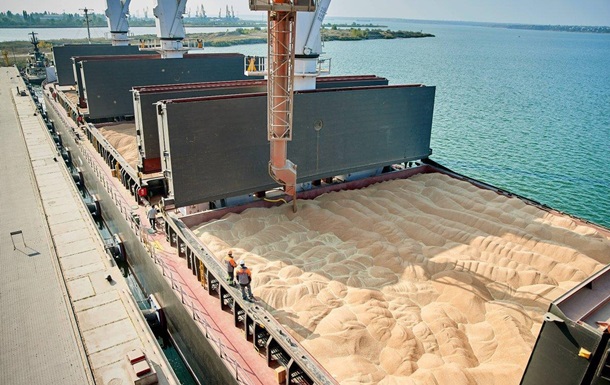
The same week China opened its market to Ukrainian wheat flour, Beijing introduced rules that blocked 39 of 66 Kazakh feed flour producers from exporting, after a new requirement barred the use of Russian grain in their product. Finished goods sat in loaded railcars with nowhere to go.
On 7 April, Ma Shengkun, China’s ambassador to Ukraine, signed a protocol on inspection, sanitary, and phytosanitary requirements for Ukrainian wheat flour with Ukraine’s food safety chief Serhii Tkachuk—the result of at least three years of negotiations.
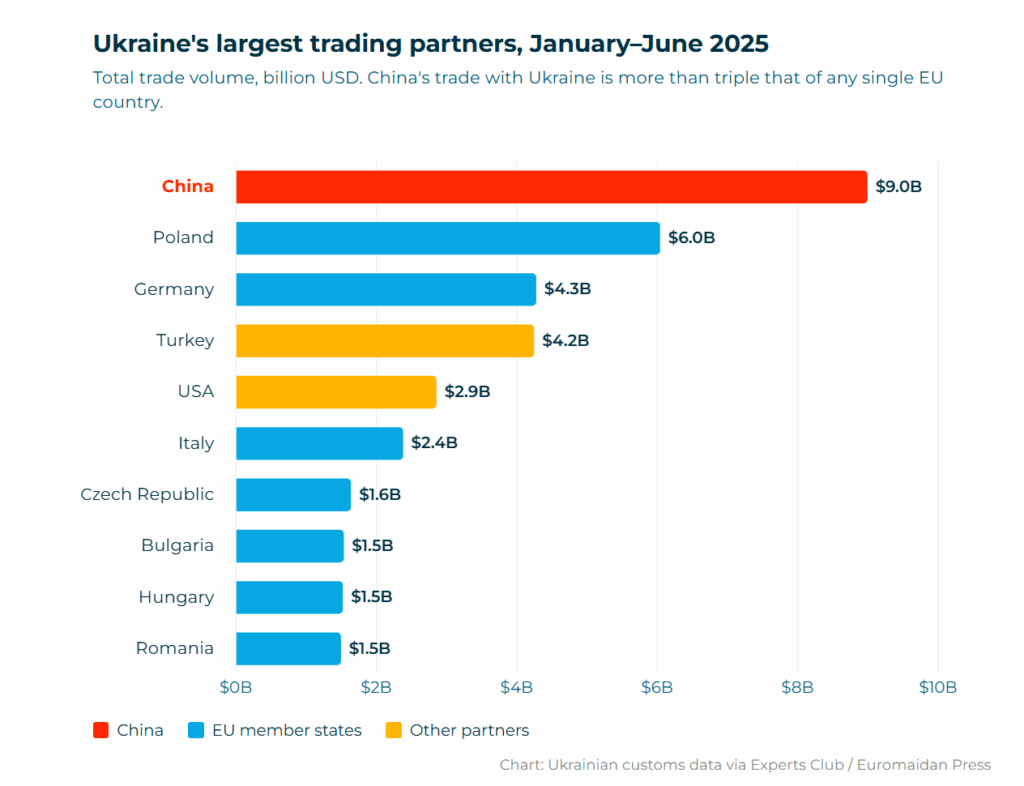
Ukraine’s Deputy Economy Minister Iryna Ovcharenko, also present at the signing, described China as Ukraine’s largest trading partner and said the protocol would create a new growth point for bilateral agricultural trade.
What changed in Kazakhstan
Kazakhstan’s feed flour sector had expanded rapidly over the past two years. Cheap Russian wheat, available in abundance after the 2024 harvest, was blended with domestic Kazakh grain and shipped to China, where feed flour faced lower tariffs than food-grade flour.
Beijing required that all Kazakh feed flour entering China be made exclusively from domestic grain.
In late March 2026, China introduced a unified certification code for feed flour. Beijing required that all Kazakh feed flour entering China be made exclusively from domestic grain. Russian wheat was out. The rule applies to contracts already signed. Storage costs and penalties mounted, with no timeline from Beijing on when approvals might resume.
Reading the signal—carefully
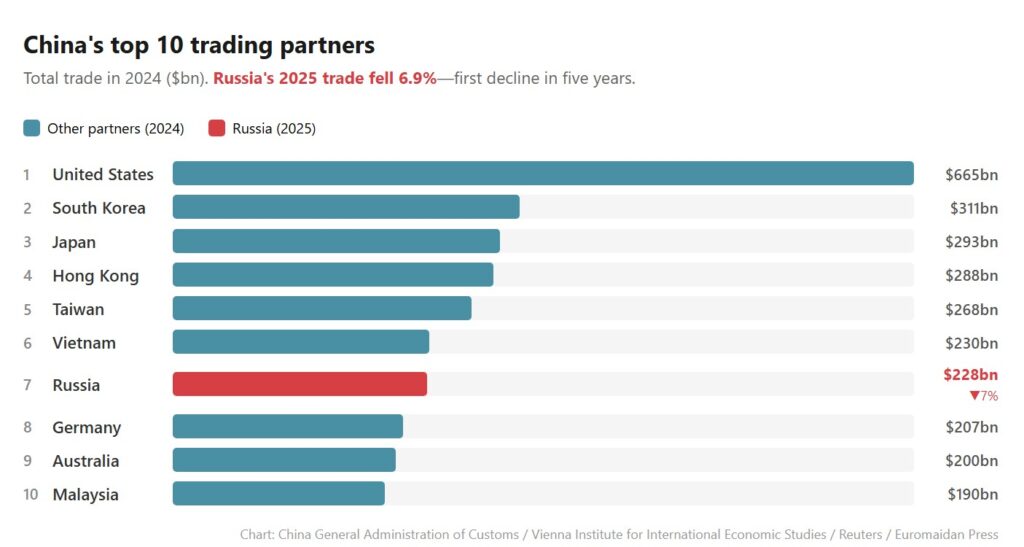
Ambassador Ma praised China-Ukraine agricultural cooperation at the signing, calling the deal an enrichment of their “strategic partnership.” Beijing uses nearly identical language for its relationship with Moscow. China has not sanctioned Russia, altered its energy purchases, or condemned the invasion.
Kazakhstan’s feed flour reached China duty-free, which drove the sector’s growth.
Analysts at UkrAgroConsult warn that China’s new Kazakh rules may be less about Russia than about Beijing consolidating control over the sector—pushing Kazakhstan from a value-added processor toward a raw grain supplier, potentially through Chinese-controlled joint ventures.
One question the protocol leaves open is tariffs. Kazakhstan’s feed flour reached China duty-free, which drove the sector’s growth. Ukrainian food-grade wheat flour enters a different—and higher—tariff category. Whether Monday’s deal includes preferential tariff arrangements or clears only the sanitary barriers while commercial ones remain has not been disclosed by either side.
Trending Now
A pattern taking shape
China remained Ukraine’s largest trading partner in 2025, with bilateral trade reaching $21.04 billion—Ukrainian exports to China totaled $1.82 billion. China takes around 10% of Ukraine’s total grain exports.
Tkachuk called the shift a “qualitative transformation”—a move away from raw commodity exports toward finished goods.
Flour, unlike raw wheat, carries higher margins—more value stays in Ukraine before the cargo leaves port. Tkachuk called the shift a “qualitative transformation”—a move away from raw commodity exports toward finished goods.
Days earlier, Egypt—previously Russia’s largest stolen-grain customer—pledged to stop buying grain from Russian-occupied Ukrainian territories and increase direct Ukrainian imports.


