

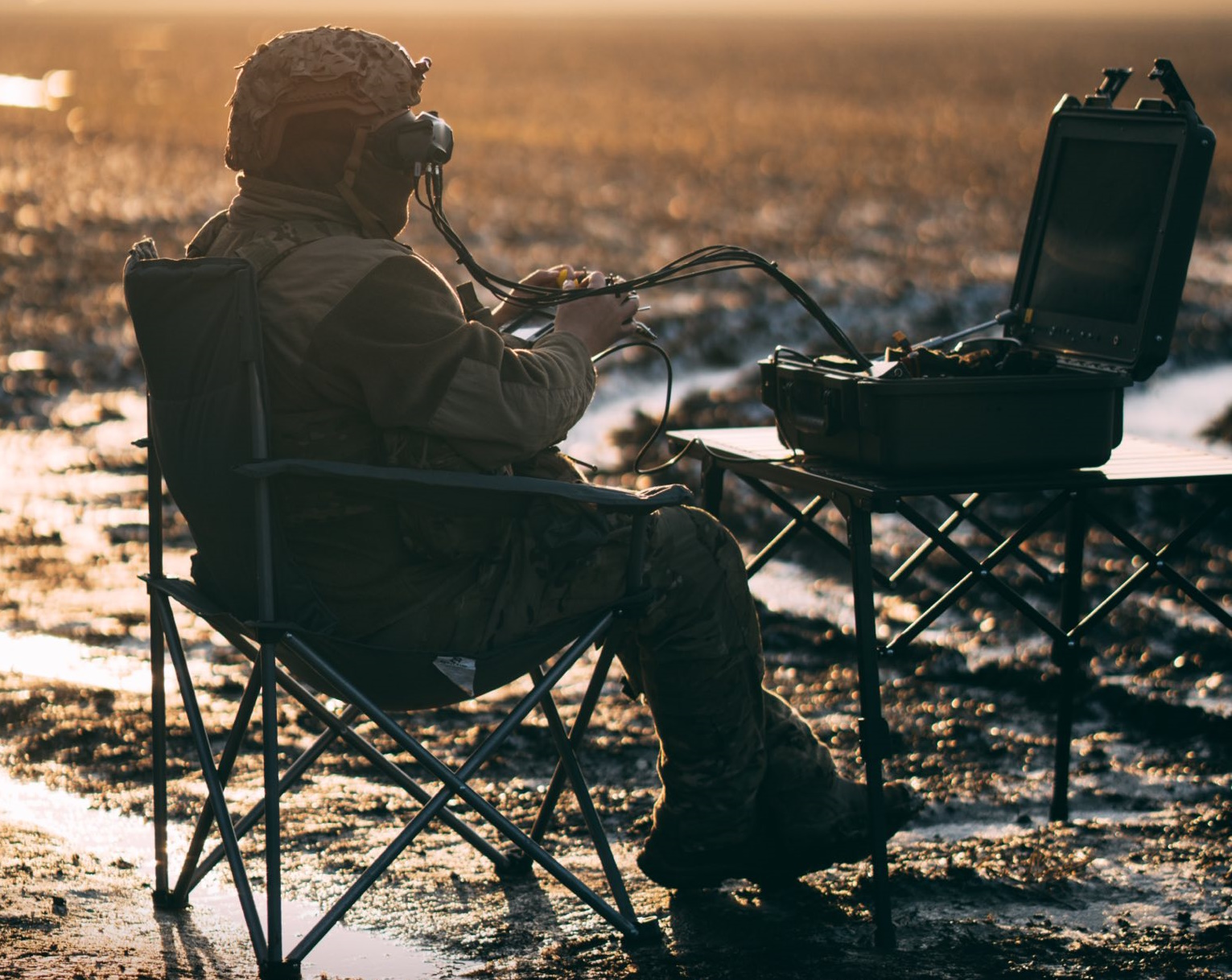
Ukraine is implementing innovations at a speed unmatched anywhere in the world. In the principles of weapons procurement, Kyiv has also broken old doctrines: decisions are made by the person closest to the most up-to-date information, rather than by committees, Defense One reports.
Western armies have the luxury of studying how modern warfare works before pressure reaches them.
Ukraine is outpacing all of NATO
The Pentagon is in talks to purchase Ukrainian interceptor drones, having concluded that no American manufacturer can match their price, delivery timelines, and battlefield-proven reliability.
A drone developed by the British company Skycutter, together with Ukraine’s SkyFall, recently received a 99.3 out of 100 score in the Pentagon’s Drone Dominance evaluation, outperforming every American competitor by more than ten points.
Last year, they produced approximately four million drones, significantly exceeding the combined production of all NATO members; in 2026, they aim to reach seven million.
System that operates faster than any army in world
Ukraine has managed to build a distributed observe–orient–decide–act architecture at an industrial scale, where feedback between battlefield observation and production actions operates faster than any comparable system in history.
Brave1 as revolution in military procurement: frontline chooses weapons
Observation nodes belong to the point of use, not the top of the reporting chain. In Western defense procurement, the distance between battlefield observation and engineering changes is measured in years. After-action reports move through chains of command, requirements committees develop specifications, and engineering change proposals enter configuration management queues.
Ukraine’s three-year-old Brave1 platform has created a national marketplace where frontline units order drones directly from certified manufacturers. The platform has already processed over $235 million in orders, while real-time dashboards continuously provide manufacturers with verified data on hits, strike distances, and failure modes.
A new formula of war: who is winning now?
Ukrainian military units independently choose which manufacturers to order from, switching suppliers based on what works under fire, rather than waiting for committee approval.
The soldier is the procurement officer. There are no requirement documents, no multi-year contracting cycles, and no bureaucratic intermediary between battlefield judgment and resource allocation.
In modern warfare, where drone technologies constantly evolve, the speed of adaptation determines effectiveness.


